
Planting
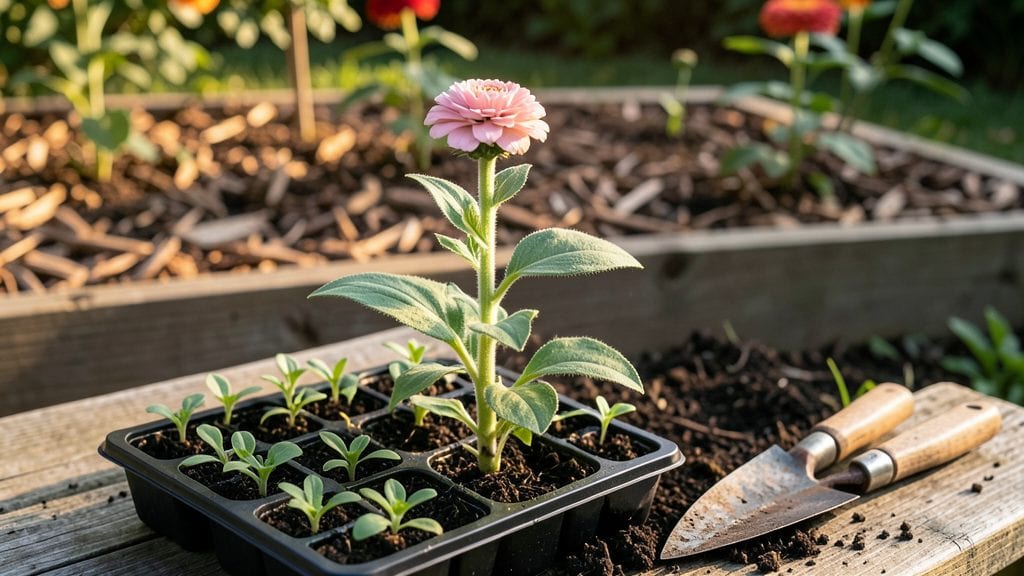
Here are the best zinnia planting tips to get those bright, bold blooms popping up in just 7 days—all it takes is the right timing, soil, and sunlight. 🌻 Most people skip the prep work, and that’s why their zinnias flop or fade fast.
Start with well-draining soil mixed with compost, and plant seeds ¼ inch deep in full sun. Space them 6-12 inches apart—crowding leads to leggy stems and fewer blooms. Water gently after planting, keeping the soil moist but never soggy. Within a week, those first green shoots will surprise you.
📚 In This Guide
- What you need
- Instructions
- Tips and common mistakes
- Wrapping up and next steps
What you need
- ● Zinnia seeds: Choose heirloom or hybrid varieties (e.g., 'Benary’s Giant,' 'Profusion'). Start with 10–20 seeds for a small garden or 50+ seeds for a full border.
- ● Seed-starting soil: A 10–15 lb bag of sterile, well-draining potting mix (e.g., Pro-Mix or Miracle-Gro Seed Starting Potting Mix).
- ● Containers or seed trays: For indoors: 4–6 inch pots or cell trays (50–100 cells).
- ● For direct sowing: Well-prepared garden beds or biodegradable seedling pots (if transplanting later).
- ● Watering can or spray bottle: A 1-gallon can with a fine mist nozzle (or a spray bottle for precision).
- ● Gloves: Lightweight gardening gloves to protect your hands.
- ● Trowel: A small hand trowel (2–3 inches wide) for planting.
- ● Plant labels: 10–20 labels (or a permanent marker for DIY labels).
- ○ Grow lights (optional): A LED clip-on light or full-spectrum bulb if starting indoors before last frost.
- ○ Fertilizer (optional): Starter fertilizer: Water-soluble 5-10-5 or fish emulsion (1 tbsp per gallon of water).
- ● Slow-release granules: 1 lb of 10-10-10 or organic bloom booster for transplanting.
- ● Sunlight: 6+ hours of direct sun daily (zinnias are sun-worshippers!).
- ● Temperature: Ideal soil temp: 70–75°F (seeds sprout best in warmth).
- ● Spacing: Direct sowing: 12–18 inches apart (check seed packet for variety-specific needs).
- ● Container growing: 1 plant per 6–8 inch pot (or cluster 3–4 seeds in a 12-inch pot).
- ● Watering schedule: Keep soil consistently moist (not soggy) until germination (~7–10 days).
Step-by-Step instructions for planting zinnias
Here's how to get vibrant zinnias blooming in just a week—my foolproof method for fast, colorful results.
🌱 Step 1: Choose the Right Location and Prepare the Soil
Zinnias thrive in full sun, so pick a spot that gets at least 6-8 hours of direct sunlight daily. I always test the area first by placing a plant in the morning—if it's shaded by trees or buildings for more than 2 hours, move to a sunnier location. The soil should drain well, so avoid low spots where water pools after rain.
Loosen the top 6 inches of soil with a garden fork or tiller to break up compaction. Mix in 2 inches of compost to enrich the soil naturally. Zinnias aren’t picky about soil type, but they’ll reward you with bigger blooms if the soil is loose and fertile. Tap the ground gently after amending—it should feel crumbly, not hard.
💧 Step 2: Plant Seeds at the Right Depth and Spacing
Sow seeds ¼ inch deep—any deeper, and they’ll struggle to push through the soil. Space them 12-18 inches apart in rows 18-24 inches apart for proper airflow. I like to plant in small groups of 3-4 seeds every 6 inches to create clusters, which makes thinning easier later.
Water the soil lightly before planting to help seeds settle. I use my finger to make tiny holes, drop in 2-3 seeds per spot (zinnias germinate unevenly), and cover with a thin layer of soil. Press gently but don’t compact—you want the soil to feel like a damp sponge, not mud. Label your rows if you’re planting multiple varieties to avoid confusion later.
☀️ Step 3: Keep Soil Moist and Protect New Sprouts
Water gently every 2-3 days until seedlings emerge, keeping the soil consistently moist but not soggy. Use a spray bottle or a gentle stream to avoid dislodging seeds. You’ll see tiny green sprouts in 5-7 days—that’s your signal to reduce watering slightly but keep the soil damp.
Once seedlings appear, thin them to the strongest plant per spot, leaving 12-18 inches between remaining plants. I snip the extras with scissors at soil level to avoid disturbing roots. Mulch around the base with 1 inch of straw or shredded leaves to retain moisture and suppress weeds. Watch for leggy seedlings (long, thin stems)—this means they need more light or less water.
✂️ Step 4: Deadhead and Maintain for Continuous Blooms
When zinnias produce spent blooms, pinch them off just above a set of leaves with your fingers or small pruners. This encourages new flowers to form and keeps the plant bushy. I deadhead every 2-3 days during peak bloom time to keep the plant producing. Avoid cutting into the stem—just squeeze gently at the base of the flower head.
Fertilize lightly with a balanced 10-10-10 fertilizer every 4-6 weeks to support steady growth. Zinnias are drought-tolerant once established, but they’ll reward you with bigger blooms if you water deeply 1 inch per week. Watch for powdery mildew on humid days—space plants properly and avoid overhead watering to prevent this common issue.
🌿 Step 5: Extend the Season with Simple Care
To keep zinnias blooming until frost, cut back stems by ⅓ their height in early fall. This stimulates a second flush of flowers. I always harvest blooms in the morning for the longest vase life—just snip stems at a 45-degree angle and place them in water immediately.
If you’re in a warm climate, zinnias can self-seed and return the next year. Let some flowers go to seed if you want a free crop next season. In cooler areas, save seeds from the healthiest plants by letting a few flowers mature fully on the stem. Store seeds in a dry, cool place until planting time.
Tips & tricks for perfect zinnia planting
Here's what nobody tells you about getting those bold zinnias to bloom faster and last longer.
Sunlight Secret: In Step 1, when you're testing your spot for 6-8 hours of sun, check the shade patterns throughout the day—not just at noon. Morning sun is especially important for zinnias, as it helps prevent powdery mildew. If your spot only gets 4-5 hours of direct sun, consider growing zinnias in containers where you can move them to sunnier locations as needed.
Planting Precision: For Step 2, I've found that using a pencil to make the planting holes for seeds works better than my finger—it creates more consistent depth. After planting, gently press the soil around each seed to ensure good seed-to-soil contact, which helps with germination. And here's a pro move: if you're planting multiple varieties, use different colored toothpicks as labels instead of writing on them—it's more visible and won't fade.
Watering Wisdom: In Step 3, when you're watering every 2-3 days, aim for the soil rather than the leaves to prevent fungal diseases. I use a soaker hose set on a timer for 10 minutes in the morning—it waters deeply without wetting the foliage. After seedlings emerge, water only at the base of plants to keep leaves dry, which helps prevent powdery mildew mentioned in Step 4.
Deadheading Technique: For Step 4, when deadheading every 2-3 days, I like to do it in the late afternoon when the flowers are fully open. This gives you the most blooms to enjoy indoors. Use your thumb and forefinger to pinch off spent blooms just above a set of leaves—this creates a cleaner cut than pruners and encourages bushier growth. The key is consistency: regular deadheading keeps your zinnias producing flowers for weeks longer than if you let them go to seed.
Pro Tips for Zinnia Planting Tips
- Here's what nobody tells you about getting those bold zinnias to bloom faster and last longer.
- Sunlight Secret: In Step 1, when you're testing your spot for 6-8 hours of sun, check the shade patterns throughout the day—not just at noon.
- Planting Precision: For Step 2, I've found that using a pencil to make the planting holes for seeds works better than my finger—it creates more consistent depth.
Frequently asked questions
Got questions about growing zinnias? You’re not alone—these vibrant blooms are easy but sometimes tricky! Here are answers to the most common queries to help you cultivate show-stopping zinnias with confidence.
When is the best time to plant zinnias?
Zinnias thrive in warm soil—wait until after the last frost when nighttime temps stay above 50°F (10°C). For a continuous bloom, stagger plantings every 2–3 weeks until early summer. Pro tip: If you’re in a short-season zone, start seeds indoors 4–6 weeks before the last frost for an early show!
How long does it take for zinnias to grow from seed?
Zinnias are fast growers! From seed to bloom, expect 60–70 days for most varieties (like ‘Benary’s Giant’). Dwarf types (e.g., ‘Thumbelina’) may flower in just 45–50 days. Speed hack: Keep soil consistently moist and place seeds in a sunny spot to cut germination time to 5–10 days.
Why aren’t my zinnias blooming, and how can I fix it?
Lack of blooms usually means too much foliage or poor care. Prune leggy stems to encourage branching, and deadhead spent blooms regularly. Check for pests like Japanese beetles or aphids—spray with neem oil if needed. Light fix: Ensure they get 6+ hours of sun daily and fertilize lightly with a balanced 10-10-10 mix every 4–6 weeks.
Can zinnias grow in containers, and what’s the best pot size?
Zinnias adapt well to containers. Use pots at least 12 inches wide and deep for 1–2 plants, or larger for dwarf varieties. Ensure drainage holes are present and use a lightweight potting mix. Container pro tip: Place pots in full sun and water consistently—they dry out faster in small spaces!
How often should I water zinnias?
Zinnias are drought-tolerant once established, but young plants need 1 inch of water per week. Water at the base (avoid wetting leaves) to prevent fungal diseases like powdery mildew. Let soil dry slightly between waterings—overwatering is a common killer! Heat hack: Water early in the morning to reduce evaporation.
What are the most beginner-friendly zinnia varieties?
Start with these foolproof picks:
Bonus: All thrive in full sun and poor soil—perfect for beginners!
Wrapping up and next steps
You’re now ready to grow stunning zinnias with confidence! 🌸 By following these planting tips—from soil prep to sunlight and watering—you’ll enjoy vibrant blooms in just seven days. Remember, patience and care are key, but the rewards are worth it.
Now that you’re armed with knowledge, grab your seeds or seedlings and get planting! Share your progress with fellow gardeners or experiment with different colors. Happy growing—your garden (and pollinators!) will thank you.