
Pruning
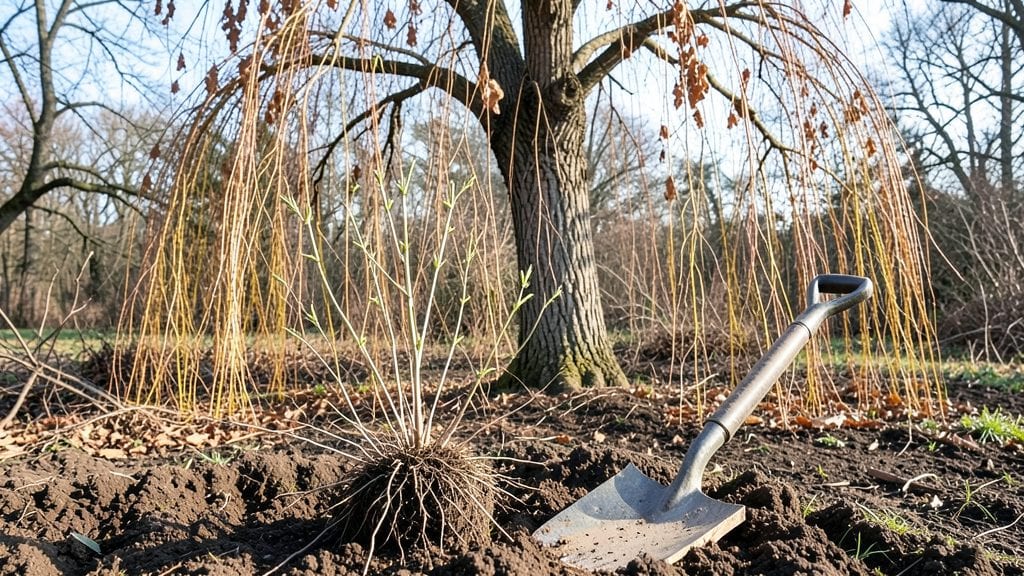
Planting willow trees with their layered root system gives you fast, dramatic growth that transforms bare spots into lush green backdrops in just a few seasons. I remember my first willow—it shot up 6 feet in its first year, and the neighbors kept asking how I did it.
The secret isn’t magic; it’s matching the right soil, spacing, and watering to how willows naturally spread.
The best part? Willows thrive in zones 3 through 9, making them one of the most adaptable trees for nearly any climate. You’ll need a spot with plenty of sunlight and room to spread—willows can grow 20 feet wide if left unpruned.
For containers, dwarf varieties like Salix caprea work well, though they’ll still need deep pots and regular watering. The roots love moisture but hate soggy soil, so well-draining earth is key.
By the end of the first growing season, you’ll see strong, arching branches and a network of roots that stabilize the soil better than any other tree. The foliage turns golden in fall, and the bark develops striking textures over time.
With the right care, your willow will become a focal point that grows faster than almost anything else in your yard.
Whether you’re planting along a pond, as a privacy screen, or just for beauty, willows deliver fast results without the fuss of slow-growing trees. Here’s exactly how to get started—no green thumb required.
📚 In This Guide
- What you need
- Instructions
- Tips and common mistakes
- Wrapping up and next steps
What you need
- ● Willow tree saplings: 1-3 (choose Salix varieties like Salix babylonica or Salix fragilis for fast growth).
- ● Shovel or trowel: 1 (for digging holes—opt for a spade for larger roots).
- ● Compost or well-aged manure: 5-10 gallons (to enrich soil with nutrients).
- ● Mulch (straw, wood chips, or pine needles): 2-3 cubic feet (to retain moisture and suppress weeds).
- ● Watering can or hose with nozzle: 1 (for gentle, deep watering).
- ● Garden gloves: 1 pair (to protect your hands from soil and thorns).
- ○ Stakes & twine (optional but recommended): 2-3 stakes (for young trees in windy areas).
- ● Tree fertilizer (balanced 10-10-10 or slow-release granules).
- ● Root stimulator gel (to encourage faster root establishment).
- ● Soil pH tester (willows prefer slightly acidic to neutral soil, pH 6.0-7.5).
- ● Drip irrigation kit (for automated watering in dry climates).
- ● Pruning shears (for shaping after planting).
Instructions for planting willow trees with a layered root system
Here's how to establish willows quickly using their natural rooting ability—no complicated tools needed.
Prepare the Planting Site for Willow Roots
Willows thrive in moist, well-drained soil with plenty of space to spread. Choose a location near a water source or where natural flooding occurs, as their roots will seek out moisture. Clear the area of weeds and debris, then loosen the top 12 inches of soil with a shovel or tiller. Avoid compacting the soil—willows need loose earth to develop their extensive root system.
If your soil is heavy clay or sand, amend it with 2-3 inches of compost mixed into the top layer. This improves moisture retention and nutrient availability. Test the soil pH—willows prefer slightly acidic to neutral soil, around 6.0 to 7.5. If your soil is too alkaline, add sulfur or peat moss to adjust it before planting.
Plant Willow Cuttings or Bare-Root Saplings
For fastest results, use 4-foot-long willow cuttings taken from healthy, disease-free branches. Remove the lower 2 inches of leaves and dip the cut end in rooting hormone to encourage root growth. Plant the cuttings at a 45-degree angle, burying about one-third of the stem underground. Space them 3-4 feet apart to allow room for their sprawling roots.
If using bare-root saplings, dig a hole twice as wide as the root ball but only as deep as the container it came in. Place the sapling in the hole, ensuring the top of the root ball sits 1-2 inches above ground level. This prevents soil from smothering the stem as it settles. Backfill with the amended soil, pressing gently to remove air pockets but not compacting too tightly.
Water Deeply to Encourage Root Spread
Water the newly planted willows deeply right after planting, soaking the soil to a depth of 12-18 inches. This encourages roots to grow downward and outward quickly. Use a garden hose with a slow, gentle stream to avoid displacing the soil around the roots. After the initial watering, keep the soil consistently moist but not soggy—willows hate waterlogged roots, even though they love moisture.
For the first 2-3 weeks, check the soil moisture daily. You’ll know it’s time to water again when the top 2 inches of soil feel dry to the touch. Mulch around the base with 2-3 inches of organic mulch (like wood chips or straw) to retain moisture and suppress weeds. Keep the mulch 6 inches away from the stem to prevent rot.
Prune and Train for a Strong Structure
Willows grow fast, but their branches can become top-heavy without support. After planting, trim any damaged or crossing branches with clean, sharp pruners. Leave 3-4 strong stems on each plant to encourage a sturdy structure. Prune back any suckers or shoots growing below the graft (if planting grafted varieties) to direct energy upward.
If planting multiple willows, weave the branches together lightly as they grow to create a natural lattice. This helps stabilize the tree and encourages a thicker trunk over time. Avoid heavy pruning in the first year—let the willow focus on root and stem development. You’ll see the most dramatic growth in the first 2-3 years, so give it time to establish.
Monitor and Adjust for Fast, Healthy Growth
Willows are resilient but benefit from occasional checks. After the first growing season, fertilize lightly in early spring with a balanced, slow-release fertilizer (like 10-10-10) to support root and shoot growth. Avoid over-fertilizing—willows grow quickly but don’t need heavy feeding. Too much nitrogen can lead to weak wood and fewer roots.
Watch for signs of stress, like yellowing leaves or stunted growth. These often indicate poor drainage, pests, or disease. If leaves yellow, it might be iron deficiency—willows in alkaline soil often need chelated iron supplements. If pests appear, treat with horticultural oil or insecticidal soap early to prevent spread. With proper care, your willows will establish a dense, layered root system within the first year, setting them up for decades of growth.
Tips & tricks for fast, stable willow tree growth
Planting willows isn't rocket science, but these little-known tricks will help you establish a strong, sprawling root system faster than you'd expect.
Soil Prep is Everything: When loosening the top 12 inches of soil in Step 1, don't just scratch the surface—aim to create a fluffy, aerated zone. Use a broadfork or digging fork to break up compacted layers without turning the soil. This mimics the natural rooting environment willows crave. The goal is to create pathways for roots to spread horizontally while also penetrating downward—think of it like creating a sponge where water can move freely.
Timing Your Watering: In Step 3, that deep watering right after planting isn't just about initial hydration—it's about signaling to the roots where to grow. Water slowly to avoid displacing soil around the roots, and let it soak for at least 30 minutes. For the first 2-3 weeks, water in the morning so the soil has time to dry slightly during the day. This daily moisture check prevents waterlogged roots while keeping the soil consistently damp, which is crucial for willow root development.
Pruning for Speed: The pruning in Step 4 isn't just about aesthetics—it's about directing energy where you want it. When you leave 3-4 strong stems, you're creating a framework that forces the tree to put energy into thickening those stems rather than producing weak shoots. This structural approach means you'll see faster vertical growth in the first 2-3 years, which translates to quicker establishment of that layered root system you're after.
Fertilizer Strategy: That light spring fertilization with 10-10-10 in Step 5 is your secret weapon for fast growth. But here's the kicker: willows actually grow faster with less fertilizer than most trees. Too much nitrogen creates lush foliage at the expense of root development. Instead, focus on the phosphorus (the middle number) which promotes root growth. Apply it in early spring when the soil is still cool—this prevents nutrient burn and gives roots time to establish before the growing season really kicks in.
Pro Tips for Willow Tree Planting
- Planting willows isn't rocket science, but these little-known tricks will help you establish a strong, sprawling root system faster than you'd expect.
- Soil Prep is Everything: When loosening the top 12 inches of soil in Step 1, don't just scratch the surface—aim to create a fluffy, aerated zone.
- Timing Your Watering: In Step 3, that deep watering right after planting isn't just about initial hydration—it's about signaling to the roots where to grow.
Frequently asked questions
Got questions about willow tree planting? You’re not alone—this fast-growing beauty has a few quirks! Here are answers to the most common ones to help you plant with confidence.
When is the best time to plant a willow tree?
The ideal window is early spring (just as buds swell) or fall (4–6 weeks before frost). Willow roots establish quickly in moist soil, so avoid planting in extreme heat or drought. If you’re in a mild climate, late winter works too—just ensure the ground isn’t frozen!
How much water does a willow tree need after planting?
Willows are thirsty! Water deeply 2–3 times per week for the first month, then taper to weekly deep soakings. Mulch around the base (but keep it 3–4 inches away from the trunk) to retain moisture. Overwatering can cause root rot, so ensure the soil drains well.
Can I plant a willow tree in a small yard or container?
Willows thrive in space—they spread aggressively via roots and suckers! For small yards, choose a dwarf variety (like Salix caprea ‘Pendula’) or plant in a large container (minimum 20 gallons) with drainage. Prune roots regularly if growing near structures or sidewalks.
Why isn’t my willow tree growing after planting?
Slow growth often stems from poor drainage, compacted soil, or root damage during transplanting. Check for:
- Yellowing leaves = overwatering or poor drainage.
- Wilted foliage = underwatering or heat stress.
- No new growth = root bind or nutrient deficiency.
How do I control willow tree spreading in my landscape?
Willows spread via suckers and roots, so containment is key! Dig a root barrier (18–24 inches deep) around the planting area, or use landscape fabric buried vertically. Prune suckers at ground level in early spring, and trim roots that encroach on hardscapes.
Wrapping up and next steps
Planting a willow tree isn’t just about adding beauty to your landscape—it’s a rewarding investment in nature’s resilience. With its fast-growing roots and sturdy structure, this tree thrives when given the right care, offering shade, erosion control, and even artistic potential.
Whether you’re a gardening novice or a seasoned green thumb, the key is patience and consistency.
Now that you’re armed with the know-how, roll up your sleeves and get planting!
Start small—maybe with a single willow to test your skills—then expand as you gain confidence. Watch it grow, and soon, you’ll be the proud caretaker of a thriving, dynamic tree that’s as functional as it is stunning. 🌿✨