
Companion Plants
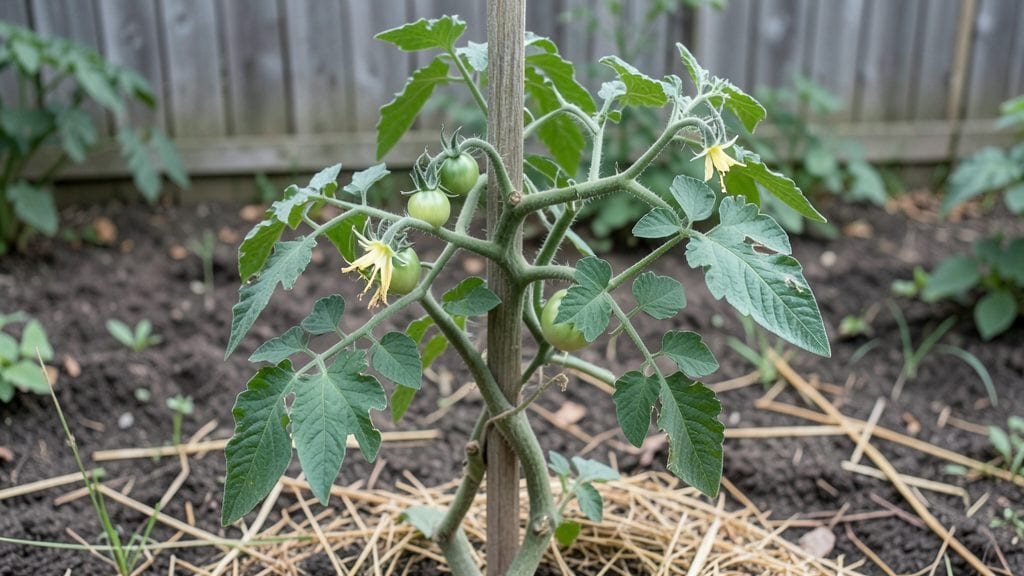
Growing vine tomato plants saved my tiny backyard garden from looking like a jungle of sprawling chaos. 🌱 These compact varieties climb instead of sprawl, turning vertical space into a productive powerhouse—perfect when square footage is limited.
I went from struggling with floppy plants to harvesting heavy vines of sun-ripened tomatoes that put store-bought to shame.
The magic starts with the right varieties—look for 'Tiny Tim,' 'Micro Tom,' or 'Sweet 100 Cherry'—all bred to thrive on supports. You'll need sturdy trellises (I use 6-foot bamboo stakes with twine), well-draining soil mixed with compost, and a sunny spot getting at least 6 hours of light daily.
These plants reward patience with continuous harvests all summer long.
Pruning is where the real skill comes in: pinch off suckers (those little shoots between stems) to focus energy upward, and tie new growth to the trellis every few days.
Water consistently at the base—never overhead—and feed with balanced fertilizer every 4-6 weeks. Before you know it, you'll have a lush, vine-covered tower producing tomatoes until frost.
This method works in containers too—just use larger pots with built-in supports. The best part? You'll free up garden space for other crops while keeping your tomato obsession in check. Ready to turn vertical space into a harvest bonanza?
📚 In This Guide
- What you need
- Instructions
- Tips and common mistakes
- Wrapping up and next steps
What you need
- ● Vine tomato seeds or seedlings: Choose compact varieties like 'Tiny Tim,' 'Micro Tom,' or 'Tumbling Tom' (2–4 plants per trellis or container).
- ● Containers or garden bed: Containers: 5-gallon pots or larger (1 per plant; ensure drainage holes).
- ● Garden bed: Raised beds or in-ground spaces with at least 12–18 inches of soil depth.
- ● Vertical support system: Trellis: 4–6 ft tall (wooden, metal, or A-frame; 1–2 per plant).
- ● Cages: 3–4 ft tall (sturdy wire or plastic; 1 per plant).
- ● Stakes: 5–6 ft bamboo or wooden stakes (2–3 per plant).
- ● Potting mix: High-quality, well-draining mix (e.g., 50% peat/coir + 50% perlite/vermiculite; 1 bag per 2–3 plants).
- ● Fertilizer: Balanced organic fertilizer (e.g., 10-10-10 or compost; 1 tbsp per plant at planting).
- ● Tomato-specific liquid feed (e.g., fish emulsion; for mid-season boosts).
- ● Watering tools: Drip irrigation, watering can with rose nozzle, or hose with gentle spray.
- ● Pruning shears: Sharp, clean pair (for trimming suckers and dead leaves).
- ● Mulch: Straw or shredded leaves (2–3 inches; retains moisture and suppresses weeds).
- ● Companion plants: Basil, marigolds, or lettuce (plant near tomatoes to deter pests).
- ● Plant ties/clips: Soft Velcro or plastic ties (to secure vines to trellises).
- ● Shade cloth: 30–50% coverage (for hot climates; protects young plants).
- ● Soil amendments: Worm castings or mycorrhizal fungi (boosts root health).
- ● Grow lights: LED lights (if starting seeds indoors; 12–16 hrs/day).
Step-by-Step guide to growing vine tomato plants vertically
Transform your small garden into a tomato powerhouse with these space-saving techniques.
🪴 Step 1: Select the Right Trellis and Supports
Vine tomatoes need sturdy support to climb, so choose a trellis that can handle 10-15 pounds per plant at maturity. I recommend a 6-foot-tall A-frame trellis or a sturdy wooden post with horizontal wires spaced 12 inches apart. Drive the supports into the ground at least 12 inches deep for stability—shallow stakes will topple when heavy with fruit.
For a more rustic look, use a strong wooden ladder or even a sturdy bamboo pole lashed with twine. The key is ensuring the structure won’t wobble when you brush past it. If you’re growing near a fence, attach a heavy-duty lattice panel to create a vertical garden wall. Just make sure the material is weather-resistant and won’t rot over the season.
🌱 Step 2: Plant Tomatoes Close to the Trellis
Dig a hole twice as wide as the root ball and as deep as the container the tomato came in. Place the plant so the top of the root ball sits just below soil level—burying the stem too deep can cause rot, while planting too high stresses the plant. Gently loosen the roots if they’re circling the container.
Position the plant within 6 inches of the trellis so the main stem can immediately reach upward. If you’re planting multiple vines, space them 18-24 inches apart along the trellis. Water deeply right after planting to settle the soil and remove any air pockets around the roots. You’ll know it’s right when the soil feels firm but still spongy to the touch.
💧 Step 3: Train Vines and Prune for Maximum Yield
As the main stem grows, guide it upward along the trellis using soft plant ties or twine. Avoid metal clips—they can damage the stem as it thickens. I like to tie the vine at the first set of true leaves, then again every 12 inches of growth. This keeps the plant stable without restricting its expansion.
Prune suckers—those little shoots that grow in the leaf axils—regularly to focus the plant’s energy on fruit production. Remove any suckers smaller than a pencil, and always cut with clean pruners at a 45-degree angle just above a leaf. If you see leaves touching the ground, trim them immediately—they’ll attract pests and diseases. Healthy vines should have 3-4 main stems by midseason.
☀️ Step 4: Manage Water and Sunlight for Vertical Growth
Vine tomatoes need 6-8 hours of direct sunlight daily, so place your trellis in the sunniest spot possible. If your garden gets afternoon shade, rotate the trellis a quarter turn weekly so all sides get even light exposure. You’ll notice the vines growing toward the sun—this is normal, but too much leaning means you need to adjust the structure.
Water at the base of the plant, not overhead, to prevent fungal diseases. Aim for 1-1.5 gallons per plant weekly, adjusting for rain. Let the top 2 inches of soil dry out between waterings—you’ll know it’s time when the soil feels dry to the touch. Avoid wetting the leaves, especially in the evening, to prevent mildew. A drip irrigation system works best for vertical gardens.
✂️ Step 5: Harvest and Maintain Through the Season
Harvest tomatoes when they’re fully colored and slightly soft to the touch. Vine varieties often ripen unevenly, so check the trellis every 2-3 days in peak season. Use pruners to cut stems cleanly—twisting can damage the vine. If a tomato stays on the vine too long, it’ll become mealy and lose flavor.
Fertilize lightly every 4-6 weeks with a balanced organic fertilizer to keep the vines producing. Remove any yellow or diseased leaves immediately to prevent spread. By late summer, you might see the vines slow down—this is normal. Prune back any overly long stems to redirect energy to the remaining fruit. With proper care, your vertical tomatoes will keep yielding until the first frost.
Tips & tricks for perfect vertical vine tomato growth
Here's what I've learned from years of growing vine tomatoes vertically—these tricks will help you maximize your small space and get the best harvest possible.
Stability is Everything: When setting up your trellis, don't skimp on depth—those 12-inch-deep supports in Step 1 are non-negotiable. I've seen beautiful trellises topple when tomatoes ripened because the stakes weren't buried deep enough. For extra insurance, especially in windy areas, add a cross brace between your 6-foot-tall A-frame trellis supports about halfway up. This creates a diamond shape that prevents leaning, even when heavy with fruit.
Root Ball Technique: In Step 2, when you're loosening those circling roots, here's a pro move: Make small vertical cuts along the root ball with your fingers before planting. This encourages the roots to spread outward more quickly once in the ground. I also like to add a handful of compost to the planting hole—it gives those roots a nutrient boost right from the start. The goal is to have the plant establish itself within that 6-inch proximity to the trellis so it can immediately start climbing.
Pruning Precision: That 45-degree angle when pruning suckers in Step 3 isn't just for looks—it prevents water from pooling on the cut, which can lead to rot. I've found that using clean, sharp pruners (not garden shears) makes all the difference. Also, watch for those 3-4 main stems by midseason—they're your plant's framework for maximum fruit production. If you see more than that, you're likely pruning too late in the season when the plant should be focusing on fruit rather than new growth.
Sunlight Strategy: For that critical 6-8 hours of direct sunlight mentioned in Step 4, here's a visual trick: Place your trellis where the morning sun hits it directly. The east-facing side gets the most gentle morning light, which helps prevent sunburn on the leaves. If your garden gets afternoon shade, rotate your trellis a quarter turn every week—this ensures all sides get equal exposure. You'll notice the vines naturally grow toward the light, so if they're all leaning one way, it's time to adjust your structure.
Pro Tips for Vine Tomato Plants
- Here's what I've learned from years of growing vine tomatoes vertically—these tricks will help you maximize your small space and get the best harvest possible.
- Stability is Everything: When setting up your trellis, don't skimp on depth—those 12-inch-deep supports in Step 1 are non-negotiable.
- Root Ball Technique: In Step 2, when you're loosening those circling roots, here's a pro move: Make small vertical cuts along the root ball with your fingers before planting.
Frequently asked questions
Got questions about growing vine tomato plants in your compact garden? Here are some of the most common ones—and their answers!
What’s the best way to support vine tomato plants in a small space?
Use sturdy trellises, cages, or even a tomato tower (a DIY vertical frame) to guide vines upward. Avoid flimsy stakes—they can snap under the weight of heavy fruits. For extra stability, tie vines gently with soft plant ties every 6–12 inches as they grow.
How long does it take for vine tomatoes to produce fruit?
Most vine tomato varieties mature in 60–90 days from transplanting, depending on the climate and variety. Cherry tomatoes often ripen faster (50–70 days), while larger varieties like ‘Black Krim’ may take longer. Start seeds indoors 6–8 weeks before the last frost for a head start!
Can I grow vine tomatoes in containers? If so, what size pot do I need?
Vine tomatoes thrive in containers as long as the pot is at least 12–18 inches deep and wide enough to support the plant’s root system. Add a balanced fertilizer and ensure proper drainage. For heavy vines, opt for a pot with built-in trellis support or place it near a sturdy vertical structure.
What pests or diseases should I watch for with vine tomatoes?
Common issues include hornworms (voracious caterpillars), aphids, and fungal diseases like blight. To prevent problems, prune for airflow, avoid overhead watering, and use row covers early in the season. Introduce beneficial insects like ladybugs or spray neem oil for organic pest control.
Are vine tomatoes different from regular tomatoes in taste or texture?
Not necessarily! Vine tomatoes are simply trained to grow vertically, but their flavor and texture depend on the variety (e.g., ‘Sweet Million’ cherries vs. ‘Brandywine’ beefsteaks). The key difference is their growth habit—vines produce more concentrated fruit due to better air circulation, often resulting in sweeter, more flavorful tomatoes.
Wrapping up and next steps
Growing vine tomato plants is a game-changer for small gardens—maximizing space while delivering bountiful, homegrown harvests! With the right setup, companion plants, and care, you’ll enjoy juicy, flavorful tomatoes without sacrificing square footage.
Whether you’re a beginner or a seasoned gardener, this vertical approach makes fresh produce accessible and rewarding.
Ready to transform your garden? Start by sketching your layout, gathering supplies, and planting your vine tomatoes this season—your future self (and taste buds!) will thank you. 🌱🍅