
Pruning
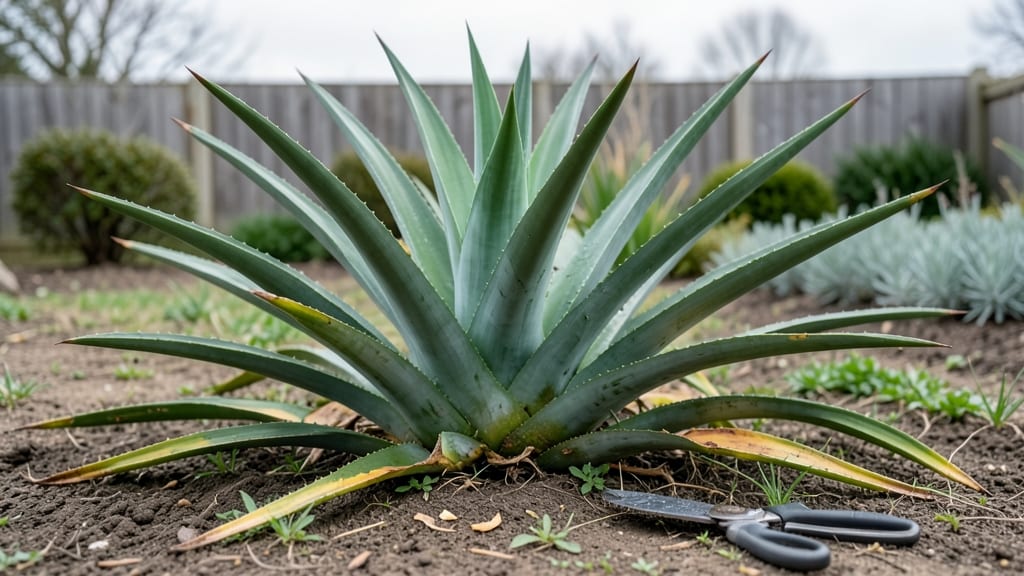
Trimming your pineapple plant isn't just about tidiness—it's the secret to getting more fruit and keeping your plant thriving for years. 🌱 After that first sweet harvest, I learned the hard way that skipping pruning means fewer pups and slower regrowth.
The right cuts redirect energy where it matters most: back into the plant's core and those precious side shoots.
You'll need sharp pruners or shears (rubbing alcohol wipes work great for sterilizing), a clean cutting board, and a small pot with fresh potting mix if you're harvesting pups. The process takes about 20 minutes, and I promise you'll see new growth within weeks if you do it right.
Start by removing only the dead or yellowing leaves—never cut into healthy green tissue.
After trimming, your plant will focus on producing new leaves and side shoots (called "pups") instead of wasting energy on dead growth. Those pups are your future plants, and with proper care, you'll have multiple pineapple harvests from a single original plant.
Just keep the soil moist but not soggy, and place it in bright, indirect light.
This method works for both indoor and outdoor pineapple plants, though outdoor plants in warm climates can produce fruit faster. The key is consistency—trim after each fruiting cycle, and you'll have a self-sustaining pineapple garden that keeps giving back. Ready to turn that one plant into a pineapple powerhouse?
📚 In This Guide
- What you need
- Instructions
- Tips and common mistakes
- Wrapping up and next steps
What you need
- ● Clean, sharp pruning shears – Bypass pruners (4-6 inches) work best for clean cuts without crushing stems.
- ● Rubbing alcohol (70% isopropyl) or hydrogen peroxide (3%) – 1 small bottle (8 oz) to sterilize tools and prevent disease.
- ● Garden gloves – 1 pair (nitrile or leather) to protect hands from thorns and sap.
- ● Disposable gloves or paper towels – For wiping tools between cuts to avoid contamination.
- ○ Small container or bucket – For collecting trimmings (optional but handy for composting).
- ● Pruning saw – If your plant has thick, woody stems (1+ inch diameter), a small handsaw (4-6 inches) makes work easier.
- ● Rooting hormone – 1 small packet to encourage growth if you’re propagating pups.
- ● Cactus/succulent soil mix – For repotting pups if you’re expanding your pineapple family.
- ● Spray bottle with water – To mist cuts and reduce stress on the plant.
Step-by-Step instructions for trimming a pineapple plant
Here's how to keep your pineapple thriving with minimal effort—just focus on these key cuts.
🌱 Step 1: Identify Healthy Leaves for Pruning
Wait until your pineapple plant has grown at least 12-18 inches tall and has 8-10 mature leaves before pruning. Focus on removing only the outermost, yellowing, or brown leaves—these are dead or dying and won’t produce fruit. Healthy leaves should be deep green, firm, and upright.
Use clean, sharp pruning shears to cut about 1 inch above the base of the damaged leaf where it meets the stem. Avoid cutting into the healthy green tissue—this prevents disease and helps the plant redirect energy to new growth. If a leaf is completely brown and crispy, you can also gently twist it off by hand.
✂️ Step 2: Remove the Mother Plant’s Top
Once your pineapple plant produces a flower spike (a long, red or yellow stalk), it’s time to harvest the mother plant’s energy for future growth. Use your pruning shears to cut just above the base of the flower spike, leaving the rest of the plant intact. This encourages the plant to produce pups (baby plants) at the base for future harvests.
Here’s the thing—don’t throw away the flower spike. Place it in a jar of water with just the base submerged, and it’ll eventually root and grow into a new plant. Meanwhile, the mother plant will focus its energy on developing 3-5 pups at its base over the next 4-6 weeks.
🌿 Step 3: Harvest and Repot Pups
When the pups grow 3-4 inches tall and develop 3-4 leaves of their own, they’re ready to be separated. Gently twist or cut them from the mother plant, ensuring each pup has a small root system attached. Plant each pup in its own 4-inch pot filled with well-draining cactus or succulent mix—pineapples hate soggy roots.
Water lightly after repotting, but don’t overdo it. Pineapple pups need bright, indirect light and warmth (70-85°F) to establish roots. In 6-12 months, these pups will mature enough to produce their own flowers and fruit. Keep the mother plant in its original pot—it may produce 1-2 more harvests before slowing down.
💧 Step 4: Maintain Light and Water for Recovery
After pruning, move your pineapple plant to a spot with 6+ hours of bright, indirect sunlight daily. If you notice new leaves turning yellow or limp, it’s usually a sign of overwatering or low light. Pineapples store water in their leaves, so water only when the soil feels completely dry to the touch, about every 2-3 weeks in warm weather.
Fertilize lightly once a month with a balanced, diluted houseplant fertilizer during the growing season (spring and summer). Avoid heavy feeding in winter—pineapples rest then. If your plant produces another flower spike, repeat Step 2 to keep the cycle going. With proper care, one pineapple plant can yield fruit for years.
Tips & tricks for precision pruning of pineapple plants
Here's what I've learned from years of growing my own pineapples—these small details make all the difference between a struggling plant and one that keeps producing fruit.
Tool Prep: Always sterilize your pruning shears with rubbing alcohol before and after each cut. I learned this the hard way after my plants developed fungal spots from dirty tools. Sharp shears make cleaner cuts that heal faster, so take a moment to sharpen them if they feel dull. For Step 1, you'll want to make your cuts at a slight angle—this helps water run off and prevents rot at the leaf base.
Pup Propagation Insight: When harvesting pups in Step 3, look for those with at least 3-4 leaves and a small root system—these have the best chance of thriving. I've found that pups with more leaves establish faster, but don't wait too long or they'll become too large for their 4-inch pots. Optional: If you're worried about root health, you can dip the cut end in rooting hormone before planting—this isn't required but can speed up establishment by about 2 weeks.
Light and Temperature Balance: Pineapples thrive in the 70-85°F range mentioned in Step 4, but they also need that bright, indirect light. I place mine near an east-facing window where they get morning sun but avoid harsh afternoon rays. If your leaves start turning yellow, check both your watering habits and light exposure—it's usually one of these two factors. During winter, you might need to supplement with a grow light if natural light drops below 6 hours daily.
Recovery Timeline: After pruning, your mother plant needs about 4-6 weeks to recover and produce new pups, as noted in Step 2. During this time, resist the urge to fertilize—let the plant focus on healing. I've seen some growers fertilize too soon, which can stress the plant. Once you see new growth emerging at the base, that's your signal to resume monthly feeding during growing season.
Pro Tips for Trim Pineapple Plant
- Here's what I've learned from years of growing my own pineapples—these small details make all the difference between a struggling plant and one that keeps producing fruit.
- Tool Prep: Always sterilize your pruning shears with rubbing alcohol before and after each cut.
- Pup Propagation Insight: When harvesting pups in Step 3, look for those with at least 3-4 leaves and a small root system—these have the best chance of thriving.
Frequently asked questions
Got questions about trimming your pineapple plant? You’re not alone! Here are some of the most common concerns—plus quick, actionable answers to keep your plant thriving and fruiting like a pro.
How often should I trim my pineapple plant?
Trim your pineapple plant only when necessary—typically once or twice a year after fruiting or when you spot leggy growth. Over-trimming stresses the plant. Focus on removing dead leaves, yellowing fronds, or excessive suckers (baby plants) to redirect energy to fruit production. Pro tip: Wait until the main fruit harvests before pruning to avoid stunting growth.
Can I trim a pineapple plant that’s never produced fruit?
Yes, but gently! If your pineapple plant is young (under 18 months) or hasn’t fruited, avoid heavy pruning. Instead, trim only dead or damaged leaves to encourage healthy growth. For older plants, remove 1-2 suckers (the side shoots) to force flowering. Patience is key—pineapples need time (often 2–3 years) to mature and fruit.
What if my pineapple plant looks sad after trimming?
Don’t panic! A little wilting or yellowing is normal post-prune, but severe drooping or blackened leaves signal over-trimming or stress. To help it recover:
- Reduce watering slightly (let soil dry between waterings).
- Place it in bright, indirect light (no harsh sun for a few days).
- Avoid fertilizing for 2–4 weeks to let it heal.
Should I trim the fruit off my pineapple plant?
Only if it’s overripe, rotting, or pest-infested. A healthy fruit left on the plant will eventually fall on its own (usually 4–6 months after flowering). Trimming too early can reduce future fruiting. If you’re harvesting, use a clean, sharp knife to cut the stem—leave a 1-inch stub to prevent rot.
Can I propagate the trimmings from my pineapple plant?
The suckers (side shoots) and even the leafy crown (top) can root into new plants. Here’s how:
- Let cuttings dry for 1–2 days to callous over.
- Place in well-draining soil or water (for crowns).
- Keep in warm, bright light (no direct sun at first).
- Roots form in 2–6 weeks!
What if my pineapple plant keeps growing suckers instead of fruit?
Suckers (baby plants) often appear when the plant is stressed, over-fertilized, or lacks sunlight. To encourage fruiting:
- Remove all but 1–2 suckers (too many drain energy).
- Ensure it gets 6+ hours of sunlight daily.
- Use a low-nitrogen fertilizer (like 5-10-10) to promote flowering.
- Check for pests or disease (like mealybugs) that may stress the plant.
Wrapping up and next steps
Trimming your pineapple plant isn’t just about aesthetics—it’s the secret to bigger, sweeter fruit and a healthier, more productive plant! 🌱 By mastering precision pruning, you’ll encourage robust growth, prevent disease, and enjoy a year-round harvest.
Remember, patience and consistency are key—your efforts will pay off in delicious, homegrown bounty.
Ready to take the next step? Start small—trim just one section today, observe how your plant responds, and gradually refine your technique. Before you know it, you’ll be the proud gardener of a thriving pineapple paradise! 🍍✨