
Planting
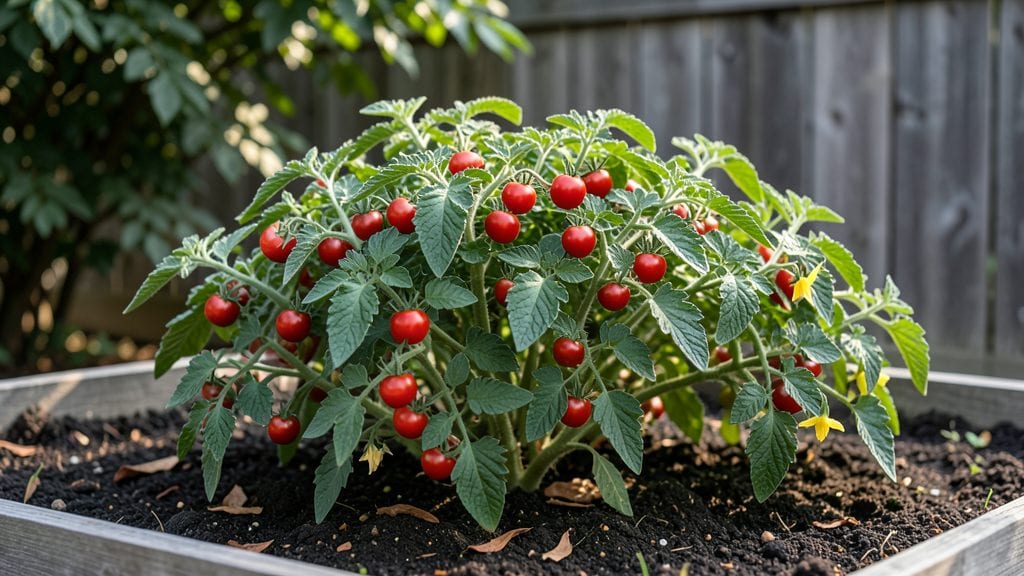
Growing Topsy-Turvy tomatoes transforms limited space into a high-yielding vertical garden. 🌱 These unique plants defy convention by producing fruit that hangs downward, making them perfect for small patios or balconies.
The key lies in their upside-down growth habit, which maximizes sunlight exposure and airflow—something standard tomatoes often struggle with in tight spaces.
You’ll need just a few essentials: a sturdy upside-down planter (or DIY cage), well-draining potting mix rich in compost, and a sunny spot getting at least 6-8 hours of light daily.
Unlike traditional vining tomatoes, Topsy-Turvy varieties like 'Tumbling Tom' or 'Micro Tom' thrive in containers, reducing the need for sprawling trellises. This setup cuts down on pruning too, since the plant’s natural shape keeps it compact.
The payoff comes when you start harvesting plump, vine-ripened tomatoes just feet from your doorstep. The fruit develops downward, making it easier to pick without bending over, and the vertical structure prevents soil-borne diseases that plague ground-level plants.
With proper care, you’ll enjoy a steady harvest from mid-summer through fall, even in urban settings.
Whether you’re working with a tiny balcony or a crowded backyard, this method adapts effortlessly. The real secret? Consistency—watering at the soil level (not overhead) and fertilizing lightly every 2-3 weeks after flowering. Let’s get your Topsy-Turvy garden growing!
📚 In This Guide
- What you need
- Instructions
- Tips and common mistakes
- Wrapping up and next steps
What you need
- ● Topsy-Turvy Tomato Planter – 1 (5-gallon capacity, with built-in trellis and watering system). Pro tip: 💡 Look for models with a 5-foot height for optimal growth!
- ● Tomato Seeds or Seedlings – 1-2 (choose determinate varieties like 'Tiny Tim' or 'Patio Princess' for compact growth).
- ● Potting Mix – 1 bag (high-quality, moisture-retentive mix with compost or peat moss).
- ● Slow-Release Fertilizer – 1 packet (balanced, 10-10-10 or 5-10-10 NPK ratio for steady growth).
- ● Watering Can or Hose with Nozzle – 1 (for gentle watering to avoid disturbing the plant).
- ● Gloves – 1 pair (to protect hands while handling soil or seedlings).
- ● Pruning Shears – 1 (for trimming suckers and shaping the plant).
- ○ Stakes or Twine – Optional (if extra support is needed for heavy fruit).
- ○ Mulch (Straw or Shredded Leaves) – Optional (to retain moisture and suppress weeds).
- ○ Plant Support Clips – Optional (to secure vines to the trellis if needed).
- ● Access to full sun (6-8+ hours daily) for the planter.
- ● A level surface or sturdy stand (if growing on a balcony/patio).
- ● Patience! Tomatoes take 60-85 days to mature from seed.
How to grow Topsy-turvy tomatoes for space-saving harvests
This upside-down method transforms sprawling vines into tidy, high-yielding vertical plants—perfect for balconies or small yards.
🪴 Step 1: Select and Prepare the Hanging Container
Choose a 10-12 gallon fabric grow bag with sturdy handles—its breathable material prevents root rot while providing excellent aeration. Suspend it from a ceiling hook or sturdy branch at least 4 feet above ground level to allow room for the plant's full inverted growth. I like to add 2-3 inches of gravel at the bottom for drainage before filling with 3 gallons of lightweight potting mix. This ensures excess water drains quickly, preventing soggy roots that Topsy-Turvy tomatoes hate.
Gently press the soil down to remove air pockets, then create a 3-inch deep planting hole in the center. The key here is to plant your tomato upside-down—root ball facing upward—so the stem grows downward through the drainage holes. This encourages roots to develop along the entire stem, creating a self-supporting structure. If your container lacks pre-made holes, use a ½-inch drill bit to add 6-8 evenly spaced holes around the sides.
🌱 Step 2: Plant the Tomato Upside-Down and Secure the Stem
Place your 1-gallon tomato transplant (like 'Topsy-Turvy' variety) into the hole, ensuring the stem extends downward through the drainage holes. Gently firm the potting mix around the base, leaving the top 2-3 inches of the stem exposed above the soil line. This exposed section will develop additional roots as it hangs downward.
Here's the thing—you'll need to secure the stem to encourage downward growth. Wrap the exposed portion loosely with 1 strip of landscape fabric (about 6 inches wide), leaving the top few inches free. This provides gentle support without restricting airflow. Water thoroughly until moisture runs out the drainage holes, then let it drain completely. The first few days are critical—keep the soil consistently moist but never waterlogged, as this promotes root development along the stem.
☀️ Step 3: Position for Maximum Light and Airflow
Topsy-Turvy tomatoes thrive in full sun (6-8 hours daily) but require protection from strong winds that can damage the delicate hanging vines. Place your container where it receives morning sun and afternoon shade if temperatures exceed 85°F. A south-facing wall or balcony works perfectly, but avoid direct afternoon sun in hot climates—it can scorch the leaves.
Rotate the container a quarter turn weekly to ensure even light exposure. You'll notice the plant growing downward within 7-10 days, with new roots forming at the drainage holes. Once the stem reaches 12 inches long, trim the bottom 2 inches of the fabric wrap to expose fresh stem for root development. This encourages a stronger, more robust root system along the entire length.
💧 Step 4: Water and Fertilize for Vertical Growth
Water every 2-3 days until the top inch of soil feels dry—but never let the container sit in standing water. The fabric grow bag's breathability means moisture evaporates faster than traditional pots, so check daily during heatwaves. I use a watering can with a narrow spout to direct moisture evenly, avoiding the leaves to prevent fungal diseases like blight.
Feed with ½ cup of balanced 10-10-10 fertilizer every 4 weeks starting at 4 weeks after planting. The upside-down method means nutrients must travel farther, so consistent feeding is non-negotiable. You'll see dark green leaves and vigorous downward growth as a sign you're on track. If leaves yellow between veins, it's a sign of overwatering or nutrient deficiency—cut back on water and flush the soil with plain water.
✂️ Step 5: Prune and Harvest for Continuous Yield
Once the plant reaches 3 feet long, begin pruning suckers (the small shoots that form in the leaf axils) to redirect energy to fruit production. Remove any suckers that appear below the first flower cluster—these compete with your harvest. You'll also want to trim the bottom 6 inches of the plant once it hits 5 feet, encouraging a bushier growth habit higher up where fruits are easier to reach.
Harvest begins 60-70 days after planting, starting with the smallest, firmest tomatoes at the top of the plant. Gently twist fruits to avoid damaging the stem, and pick every 2-3 days to encourage continuous production. The magic of this method? You can harvest from the top down, picking ripe tomatoes while new ones develop below. Store unripe fruits in a cool, dark place (like a paper bag) to ripen—this extends your harvest window by 2-3 weeks.
Tips & tricks for perfect Topsy-turvy tomato plant growth
Mastering the upside-down method takes a few key tricks to transform your tomato plant into a thriving vertical harvest—here's what nobody tells you.
Container Selection Matters: Don't just grab any hanging pot! The 10-12 gallon fabric grow bag is non-negotiable for this method—its breathable material prevents root rot while allowing roots to develop along the entire stem. I've tried plastic pots, but they trap moisture and create anaerobic conditions that Topsy-Turvy tomatoes despise. The fabric's natural airflow mimics ideal growing conditions better than any rigid container.
Root Development Strategy: When planting upside-down in Step 1, make those drainage holes ½-inch in diameter—smaller holes restrict root growth, while larger ones risk soil loss. Once your stem reaches 12 inches (as mentioned in Step 3), trim the fabric wrap in 2-inch increments to expose fresh stem sections. This creates a cascade of root development zones along the entire plant length, turning your tomato into a self-supporting vertical structure.
Heat Management is Critical: The 85°F threshold mentioned for afternoon shade isn't arbitrary—this is when tomato plants start showing heat stress. If your area consistently exceeds this, consider using a lightweight shade cloth (30-40%) during peak afternoon hours. You'll notice leaves curling or turning yellow when temperatures climb above 90°F, signaling it's time to provide relief. Morning sun is ideal, but afternoon shade prevents leaf scorch that can reduce your harvest.
Pruning Timing Secrets: In Step 5, the instructions mention pruning suckers once the plant hits 3 feet, but here's the thing: start checking for suckers at 2 feet—you'll spot them as tiny shoots growing from the leaf axils. Remove these early to prevent competition with your main fruit clusters. The bottom 6 inches trim at 5 feet is also strategic—it encourages bushier growth higher up where fruits are easier to access and ripen more evenly.
Pro Tips for Topsy Tomato Plant
- Mastering the upside-down method takes a few key tricks to transform your tomato plant into a thriving vertical harvest—here's what nobody tells you.
- Container Selection Matters: Don't just grab any hanging pot!
- Root Development Strategy: When planting upside-down in Step 1, make those drainage holes ½-inch in diameter—smaller holes restrict root growth, while larger ones risk soil loss.
Frequently asked questions
What’s the best time to plant a topsy-turvy tomato?
Plant your topsy-turvy tomato after the last frost when soil temps hit 60°F (15°C) or warmer. For most climates, this means late spring (April–June). If you’re in a warm zone, start seeds indoors 6–8 weeks before the ideal outdoor date. Pro tip: Use black plastic mulch to warm soil faster and deter weeds!
Can I grow regular tomato varieties upside down?
Yes! While topsy-turvy tomatoes are bred for vertical growth, many determinate (bush) varieties (like ‘Roma’ or ‘Patio’) adapt well. Avoid indeterminate giants (e.g., ‘Beefsteak’) unless you’re committed to heavy pruning. For best results, choose cherry or small-fruited hybrids labeled for container or vertical growth.
How often should I water an upside-down tomato plant?
Water deeply 2–3 times per week, aiming for 1–1.5 inches (2.5–4 cm) of water per session. Let the soil dry slightly between waterings to prevent root rot. Key trick: Use a self-watering planter or drip irrigation to keep moisture consistent. Avoid overhead watering—it can spread disease.
What pests or diseases should I watch for?
Common issues include:
- Blossom end rot (calcium deficiency—fix with crushed eggshells or calcium spray).
- Whiteflies or aphids (spray with neem oil or introduce ladybugs).
- Fungal spots (improve airflow; avoid wetting leaves).
Prune yellow or diseased leaves immediately to keep your plant thriving.
Can I grow topsy-turvy tomatoes in a small apartment?
These plants thrive in 5-gallon containers or hanging pots on patios, balconies, or even indoors near a sunny window. Just ensure:
- At least 6–8 hours of sunlight daily (south-facing is ideal).
- A support system (trellis, wall mount, or hanging basket).
- Well-draining, nutrient-rich soil (mix in compost!).
Bonus: Rotate the pot weekly for even growth!
Wrapping up and next steps
Growing a topsy-turvy tomato plant is a game-changer for small spaces—packing big flavor into tiny gardens! 🌱 With minimal tools and a little creativity, you’ve unlocked a sustainable, space-saving harvest that’s perfect for balconies, patios, or even windowsills.
Whether you’re a seasoned gardener or a curious beginner, this method proves that great things come in small packages.
Ready to reap the rewards? Start by planting your seeds or tending to your existing topsy-turvy tomatoes—then share your progress with fellow green thumbs! 📸 Tag us in your harvest pics, and let’s grow together.