
How To
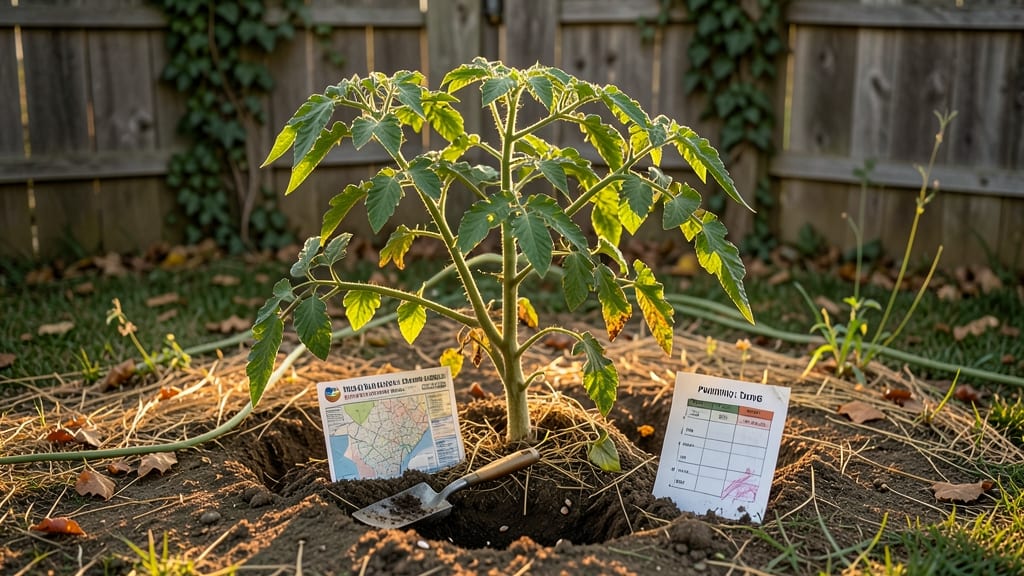
Sunset planting zones determine the best times to plant based on your local climate and microclimate, using a 12-zone system that aligns with frost dates and seasonal shifts for optimal growth. These zones help gardeners in Western North America time their planting for cooler or warmer seasons with precision.
These planting zones go beyond simple temperature ranges—they account for regional weather patterns like coastal fog, inland heat, and elevation changes that USDA zones often miss. 🌿 For example, Zone 14 in Southern California might have two planting seasons (spring and fall) due to mild winters, while Zone 7 in the Pacific Northwest could have just one spring window.
The system's precision helps you avoid frost damage and maximize yield, especially for heat-sensitive crops like tomatoes or cold-hardy veggies like kale.
What sets Sunset zones apart is their focus on microclimates—small areas with unique conditions. A backyard in Zone 15 near the coast might get morning sun but afternoon fog, while just a mile inland, the same zone could be bone-dry by noon.
This level of detail means you can plant rosemary in Zone 24's deserts but fuchsias in Zone 1's coastal gardens—both thrive in their perfect microclimate.
💡 In This Article
- How Sunset Planting Zones Differ from USDA Zones
- Best Plants for Each Sunset Planting Zone
How Sunset planting zones differ from USDA zones
The Sunset planting zone system was designed specifically for Western North America—where coastal fog, inland deserts, and mountain microclimates create wildly different growing conditions than what USDA zones account for.
While USDA zones focus solely on average annual minimum temperatures, Sunset zones incorporate frost-free dates, seasonal rainfall patterns, and even soil types to create a more practical guide for gardeners.
For example, a Zone 9 in Southern California might have 300 frost-free days, while a Zone 9 in Oregon could have only 180 days—a difference that drastically alters planting windows.
Here's the key difference: USDA zones divide the country into 13 temperature-based bands, but Sunset expands this to 24 climate-specific regions that reflect real-world growing seasons.
Take Zone 15 (coastal California) versus Zone 16 (inland valleys)—both have similar temperatures, but Zone 15's marine layer creates cooler, foggy summers perfect for leafy greens, while Zone 16's hot, dry conditions thrive with tomatoes and peppers.
The system even accounts for elevation shifts: a Zone 12 garden at 2,000 feet in Arizona might have 10°F cooler nights than one at sea level, requiring different planting timing.
What this means for your garden is precision timing. In Zone 7 (Pacific Northwest), you might plant cool-season crops like broccoli in early September for a winter harvest, while in Zone 24 (desert Southwest), you'd wait until mid-March to avoid extreme heat stress.
The Sunset system also highlights secondary planting seasons—like fall plantings in Zone 14—that USDA zones would miss entirely. This level of detail helps you avoid common mistakes, like planting heat-sensitive basil too early in Zone 16 or frost-tender squash too late in Zone 1.
The science behind this involves phenological events—the study of seasonal plant and animal life cycles. Sunset zones track when first frost and last frost typically occur, but also when soil warms to 60°F (critical for seed germination) or when humidity drops below 40% (affecting watering needs).
For instance, Zone 15 coastal gardens might see morning fog burn (where cold air settles overnight), while Zone 7 inland areas deal with afternoon heat spikes—both require different watering strategies. 🌿
Consider this real-world example: In Zone 12 (Southern California deserts), you'd plant okra in May to avoid summer's 110°F+ temperatures, while in Zone 1 (coastal Oregon), okra thrives planted in June when soil temps reach 70°F.
The Sunset system even accounts for rainfall triggers: some zones (like Zone 8) have winter rains that make spring planting ideal, while others (like Zone 20) rely on summer monsoons for irrigation. This granularity is why Sunset zones are the gold standard for Western gardeners.
For Pacific Northwest gardeners, this matters most: USDA zones might lump Seattle (Zone 8) and Portland (Zone 8) together, but Sunset separates them into Zone 5 (cooler, wetter) and Zone 6 (warmer, drier), respectively. This distinction helps you choose cold-hardy rhododendrons for Zone 5 but heat-tolerant lavender for Zone 6.
The system's focus on microclimates means you can successfully grow citrus in Zone 14 but avoid frost damage by planting near a heat-retaining wall.
The bottom line? Sunset zones give you localized, actionable advice that USDA zones simply can't provide. Whether you're battling coastal fog, desert heat, or mountain chill, these zones help you match plants to their perfect growing conditions—down to the square foot.
For Western gardeners, this isn't just theory; it's the difference between a thriving garden and a struggle. ✨