
Planting
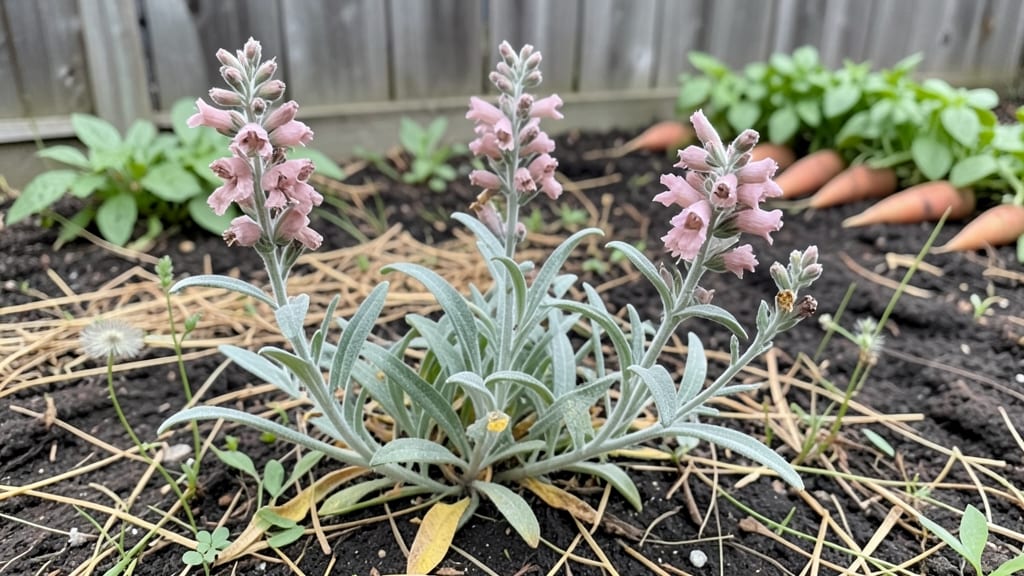
Growing summer snapdragons means vibrant, heat-tolerant blooms that last from June through frost. 🌻 I’ve grown them in full sun and partial shade, and they always reward me with those cheerful, dragon-mouth-shaped flowers—even when other plants wilt in the midday heat.
The trick is matching their needs: well-draining soil, consistent moisture, and regular deadheading to keep the flowers coming. You’ll need a sunny spot (at least 6 hours of light), a soil mix that drains well, and a watering routine that keeps the roots moist but never soggy.
Snapdragons are surprisingly forgiving once you get the basics right.
By midsummer, your plants will be packed with blooms in shades of pink, red, and yellow, attracting bees and butterflies while adding height and texture to borders or containers.
The flowers even last well in bouquets, so you get double the enjoyment. Prune spent blooms to encourage more flowers, and watch them thrive all season.
Perfect for beginners and experienced gardeners alike—just avoid overwatering and they’ll reward you with blooms until fall. Here’s how to keep them looking their best all summer long.
📚 In This Guide
- What you need
- Instructions
- Tips and common mistakes
- Wrapping up and next steps
What you need
- ● Snapdragon seeds: Choose heat-tolerant varieties like ‘Summer Snap’ or ‘Rocket’ (1-2 seed packets for a small garden, 3+ for larger spaces).
- ● Well-draining potting mix: 5-10 lbs of high-quality seed-starting mix (or garden soil amended with compost).
- ● Containers or garden bed: For seedlings: 2-3 inch pots or seed trays (6+ cells per packet).
- ● For transplanting: Garden beds with full sun (6+ hours/day) or large containers (12+ inches deep).
- ● Fertilizer: Balanced liquid fertilizer (10-10-10 or 20-20-20) or slow-release granules.
- ● Watering can or hose: With a gentle spray nozzle for seedlings.
- ● Hand trowel or transplanting tool for digging.
- ● Pruning shears (for deadheading spent blooms).
- ● Mulch (straw or shredded bark) to retain moisture.
- ○ Shade cloth (optional, for seedlings in intense afternoon sun).
- ● Garden gloves (to protect hands from thorns on some varieties).
Step-by-Step guide to growing summer snapdragons
Here's how to cultivate vibrant snapdragons that keep blooming all summer long.
🌱 Step 1: Select and Prepare Planting Sites
Snapdragons thrive in full sun—choose a spot that gets at least 6-8 hours of direct sunlight daily. They tolerate a range of soil types but prefer well-draining, slightly alkaline soil with a pH between 6.7 and 7.4. If your garden soil is heavy clay, amend it with 2-3 inches of compost mixed into the top 6 inches of soil before planting.
I always test soil drainage by digging a 6-inch deep hole and filling it with water. If it drains within an hour, the site is ready. If water pools, add 1-2 inches of coarse sand or perlite to improve drainage. Snapdragons hate soggy roots, so this step prevents future problems.
🌿 Step 2: Plant Transplants at the Right Depth and Spacing
Purchase 4-inch tall snapdragon transplants from a nursery in early spring, about 4-6 weeks before your last frost date. Handle seedlings gently—they have delicate stems. Plant each seedling 12-18 inches apart in rows spaced 18-24 inches apart to allow for air circulation and future growth.
Dig a hole twice as wide as the root ball but only as deep as the container. Gently remove the plant from its pot and place it in the hole, ensuring the top of the root ball sits just below soil level. Press soil firmly around the base to eliminate air pockets, then water deeply to settle the roots. This prevents transplant shock and encourages strong establishment.
☀️ Step 3: Provide Consistent Water and Fertilizer
Snapdragons need 1-1.5 inches of water per week, delivered at the base of the plant rather than overhead. Water deeply 2-3 times per week in hot weather, ensuring the top 2 inches of soil remain moist but not waterlogged. I use a soaker hose to deliver water slowly at ground level, which reduces evaporation and fungal risks.
Fertilize every 3-4 weeks with a balanced, water-soluble fertilizer (10-10-10) mixed at half-strength to avoid burning tender roots. Start fertilizing 2-3 weeks after transplanting and continue until mid-summer. Snapdragons respond well to regular feeding but won’t tolerate over-fertilization, which leads to lush foliage and fewer blooms.
✂️ Step 4: Deadhead and Prune for Continuous Blooms
Deadheading spent blooms 2-3 times per week encourages new flower production. Simply pinch off faded flowers with your fingers or use clean pruners to cut the stem just above the next set of leaves. This redirecting energy to fresh blooms keeps your snapdragons looking vibrant all season.
If your snapdragons grow too leggy or develop weak stems, prune back one-third of the plant’s height in early summer. This promotes bushier growth and stronger stems. Avoid heavy pruning late in the season, as it reduces winter hardiness. Watch for yellowing leaves—this often signals overwatering or nutrient deficiency, so adjust care accordingly.
🪴 Step 5: Protect from Pests and Prepare for Winter
Snapdragons attract few pests, but aphids and slugs can be problematic. Inspect plants weekly and remove pests by hand or spray with neem oil if infestations appear. Slugs leave telltale silver trails on leaves, so check around plants after rain. I place copper tape around pots to deter slugs naturally.
In fall, cut back stems to 2 inches above ground level after the first frost. Mulch heavily with 2-3 inches of straw or shredded leaves to insulate roots over winter. Snapdragons are perennial in USDA zones 7-10 but often grown as annuals in colder climates. With proper care, they self-seed prolifically, giving you free plants next year.
Tips & tricks for perfect summer snapdragon care
These essential tips will help you avoid common pitfalls and ensure your snapdragons stay vibrant all summer long.
Sunlight Strategy: While snapdragons need that full 6-8 hours of sun daily, morning sun with afternoon shade works best in extremely hot climates. I've found that plants in USDA zones 8-10 often benefit from afternoon shade during peak summer months—just watch for color changes in the leaves, which signal stress. The key is maintaining that 6-8 hour minimum while preventing leaf scorch.
Soil Preparation Secret: The 6-inch deep drainage test in Step 1 is non-negotiable for snapdragons. I've learned the hard way that even slightly compacted soil leads to root rot. For heavy clay soils, mix in 2-3 inches of compost and 1-2 inches of perlite—this creates the perfect airy, well-draining environment. The goal is to mimic the loose, crumbly texture of a well-aged garden bed.
Planting Depth Precision: When planting those 4-inch tall transplants, the top of the root ball should sit just below soil level—never above it. I use a simple trick: place the plant in the hole, then fill around it until soil reaches the container's rim. This ensures proper root establishment without burying the stem too deeply, which can cause rot. The 12-18 inch spacing allows enough airflow to prevent fungal issues.
Watering Wisdom: That 1-1.5 inches per week guideline is perfect, but timing matters more than quantity. Water in the early morning to allow foliage to dry completely before evening. I've noticed that watering at night often leads to fungal problems, especially in humid summers. The soaker hose method is ideal—it delivers water directly to roots while minimizing evaporation and leaf wetness.
Pro Tips for Summer Snapdragon Plant
- These essential tips will help you avoid common pitfalls and ensure your snapdragons stay vibrant all summer long.
- Sunlight Strategy: While snapdragons need that full 6-8 hours of sun daily, morning sun with afternoon shade works best in extremely hot climates.
- Soil Preparation Secret: The 6-inch deep drainage test in Step 1 is non-negotiable for snapdragons.
Frequently asked questions
Got questions about growing summer snapdragons? You’re not alone! Here are answers to the most common queries—from planting tips to troubleshooting—so your flowers stay vibrant all season long.
When is the best time to plant summer snapdragons?
Plant summer snapdragons after the last frost when soil temperatures reach at least 55°F (13°C). For most U.S. zones, this means late spring (May–June). If you’re in a hot climate, opt for heat-tolerant varieties like ‘Summer Snapdragon’ or ‘Dragon Wing’ to avoid bolting.
How often should I water snapdragons in summer heat?
Water deeply 2–3 times per week during dry spells, keeping soil consistently moist but not soggy. Mulch around the base to retain moisture and prevent wilting. Morning watering is best—it reduces evaporation and fungal risks. Watch for droopy leaves; they’re a sign to hydrate!
What pests or diseases commonly affect snapdragons?
Keep an eye out for aphids, spider mites, and whiteflies, which love snapdragons’ tender foliage. Treat infestations with neem oil or insecticidal soap. Fungal issues like powdery mildew thrive in humidity—space plants for airflow and avoid overhead watering to prevent problems.
Can I grow summer snapdragons in containers?
Choose 5–7 inch pots with drainage holes and use a well-draining potting mix. Place containers in full sun to partial shade and water more frequently than in-ground plants. Dwarf varieties like ‘Tiny Tower’ are perfect for balconies or windowsills.
How long do summer snapdragons bloom, and how do I extend their season?
With proper care, snapdragons bloom for 6–8 weeks. To prolong flowering, deadhead spent blooms regularly and fertilize lightly every 3–4 weeks with a balanced, water-soluble fertilizer. In cooler climates, some varieties may rebloom if given a mid-summer trim.
Still stumped? Drop your snapdragon struggles in the comments—we’re happy to help your garden thrive!
Wrapping up and next steps
Growing summer snapdragons is a rewarding way to add vibrant color and charm to your garden—even in the heat! 🌸 With the right soil, sunlight, and care, these cheerful blooms will thrive and bring joy all season long.
Whether you're a beginner or a seasoned gardener, their easy-to-follow needs make them a perfect choice for summer planting.
Ready to get started? Pick your favorite snapdragon varieties, grab your gardening tools, and plant them this weekend! Your garden will thank you with a burst of cheerful blooms that’ll last until fall.