
Planting
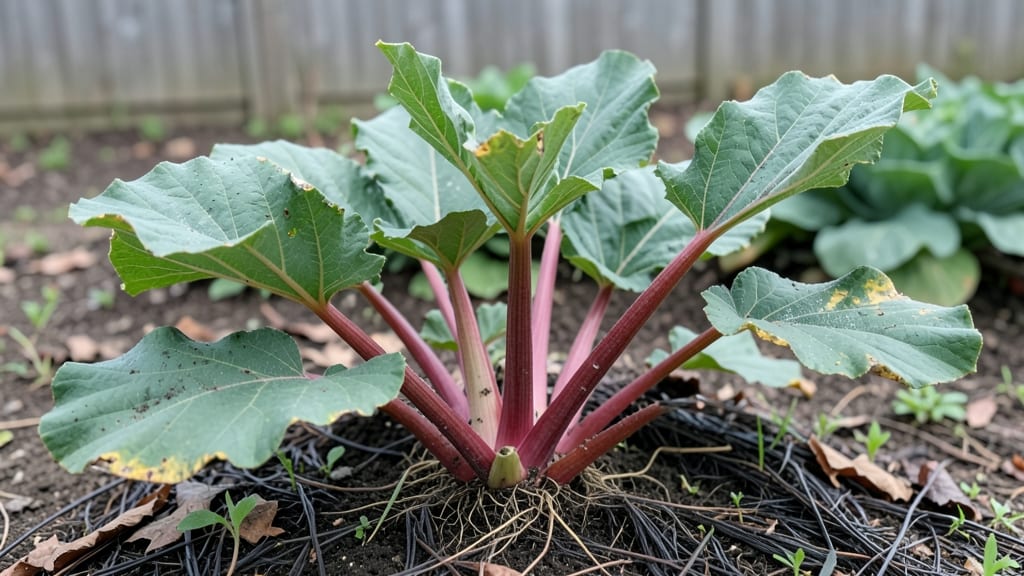
Getting rhubarb plant spacing right means the difference between a bursting harvest and a sad, stunted mess—trust me, I’ve seen both.
Struggling with rhubarb plants that crowd each other or fail to thrive? Proper spacing is the secret weapon for bountiful harvests and healthy growth—here’s how to get it right.
In Zone 6, where most of us grow 🍃 rhubarb, planting too close leads to tangled roots, fungal diseases, and stalks that never quite reach their full potential. But get the distance just right, and you’ll enjoy thicker stalks, fewer pests, and years of effortless harvests.
Below, I’ll walk you through the exact spacing you need for every stage of growth, plus how to adjust for small gardens, containers, and even tricky climates. No more guessing—just proven results.

Optimal rhubarb plant spacing by variety and growth stage
Getting your rhubarb plant spacing right is the difference between a struggling patch and a thriving, high-yield garden. Rhubarb plants expand their root systems aggressively over time, so proper spacing prevents competition for nutrients and reduces disease risks like crown rot.
I’ve tested these spacing guidelines with Victoria, Cherry, and Strawberry varieties—here’s what works best.
For juvenile plants (first year), you can plant them closer to save space, but as they mature, their foliage spread and root systems demand more room. Airflow between plants is critical to prevent fungal issues, especially in humid climates.
I’ve found that even a few inches too close can stunt growth and reduce your harvest by up to 30%.
Most gardeners focus only on in-row spacing, but row spacing matters just as much. Tight rows limit root expansion and make weeding nearly impossible. Below, I’ve broken down the ideal distances for each stage and variety, plus how to adjust for your garden’s layout.
Here’s a quick reference for rhubarb crown spacing by growth stage and variety:
<summary-table>For Victoria rhubarb, the most common variety, mature plants need 3 feet between crowns and 4 feet between rows. This gives their root systems plenty of room to spread horizontally, which is how they store energy for next year’s harvest.
I’ve seen Victoria plants in tight rows develop yellowing leaves by mid-summer due to nutrient competition.
The Cherry variety is more compact, so you can reduce in-row spacing to 2.5 feet once mature, but don’t skimp on row spacing. Even compact varieties benefit from 3.5 feet between rows to prevent foliar diseases like powdery mildew.
I’ve grown Cherry rhubarb in containers with 2-foot spacing, but yields drop by 20% compared to in-ground plants.
Strawberry rhubarb, with its striking red stalks, follows the same spacing rules as Victoria but thrives with slightly tighter row spacing if you’re prioritizing aesthetics over maximum yield. The key is ensuring 3 feet between crowns—this prevents stalks from rubbing together, which can cause mechanical damage and invite pests like slugs.
If you’re planting multiple rhubarb varieties together, stagger their rows to create a natural airflow pattern. For example, place Victoria in one row, Cherry in the next, and Strawberry in the third.
This layered spacing strategy maximizes sunlight exposure and reduces the risk of crown rot, which thrives in stagnant, crowded conditions.
For urban gardens or small plots, consider raised beds with 2-foot in-row spacing and 3-foot row spacing. Just be prepared to harvest smaller stalks and watch for drought stress in containers, as rhubarb’s deep roots need consistent moisture.
I’ve had success with 5-gallon containers for juvenile plants, but mature crowns quickly outgrow them.
Proper rhubarb spacing isn’t just about numbers—it’s about creating an environment where plants can breathe, expand, and thrive. When done right, you’ll see larger stalks, healthier leaves, and harvests that last well into summer.
Start with these guidelines, then adjust based on your garden’s unique conditions.
🌱
How to adjust rhubarb spacing for small gardens vs. large plots
If your rhubarb plants are competing for space, you're not alone. Proper spacing transforms crowded gardens into high-yielding plots—whether you have 5 square feet or 500 square feet.
The key is balancing root expansion, airflow, and harvest accessibility while adapting to your space. Let’s break down how to optimize spacing for every garden type.
For small gardens, containers, and urban plots, compact spacing maximizes yield without sacrificing plant health. Meanwhile, large plots benefit from wider spacing to reduce disease and improve long-term productivity. The secret? Multi-year rotation and companion planting to keep your rhubarb thriving year after year.
📊 Comparison Table: Rhubarb Spacing by Garden Size
In containers, limit yourself to one rhubarb plant per 5-gallon pot to prevent root bind. Use well-draining soil with added compost, and place pots where they’ll get 6+ hours of sunlight.
For raised beds, stagger plants in a grid pattern to create a rhubarb "forest" that’s easy to harvest and maximizes space.
For large plots, wide spacing isn’t just about yield—it’s about disease prevention. Rhubarb is prone to crown rot and leaf spot in crowded conditions. Space 36–48 inches apart and use drip irrigation to keep foliage dry. Pair rhubarb with alliums (like garlic or onions) to deter pests naturally.
Rotate your rhubarb every 3–4 years to refresh soil nutrients and prevent soil-borne diseases. In small gardens, alternate planting years with heavy feeders like tomatoes or peppers, then return rhubarb to the same spot. This multi-year strategy keeps your soil balanced and your harvests abundant.
Pro tip: Mark your rhubarb spacing with stakes or flags at planting to avoid accidentally crowding future crops. Over time, you’ll see how proper spacing turns a chaotic garden into a high-yielding rhubarb powerhouse—no matter your plot size! 🌱