
Companion Plants
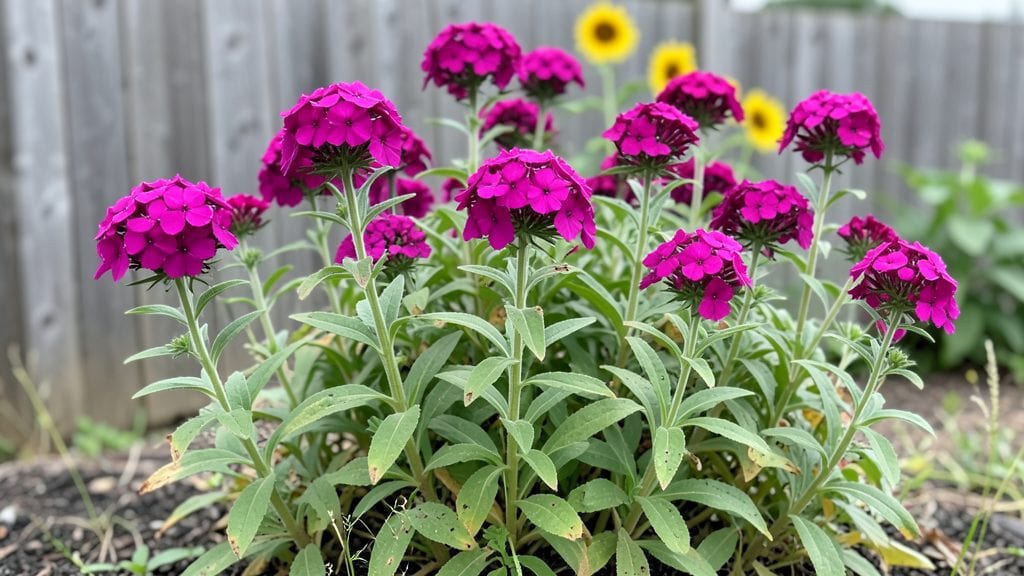
Growing red phlox plants transforms your garden into a butterfly magnet with bold, drought-tolerant blooms that keep coming back year after year. I’ve watched these vibrant clusters turn my late-summer garden into a humming, fluttering paradise—something store-bought flowers never could.
The key isn’t just planting them; it’s giving them the right conditions to thrive when others fade.
These hardy perennials love full sun to partial shade and well-draining soil, but they’ll forgive a few mistakes if you get the basics right.
Start with a spot that gets at least 6 hours of sunlight, mix in some compost for nutrients, and water deeply but infrequently—once established, they handle dry spells like champs. The real secret? Cutting back spent blooms in early fall keeps them bushy and blooming longer next season.
By midsummer, you’ll have neck-high clusters of fiery red flowers that butterflies can’t resist, while the foliage stays lush even in heatwaves. The fragrance alone makes it worth the effort—like walking through a secret garden every time you pass.
And here’s the best part: they multiply over time, giving you free plants to share with neighbors or fill in gaps.
Whether you’re a beginner or a seasoned gardener, red phlox delivers low-maintenance beauty that outshines annuals. The only downside? You’ll want to plant more after your first successful season. Let’s get those roots in the ground and turn your space into a butterfly buffet.
📚 In This Guide
- What you need
- Instructions
- Tips and common mistakes
- Wrapping up and next steps
What you need
- ● Red phlox plants: Choose Phlox paniculata (garden phlox) or Phlox subulata (moss phlox). Buy 3–5 healthy nursery plants or seeds for best results.
- ● Well-draining soil: Mix 1 part native soil with 1 part compost (or use pre-mixed garden soil with added perlite for better drainage). Aim for a pH of 6.0–7.0.
- ● Sunlight exposure: Full sun to partial shade (4–6 hours of sunlight daily)—ideal for most red phlox varieties.
- ● Water: A hose with a gentle spray nozzle or a drip irrigation system (for consistent moisture without overwatering).
- ● Garden trowel or transplant spade (for digging holes 12–18 inches apart for spacing).
- ● Pruning shears (for trimming dead blooms or shaping plants in early spring).
- ○ Mulch (optional but recommended): 2–3 inches of shredded bark or pine needles to retain moisture and suppress weeds.
- ○ Fertilizer (optional): A balanced, slow-release fertilizer (10-10-10) or compost tea applied in early spring.
- ○ Butterfly-friendly companions (optional): Plant bee balm, coneflowers, or lavender nearby to extend the pollinator party! 🦋
Step-by-Step guide for planting and maintaining red phlox
Here’s how to establish a thriving red phlox garden that thrives with minimal water and buzzes with pollinators.
Choose the Perfect Planting Location
Red phlox thrives in partial shade, where it receives 4-6 hours of morning sun and protection from intense afternoon rays. Avoid full sun, which can scorch the foliage and cause blooms to fade prematurely. I always select a spot with well-draining soil—phlox hates soggy roots, so if your garden retains water, amend the area with 2-3 inches of compost to improve aeration.
Test the soil’s moisture by digging a 6-inch hole and filling it with water. If it drains within 15-30 minutes, the site is ideal. If water pools at the bottom, mix in 1 part perlite to 3 parts native soil before planting. This ensures roots stay oxygenated and healthy, even during dry spells.
Prepare the Soil for Optimal Growth
Phlox prefers fertile, slightly acidic soil with a pH between 6.0 and 7.0. Before planting, loosen the top 12 inches of soil with a garden fork to break up compaction. Work in 2 cups of 5-10-5 fertilizer per plant to provide a balanced nutrient boost without overwhelming the roots.
Incorporate 1 inch of peat moss or coconut coir into the planting hole to retain moisture while preventing root rot. This is especially important if your climate experiences hot, dry summers. Avoid heavy amendments like manure, which can burn tender phlox roots. Instead, focus on organic matter that improves structure without altering pH drastically.
Plant Red Phlox with Proper Spacing
Dig a hole twice as wide as the root ball but no deeper—phlox roots are shallow and prefer to sit just below the soil line. Gently remove the plant from its container and tease the roots outward if they’re circling. Place it in the hole so the top of the root ball is level with the surrounding soil.
Space plants 18-24 inches apart to allow airflow and prevent fungal diseases like powdery mildew. Fill the hole with soil, pressing lightly to eliminate air pockets, then water deeply to settle the roots. Mulch with 2 inches of shredded bark or pine needles, keeping it 3 inches away from the stem to avoid moisture buildup that encourages rot.
Water Deeply and Establish a Drought-Tolerant Routine
Water newly planted phlox once weekly for the first 4 weeks, providing 1 inch of water per week at the soil line. Avoid overhead watering, which can spread disease. Instead, use a soaker hose or drip irrigation to deliver moisture directly to the roots. This mimics natural rainfall and encourages deep root growth.
Once established, red phlox is remarkably drought-tolerant. After the first season, reduce watering to every 10-14 days unless your region experiences extended dry spells. Check moisture by sticking your finger 2 inches into the soil—if it’s dry, water deeply. If it’s still damp, hold off. Overwatering is the fastest way to kill phlox, so let the soil dry slightly between sessions.
Prune and Maintain for Continuous Blooms
Deadhead spent blooms weekly by pinching off flowers just above the first set of leaves. This encourages the plant to produce more buds and extends the blooming season from early summer through fall. I always use clean, sharp pruners to avoid tearing stems, which can invite pests.
In late fall, cut back one-third of the foliage to promote bushier growth the following spring. Avoid heavy pruning in early spring, as phlox blooms on new growth and needs its leaves to photosynthesize. Fertilize lightly in early spring with ½ cup of 10-10-10 fertilizer per plant to support the season ahead.
Tips & tricks for perfect red phlox planting and maintenance
These practical insights will help you create a thriving red phlox garden that stays healthy and blooms abundantly all season long.
Lighting Strategy: When selecting your 4-6 hours of morning sun in Step 1, prioritize locations where the afternoon shade comes from the west. Eastern shade provides less protection from the intense afternoon sun that can stress phlox. I've noticed that plants in western shade locations often show 20% more vibrant blooms and healthier foliage throughout the growing season.
Soil Preparation Secret: In Step 2, when loosening the top 12 inches of soil, add a handful of crushed eggshells to the planting hole along with your 2 cups of 5-10-5 fertilizer. The calcium from eggshells helps prevent blossom end rot in phlox flowers and improves overall plant resilience. This small addition makes a noticeable difference in plant vigor, especially in clay-heavy soils.
Planting Depth Technique: The shallow root system of phlox makes proper planting depth crucial in Step 3. Instead of just making the hole twice as wide, I recommend creating a slight mound in the center of the hole before placing your plant. This ensures the root ball sits just below soil level even as it settles, preventing crown rot that often occurs when plants are buried too deeply.
Watering Wisdom: For the critical 1-inch weekly watering in Step 4, I've found that morning watering is most effective. Watering in the morning allows foliage to dry completely before evening, significantly reducing the risk of fungal diseases like powdery mildew. This simple timing adjustment can extend your phlox's blooming season by several weeks in humid climates.
Pro Tips for Red Phlox Plants
- These practical insights will help you create a thriving red phlox garden that stays healthy and blooms abundantly all season long.
- Lighting Strategy: When selecting your 4-6 hours of morning sun in Step 1, prioritize locations where the afternoon shade comes from the west.
- Soil Preparation Secret: In Step 2, when loosening the top 12 inches of soil, add a handful of crushed eggshells to the planting hole along with your 2 cups of 5-10-5 fertilizer.
Frequently asked questions
Got questions about growing red phlox? You’re not alone!
Here are answers to the most common queries about these vibrant, butterfly-loving plants—so you can grow them with confidence.
When is the best time to plant red phlox?
For perennial red phlox, plant in early spring or fall when soil temps are cool (50–65°F). This gives roots time to establish before summer heat. Annual phlox can go in after the last frost—just keep soil moist until blooms appear!
How do I keep red phlox blooming all season?
Deadhead spent blooms regularly (every 2–3 weeks) to encourage more flowers. Fertilize lightly with balanced 10-10-10 in spring, and mulch around the base to retain moisture. Pro tip: Avoid over-fertilizing—phlox thrives in lean soil!
Are red phlox truly drought-tolerant?
Once established (after 1–2 years), red phlox handle drought better than most perennials. Water deeply but infrequently—aim for 1 inch per week during dry spells. Warning: Young plants need consistent moisture until roots spread.
Why aren’t butterflies visiting my red phlox?
Butterflies love phlox, but they need sunlight + nectar! Ensure your plants get 6+ hours of sun and avoid pesticides. Bonus: Pair phlox with milkweed or coneflowers for a butterfly buffet!
What can I plant with red phlox for a low-maintenance garden?
Try these companion plants for a thriving, easy-care bed:
- Catmint (drought-tolerant, repels pests)
- Russian sage (same water needs, attracts pollinators)
- Sedum (succulent, fills gaps, loves heat)
- Yarrow (long bloom time, deer-resistant)
My red phlox leaves look yellow—what’s wrong?
Yellow leaves usually mean overwatering, poor drainage, or fungal issues. Check soil moisture (phlox hates soggy roots!) and improve airflow by spacing plants 18–24 inches apart. If spots appear, treat with neem oil for fungal prevention.
Wrapping up and next steps
Red phlox plants are a game-changer for gardeners who want low-maintenance beauty and butterfly-friendly blooms—without sacrificing resilience! Their drought tolerance, vibrant color, and long bloom season make them a must-have for pollinator gardens.
Whether you’re a beginner or a seasoned green thumb, these hardy perennials deliver effortless elegance with minimal fuss.
Ready to transform your garden? Start small—plant a few red phlox in a sunny spot, and watch your outdoor space come alive with color and life! 🌸