
Planting
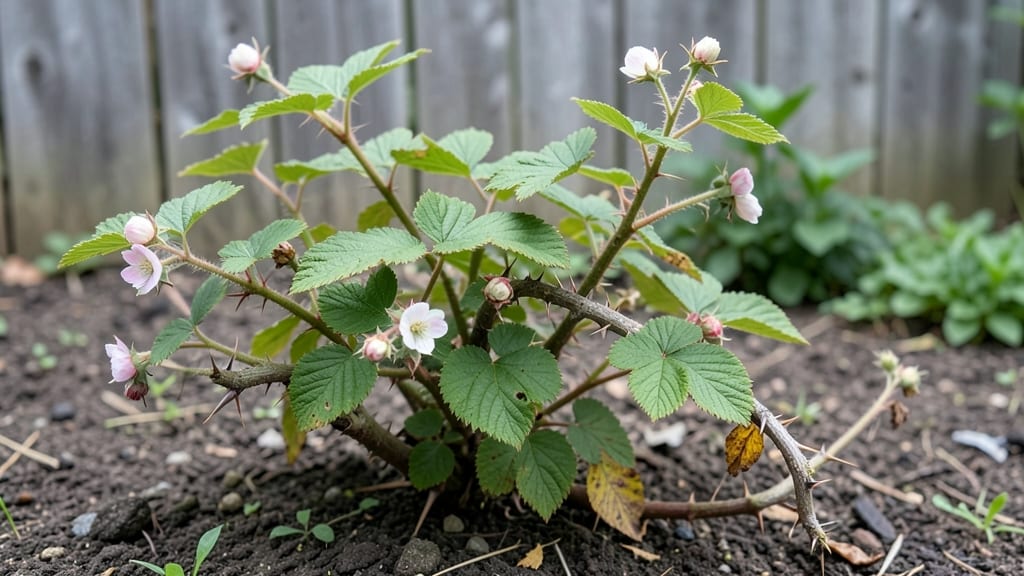
Raspberry plant flowers are the secret to turning your brambles into a pollinator paradise and doubling your harvest. 🌸 I’ve watched my own raspberries go from sparse berries to overflowing baskets once I understood how to nurture those delicate blooms—and it’s easier than you think.
The key lies in knowing when they appear (those first primocanes vs. floricanes) and what they truly need to thrive.
Most gardeners miss the mark by focusing only on pruning or soil, but healthy flowers depend on sunlight, timing, and even a little hand-pollination help.
My raspberries now burst with blooms because I’ve learned to balance pruning with patience, feed them the right nutrients, and invite bees to do the heavy lifting. The result? A harvest that keeps going long after store-bought berries disappear.
You’ll spot the first flowers in early spring on last year’s canes (floricanes), followed by summer blooms on new growth (primocanes). Each type needs slightly different care, but the payoff is the same: vibrant clusters of blooms that turn into sweet, juicy berries.
The trick is preventing common issues like blossom end rot or poor flowering by keeping soil moist but not soggy and avoiding over-fertilizing.
Whether you’re dealing with summer-bearing or everbearing varieties, this approach works. By the end of the season, you’ll have a thriving patch that attracts bees, resists pests, and produces berries far beyond what you’d expect. Let’s get those flowers blooming strong!
📚 In This Guide
- What you need
- Instructions
- Tips and common mistakes
- Wrapping up and next steps
What you need
- ● Raspberry plants: 1–3 healthy canes (bare-root or potted), chosen for your climate (e.g., Rubus idaeus for summer-bearing or Rubus occidentalis for fall-bearing varieties).
- ● Well-draining soil: 1–2 cubic yards of a mix of 60% topsoil, 30% compost, and 10% perlite/sand (adjust for clay-heavy soils with extra perlite).
- ● Organic fertilizer: 1–2 lbs of 10-10-10 NPK or a balanced raspberry-specific blend (e.g., fish emulsion or bone meal for phosphorus).
- ● Mulch: 3–4 inches of straw, wood chips, or pine needles (avoid fresh grass clippings).
- ● Watering system: Drip irrigation kit or soaker hoses (10–20 ft length, depending on patch size).
- ● Garden trowel or transplant spade (for digging).
- ● Pruning shears (sterilized with rubbing alcohol).
- ● Gloves (heavy-duty for thorny varieties).
- ● pH test kit (ideal soil pH: 5.5–6.5).
- ● Stakes or trellis (6-ft bamboo or metal stakes + twine for support).
- ● Pollinator-friendly plants: 1–2 companion plants like lavender, borage, or clover to attract bees and butterflies.
- ● Neem oil (1–2 oz) for organic pest control (e.g., spider mites).
- ● Row covers (frost protection for early blooms).
- ● Journal/notebook to track flowering/fruiting cycles.
Step-by-Step guide to encouraging raspberry plant flowers
Here's how I turn raspberry bushes into pollinator hotspots that produce twice the berries.
🌱 Step 1: Prune for Light and Airflow
Start in late winter by cutting back last year's canes to the ground—these are the fruiting stems from 2023. Keep only the new, thin green canes that emerged last summer, as these will produce this year's flowers. I prune aggressively, removing any dead wood or canes thinner than a pencil, which won't support flowers anyway.
Thin remaining canes to 6-8 per plant for best airflow. Crowded canes lead to fungal diseases that kill flowers before they open. After pruning, rake up and discard all debris—this prevents overwintering pests that would attack new growth.
☀️ Step 2: Feed for Flower Production
When new leaves appear in early spring, apply 1 cup of 10-10-10 fertilizer per plant spread evenly around the base. Raspberries need phosphorus for flower development, and this ratio delivers it. Water immediately after to dissolve the granules and prevent root burn.
I also top-dress with 2 inches of compost around the drip line. Organic matter improves soil structure, helping roots absorb nutrients efficiently. Avoid high-nitrogen fertilizers now—too much leaf growth at the expense of flowers means fewer berries later.
💧 Step 3: Water Deeply During Bloom
Once flower buds form (they look like tiny green cones in late spring), water 1 inch per week at the base. Shallow watering stresses plants and causes buds to drop. I check moisture by pushing my finger 2 inches into soil—if it feels dry, that's your watering cue.
Drip irrigation works best—it delivers water directly to roots without wetting foliage, which prevents fungal diseases like botrytis that rot flowers. Mulch with 3 inches of straw to retain moisture and keep roots cool. Avoid overhead sprinklers during bloom—they can damage delicate petals.
🐝 Step 4: Attract Pollinators
Plant bee-friendly companions like lavender, borage, or clover within 10 feet of your raspberries. These flowers provide nectar that keeps pollinators visiting your raspberry blooms. I also avoid pesticides during bloom—even "organic" sprays can harm bees.
Set up a shallow water source nearby. A simple saucer with pebbles and water gives thirsty bees a safe place to drink. Watch for bees actively moving between flowers—this means pollination is happening. If you see few bees, hand-pollinate by gently shaking canes on calm days to release pollen.
✂️ Step 5: Protect Developing Flowers
Remove any suckers that emerge from the base—these drain energy from flower production. I also tie canes to trellises as flowers appear to prevent wind damage. Use soft twine and leave 6 inches of slack so canes can sway naturally without breaking.
Watch for Japanese beetles or spider mites that target raspberry flowers. If you spot them, spray with neem oil in the evening when bees aren't active. A single infestation can destroy 50% of flowers, so act quickly at first sign of damage.
Tips & tricks for encouraging raspberry plant flowers
Here's what I've learned after years of transforming my raspberry bushes into berry-producing powerhouses.
Pruning Precision: When you're thinning canes to 6-8 per plant in Step 1, look for canes that are pencil-thin or thicker—these are the ones that will support flowers. Thinner canes won't bear fruit, so don't hesitate to remove them completely. I also prune at a 45-degree angle just above a bud, which encourages faster regrowth. This might seem extreme, but trust me—it's worth the initial shock to your bush!
Fertilizer Timing: The key to Step 2's 10-10-10 fertilizer is applying it right when new leaves appear—not before, not after. Too early and the fertilizer sits on dry soil; too late and you miss the window for flower development. I also recommend mixing the fertilizer with the top 2 inches of soil rather than just spreading it on top. This ensures the roots get immediate access to phosphorus, which is what your raspberries need most for blooming.
Watering Wisdom: During bloom in Step 3, that 1-inch weekly watering measurement might seem like a lot, but it's crucial. I've found that morning watering works best—it gives the plants all day to absorb moisture before evening evaporation. And here's a trick: water the soil, not the leaves. I use a soaker hose buried slightly in the soil to deliver water right to the roots without wetting the foliage, which helps prevent those dreaded fungal diseases.
Pollinator Partnership: For Step 4, don't just plant bee-friendly flowers—think about their blooming seasons. Lavender blooms early, borage later, and clover all summer long. This creates a continuous nectar supply that keeps pollinators coming back to your raspberries. I also add a few native wildflowers to my garden—local bees know exactly where to find them, and they'll visit your raspberries too.
Pro Tips for Raspberry Plant Flowers
- Here's what I've learned after years of transforming my raspberry bushes into berry-producing powerhouses.
- Pruning Precision: When you're thinning canes to 6-8 per plant in Step 1, look for canes that are pencil-thin or thicker—these are the ones that will support flowers.
- Fertilizer Timing: The key to Step 2's 10-10-10 fertilizer is applying it right when new leaves appear—not before, not after.
Frequently asked questions
Got questions about raspberry plant flowers?
You’re not alone! Here are answers to the most common queries—from timing to troubleshooting—to help you maximize your harvest.
When do raspberry flowers appear, and how long do they last?
Raspberry flowers typically bloom in early to mid-spring, depending on your climate and variety. Summer-bearing types (like Heritage or Boyne Gold) produce one flush of flowers in spring, which last 2–3 weeks. Ever-bearing varieties (e.g., Heritage or Caroline) may have a second bloom in late summer. Pro tip: Protect flowers from frost—they’re sensitive to temps below 28°F (-2°C)!
Why aren’t my raspberry flowers turning into fruit?
No fruit? Check these culprits:
- Pollination issues: Raspberries need bees/wind. If flowers wilt without fruit, hand-pollinate with a soft brush or attract pollinators with native flowers.
- Cold damage: Flowers killed by late frost? Prune dead blooms to redirect energy to new growth.
- Over-fertilizing: Too much nitrogen = lush leaves, few flowers. Use a balanced 10-10-10 fertilizer instead.
Can I prune raspberry flowers to boost fruit size?
Yes! Selective pruning can improve fruit quality. Remove weak or diseased canes before flowering, and thin clusters to 3–4 buds per cane—this concentrates energy on fewer, larger berries. Do this in late winter/early spring (before buds swell) for best results.
What if my raspberry flowers drop off before fruiting?
Dropping flowers (a process called “bud blast”) often signals stress. Common causes:
- Drought or overwatering (keep soil moist but not soggy).
- Extreme heat or cold (ideal temps: 50–85°F / 10–29°C).
- Pests like spider mites or diseases like cane blight.
Are there raspberry varieties with more noticeable flowers?
If you love the blooms as much as the fruit, try:
- Heritage® (ever-bearing, pink flowers, highly pollinator-friendly).
- Boyne Gold (summer-bearing, vibrant yellow flowers).
- Pink Promise® (ornamental + edible, disease-resistant).
Wrapping up and next steps
Watching your raspberry plant flowers transform into juicy berries is one of the most rewarding parts of gardening! 🌸 These vibrant blooms aren’t just pretty—they’re the secret to a bountiful harvest, drawing in pollinators and ensuring sweet, plump fruit.
Whether you’re a seasoned gardener or just starting, nurturing these flowers is your ticket to a garden full of flavor.
Ready to turn your raspberry patch into a pollinator paradise? Start by observing your plants this season—note which varieties thrive, experiment with companion plants, and keep those blooms happy with consistent care. Your future berry harvests will thank you!