Pruning
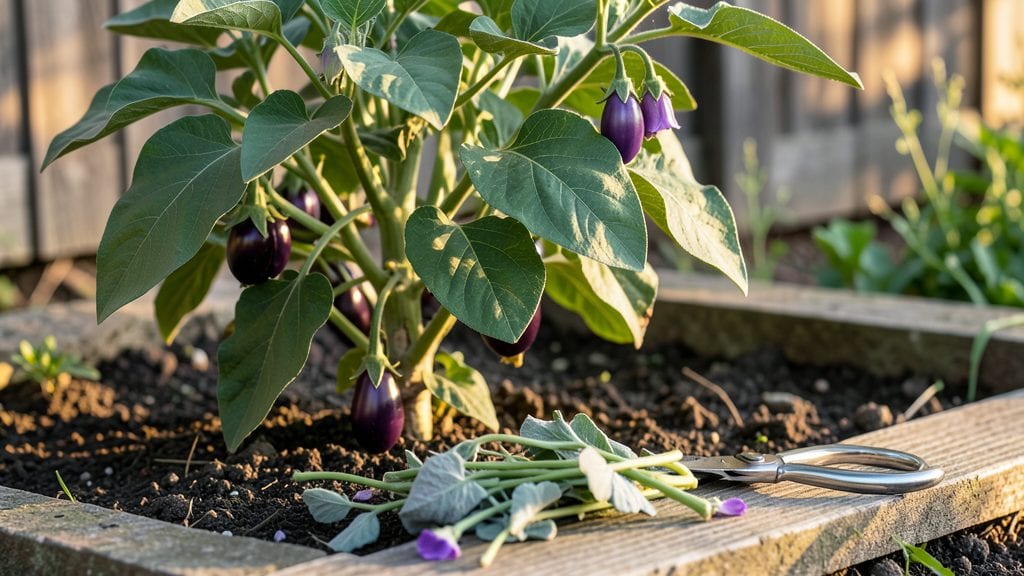
Pruning aubergine plants isn’t just about keeping them tidy—it’s the secret to bigger, healthier fruit and fewer pests. 🌱 I’ve watched my eggplants go from scraggly to producing pound after pound of glossy purple fruit just by making three simple cuts at the right time.
The key isn’t chopping wildly; it’s directing energy where it matters most.
You’ll need sharp pruners (dull blades crush stems), a clear morning for working, and about 15 minutes per plant. Focus on three types of cuts: removing dead leaves, trimming suckers (those little side shoots), and thinning crowded branches.
This isn’t rocket science—just a way to help your plant’s energy go into what you actually want to eat.
By the time summer hits, you’ll be harvesting eggplants that are twice the size of store-bought ones, with fewer blemishes and better flavor. The plants stay bushier, air circulates better, and you avoid the heartbreak of blight spreading through crowded foliage.
It’s the difference between a handful of small fruits and a bounty that makes your neighbors jealous.
Works for both container-grown and in-ground eggplants, whether you’re growing ‘Black Beauty’ or heirloom varieties. The same principles apply no matter your setup—just adjust the scale. Ready to turn those leggy plants into fruit machines?
📚 In This Guide
- What you need
- Instructions
- Tips and common mistakes
- Wrapping up and next steps
What you need
- ● Pruning shears or sharp bypass pruners – Look for sterilized, stainless steel blades (3-4 inch length) to prevent disease spread.
- ● Gloves (garden or cut-resistant) – Protects hands from thorns and rough stems.
- ● Disinfectant (70% isopropyl alcohol or bleach solution) – Clean tools before/after use to avoid bacterial/fungal contamination.
- ○ Small bucket or bag – For collecting pruned branches (optional: compost them!).
- ● Watering can or hose – To hydrate plants post-pruning (1-2 gallons per plant).
- ○ Plant growth regulator (optional) – Spray after pruning to encourage bushier growth (follow label instructions!).
- ● Staking or trellis system – Supports heavier eggplants post-pruning (especially for indeterminate varieties).
- ○ Sunlight meter (optional) – Ensures your plants get 6-8 hours of sun daily for optimal recovery.
- ● Pruning paint or sealing wax – Covers large cuts to prevent rot (only for thick stems >1 inch).
Step-by-Step guide to pruning aubergine plants for bigger harvests
Here’s how I prune aubergines to boost fruit production—no guesswork, just proven techniques.
✂️ Step 1: Remove Suckers for Stronger Growth
Start by identifying the main stem and its branches. Aubergines produce suckers—small shoots that grow between the main stem and leaf axils. These compete for energy, so I remove them early. Use clean, sharp pruning shears to snip suckers at their base, just above the leaf node. This redirects the plant’s energy toward existing branches and fruit development.
Focus on suckers larger than 2 inches—tiny ones won’t drain resources. I prune in the morning when the plant is hydrated and cuts heal faster. If you see a sucker growing directly from the main stem, remove it immediately. This ensures the plant’s energy goes toward fruit rather than unnecessary foliage.
✂️ Step 2: Trim Lower Leaves to Improve Airflow
Once your aubergine plant reaches 12-18 inches tall, start pruning the bottom 3-4 sets of leaves. These lower leaves shade the soil, trap moisture, and encourage fungal diseases like powdery mildew. Use your fingers or shears to gently pinch off leaves at their base, avoiding tears that expose the stem to pathogens.
Leave the top leaves intact—they’re vital for photosynthesis. I aim to create a V-shape in the plant’s structure, allowing sunlight to reach the fruit and center of the plant. This step is critical in humid climates, where stagnant air promotes rot. Prune on a dry day to minimize disease risk.
✂️ Step 3: Thin Fruit Clusters for Larger Eggplants
When fruit begins to form, you’ll see clusters of 2-3 small aubergines growing from the same node. Leave only the healthiest, straightest fruit per cluster—this gives the remaining aubergines room to grow larger. Use your thumb and forefinger to gently twist off excess fruit at the stem base; never cut, as this can damage the plant.
I prioritize fruit positioned mid-to-upper on the plant, as these receive the most sunlight and energy. If you’re growing 4 plants, aim for 1-2 aubergines per plant at first, then thin again as they mature. Overcrowded fruit competes for nutrients, resulting in smaller, misshapen harvests.
⏰ Step 4: Time Pruning for Optimal Recovery
Prune early in the season (first 6-8 weeks of growth) to establish a strong framework. Avoid heavy pruning after mid-summer, as the plant needs foliage to support fruit maturation. I schedule pruning sessions every 2-3 weeks during peak growth, always using sterilized tools to prevent bacterial spread.
Watch for new growth after pruning—this signals the plant is redirecting energy. If you see yellowing leaves or stunted growth, you’ve pruned too aggressively. Aubergines are resilient, but balance is key. Stop pruning 4-6 weeks before your first frost to allow remaining fruit to ripen fully.
Tips & tricks for pruning aubergine plants
Here's what nobody tells you about pruning aubergines—the little details that make all the difference between a decent harvest and a bumper crop.
The Timing Secret: In Step 4, when you're scheduling pruning sessions every 2-3 weeks, I've found that the best time to prune is actually early morning when the plants are fully hydrated. This minimizes stress on the plant and allows cuts to heal faster. If you must prune later in the day, do it at least 4 hours before sunset to give the plant time to recover before nightfall. The goal is to avoid any overnight shock that could slow down new growth.
Tool Intelligence: The instructions mention using clean, sharp pruning shears, but here's the thing—sterilizing your tools between plants is non-negotiable. I use a 10% bleach solution (1 part bleach to 9 parts water) to sterilize shears between each plant, especially if you're working with multiple aubergine plants in close proximity. This prevents cross-contamination of diseases like verticillium wilt, which can devastate your crop. For a more natural approach, you can also use rubbing alcohol on a cloth to wipe down tools between cuts.
Visual Cues for Pruning: When you're thinning fruit clusters in Step 3, look for these visual indicators: healthy aubergines should have smooth, glossy skin and a firm touch. Avoid keeping fruit that's misshapen or has soft spots—these are energy vampires that will drain your plant without producing quality harvests. Also, pay attention to the angle of the fruit—those growing straight up receive the most sunlight and will develop the best flavor.
Seasonal Strategy: The instructions mention stopping pruning 4-6 weeks before frost, but here's my additional tip: if you're in a region with unpredictable weather, I recommend gradually reducing pruning intensity starting 8 weeks before your average first frost date. This gives your plant time to adjust and allocate energy to ripening existing fruit rather than producing new growth that won't mature before cold weather sets in.
Pro Tips for Pruning Aubergine Plants
- Here's what nobody tells you about pruning aubergines—the little details that make all the difference between a decent harvest and a bumper crop.
- The Timing Secret: In Step 4, when you're scheduling pruning sessions every 2-3 weeks, I've found that the best time to prune is actually early morning when the plants are fully hydrated.
- Tool Intelligence: The instructions mention using clean, sharp pruning shears, but here's the thing—sterilizing your tools between plants is non-negotiable.
Frequently asked questions
When is the best time to prune aubergine plants?
Prune your aubergine plants when they’re young (around 12 inches tall) to encourage bushier growth. For established plants, focus on pruning after harvest to redirect energy to new flowers and fruit. Avoid heavy pruning late in the season—it can stress plants before winter.
Do I need to sterilize my pruning tools before cutting?
Sterilize shears with rubbing alcohol or a 10% bleach solution to prevent disease spread. Dirty tools can introduce fungal or bacterial infections, like Fusarium wilt, which can devastate your plants. Always clean tools between cuts for best results.
Will pruning reduce my aubergine yield?
Not if done correctly! Strategic pruning actually boosts yield by improving airflow and focusing energy on fewer, larger fruits. Over-pruning (removing too many leaves or stems) can reduce production, but following the 3-cut method in this guide keeps plants healthy and productive.
Can I prune aubergine plants too much?
Yes—over-pruning weakens plants by removing too many leaves (which produce food via photosynthesis) or stems. Limit cuts to 20-30% of the plant’s foliage at a time. If you see yellowing leaves or stunted growth after pruning, you’ve likely gone too far.
What should I do if my aubergine plant looks stressed after pruning?
Give it time and extra care! Water deeply, provide shade if needed, and avoid fertilizing for a week. Stress often resolves in 5–7 days. If leaves wilt or turn brown, check for pests (like aphids) or disease. A light foliar spray of neem oil can help if issues persist.
Wrapping up and next steps
Pruning your aubergine (eggplant) plants isn’t just about maintenance—it’s your secret weapon for a bountiful harvest! 🌱 By mastering the three strategic cuts (removing suckers, pinching tips, and thinning stems), you’ll boost airflow, direct energy to fruit production, and keep pests at bay.
With the right tools and timing, even beginners can transform their garden into a high-yielding powerhouse.
Now that you’re armed with the know-how, roll up your sleeves and get pruning! Start with your healthiest plants, and soon you’ll be enjoying plump, glossy eggplants straight from your garden. Pro tip: Keep a journal to track which techniques work best for your climate—happy growing!