
Pruning
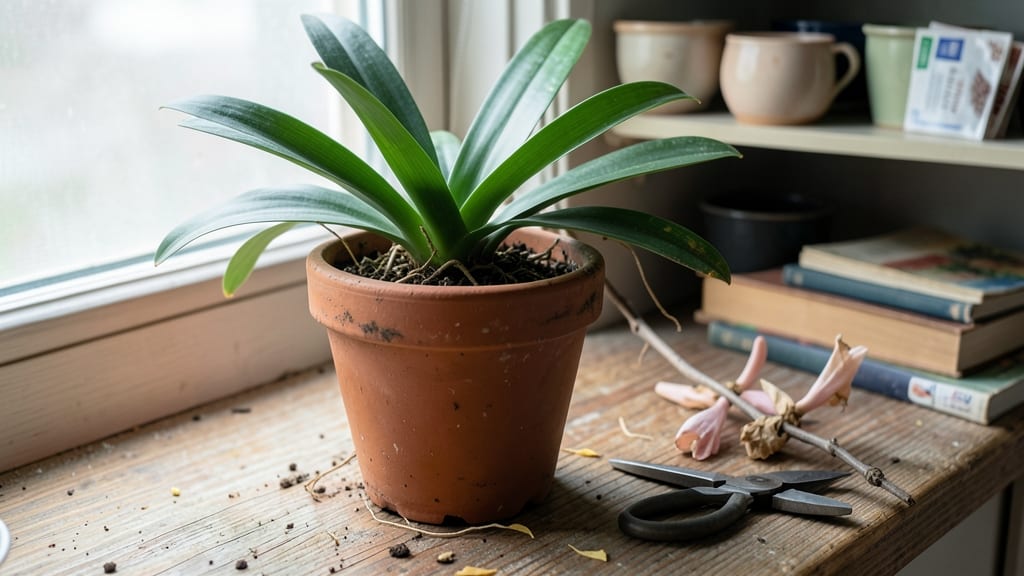
Pruning amaryllis plants after their dramatic blooms fades is the secret to next year’s showstopper flowers—three strategic cuts can double your plant’s energy for bigger, brighter blooms.
I’ve revived struggling amaryllis with this method, and the difference is shocking: plants that once produced two sad stems now burst with six or more. The key timing is right after the flowers wilt, before the foliage turns yellow, when the plant is still storing energy for dormancy.
You’ll only need three tools: clean pruners, rubbing alcohol (to sterilize), and a small pot of fresh potting mix. The process takes less than 10 minutes, and the aftercare is almost hands-off—just keep the plant in bright, indirect light.
Most people overlook the foliage phase, but those long, strap-like leaves are the plant’s fuel tank for next season’s blooms. Skimp on care now, and you’ll get fewer flowers later.
After pruning, your amaryllis will focus all its energy on rebuilding its bulb for next year’s bloom cycle. Expect new growth within 3-4 weeks, and by late summer, you’ll see the classic amaryllis sprout emerging.
The plant will reward you with stronger stems, larger blooms, and a longer flowering season—if you avoid the common mistake of cutting too early or too late. Too soon, and you shock the plant; too late, and you waste stored energy.
This method works for both indoor amaryllis and those you grow outdoors in warm climates. The only real limitation is your patience—amaryllis plants need 9-12 months from dormancy to full bloom, so the payoff comes next season.
But trust me, the first time you see those familiar trumpet-shaped blooms reappear, you’ll understand why the wait is worth it.
📚 In This Guide
- What you need
- Instructions
- Tips and common mistakes
- Wrapping up and next steps
What you need
- ● Sharp pruning shears or scissors – Sterilized (clean with rubbing alcohol) to prevent disease. Avoid dull tools—sharpness = cleaner cuts!
- ● Rubbing alcohol (70% or higher) – For disinfecting tools between cuts (1 small bottle).
- ○ Garden gloves (optional but recommended) – Protects hands from sap and sharp edges.
- ● Newspaper or paper towels – To catch sap and debris (1-2 sheets).
- ● Compost bin or potting mix – For discarded foliage or spent bulbs (if repotting).
- ● Horticultural sealant (e.g., tree wound pruning paste) – To seal cuts if your amaryllis is prone to rot (small jar).
- ● Spray bottle with water – Keeps cuts moist if working in dry conditions.
- ● Notebook & pen – To track pruning dates and bulb health (for serious plant parents!).
- ● Disposable gloves – If you’re squeamish about sap or soil.
Instructions for pruning amaryllis plants
Here’s the straightforward approach I use to keep my amaryllis blooming year after year.
Wait for the Right Time to Prune
Prune your amaryllis only after the blooms have fully faded and the flower stalk has turned brown or yellow. This usually happens 4-6 weeks after flowering, when the stalk feels dry and brittle to the touch. Cutting too early removes the plant’s energy source, while waiting too long can stress the bulb.
I always check the stalk’s base—if it’s still firm and green, hold off. Once it’s completely dried out, it’s safe to prune. This timing ensures the bulb stores energy for next year’s blooms instead of wasting it on a dead stalk.
Cut the Flower Stalk at the Base
Use clean, sharp pruning shears or scissors to cut the flower stalk about ½ inch above the bulb. Avoid tearing the stalk, as jagged cuts can introduce bacteria. A clean cut also looks better and heals faster, reducing the risk of rot.
After cutting, leave the pot undisturbed for 1-2 weeks to allow any remaining moisture in the stalk to dry out completely. This prevents fungal growth, which thrives in damp conditions. If you notice any brown spots or softness near the cut, trim those areas immediately to prevent spread.
Remove Yellow or Damaged Leaves
Inspect the leaves after pruning the stalk. Gently grasp each leaf at the base and tug upward—if it comes off easily, it’s ready to be removed. Healthy leaves will resist slightly. Focus on leaves that are yellow, brown, or mushy, as these drain energy from the bulb.
Leave 2-3 healthy leaves attached to the bulb. These leaves photosynthesize and feed the bulb for next season’s growth. If all leaves are healthy, skip this step entirely. Never remove more than a third of the foliage at once, as this weakens the plant.
Adjust Watering and Light After Pruning
Reduce watering to every 2-3 weeks once the flower stalk is removed. Overwatering now can cause the bulb to rot, especially if the leaves are still active. Let the top 1-2 inches of soil dry out completely between waterings—stick your finger in the soil to check.
Place the pot in bright, indirect light for the next 8-10 weeks. Direct sunlight can scorch the remaining leaves, while too little light weakens the bulb. A east-facing window or a shaded spot near a south window works best. Avoid dark corners, as the bulb needs light to recharge for future blooms.
Prepare for Dormancy (Optional but Recommended)
If you want to encourage larger blooms next year, you can induce dormancy. After the leaves yellow naturally (usually 6-8 weeks after pruning), stop watering entirely. Let the soil dry out completely, and store the pot in a cool, dark place (around 55-65°F) for 8-10 weeks. This mimics winter conditions and helps the bulb store energy.
When you’re ready to rebloom, repot the bulb in fresh soil and resume watering. Place it back in bright light, and within 6-8 weeks, you should see new growth. This extra step isn’t necessary but can make a big difference in bloom size and health.
Tips & tricks for pruning amaryllis plants
These simple strategies will help you keep your amaryllis thriving and blooming beautifully year after year.
Timing is Everything: The 4-6 week window after flowering is critical for pruning. I've learned the hard way that cutting too early can starve your bulb of the energy it needs to store for next season. Wait until the stalk is completely dry and brown all the way down to the bulb—this usually takes about 6 weeks in my experience. The stalk should feel brittle and pull away easily when you gently tug it.
Clean Cuts Prevent Problems: When you're ready to cut that ½ inch above the bulb in Step 2, make sure your pruning shears are sharp and clean. I sterilize mine with rubbing alcohol between uses. A clean cut heals faster and reduces the risk of bacterial infections. If you notice any brown spots or softness near the cut after the 1-2 week drying period, trim those areas immediately to prevent rot from spreading.
Light Matters More Than You Think: After pruning, those 8-10 weeks of bright, indirect light are just as important as the pruning itself. I place my amaryllis in an east-facing window where it gets gentle morning sun. Too much direct sunlight can scorch the leaves, while too little light weakens the bulb. You'll know you're doing it right when you see new growth starting after about 6 weeks—this means your bulb is storing energy properly for next year's blooms.
Dormancy Boosts Blooms: If you're aiming for larger blooms next season, the optional dormancy period is worth trying. I store my amaryllis in a cool, dark closet around 65°F for 8-10 weeks. This mimics winter conditions and helps the bulb focus all its energy on producing a spectacular flower stalk. When you bring it back into bright light, you'll often see new shoots within just 6-8 weeks—proof that the dormancy period worked!
Pro Tips for Pruning Amaryllis Plant
- These simple strategies will help you keep your amaryllis thriving and blooming beautifully year after year.
- Timing is Everything: The 4-6 week window after flowering is critical for pruning.
- Clean Cuts Prevent Problems: When you're ready to cut that ½ inch above the bulb in Step 2, make sure your pruning shears are sharp and clean.
Frequently asked questions
Got questions about pruning your amaryllis? You’re not alone—this vibrant plant can be tricky! Here are some of the most common concerns and straightforward answers to help you keep your amaryllis thriving.
When should I prune my amaryllis after it blooms?
Prune your amaryllis after the flowers fade but before the foliage turns yellow. Trim the flower stalk (scape) about an inch above the bulb, but leave the green leaves intact—they’re powering the bulb for next year’s blooms!
Can I cut the leaves too, or should I leave them?
Never cut the leaves! They’re essential for storing energy in the bulb. Only remove brown or diseased leaves. If the leaves turn yellow, let them die back naturally—the bulb will thank you with bigger blooms next season.
What if I missed the pruning window? Is it too late?
Don’t stress! If you prune late, focus on keeping the plant healthy. Remove dead flowers and leaves, and adjust care (like watering less) to help the bulb rest. Next year, time your cuts better for optimal blooms.
Should I prune my amaryllis differently in winter vs. summer?
Timing matters! Prune after blooming (usually spring/summer) but before dormancy (fall/winter). In winter, avoid pruning—let the plant rest. Focus on watering lightly and keeping it in bright, indirect light.
What if my amaryllis doesn’t bloom after pruning?
No blooms? Check these fixes:
- Light: Amaryllis needs 6+ hours of sunlight daily.
- Water: Keep soil moist (not soggy) during growth, then reduce water in dormancy.
- Patience: Bulbs need 6–8 weeks of rest after blooming to rebloom.
Wrapping up and next steps
Pruning your amaryllis isn’t just about tidying up—it’s the secret to reviving stunning blooms and keeping your plant thriving! By mastering just three simple cuts, you’ll encourage healthier growth, prevent overcrowding, and set the stage for next season’s showstopping flowers. 🌸
Now that you’re armed with the know-how, grab those shears and give your amaryllis the care it deserves! Ready for even more gardening wins? Check out our guide on fertilizing for blooms—your plant’s next masterpiece starts with you!