Companion Plants
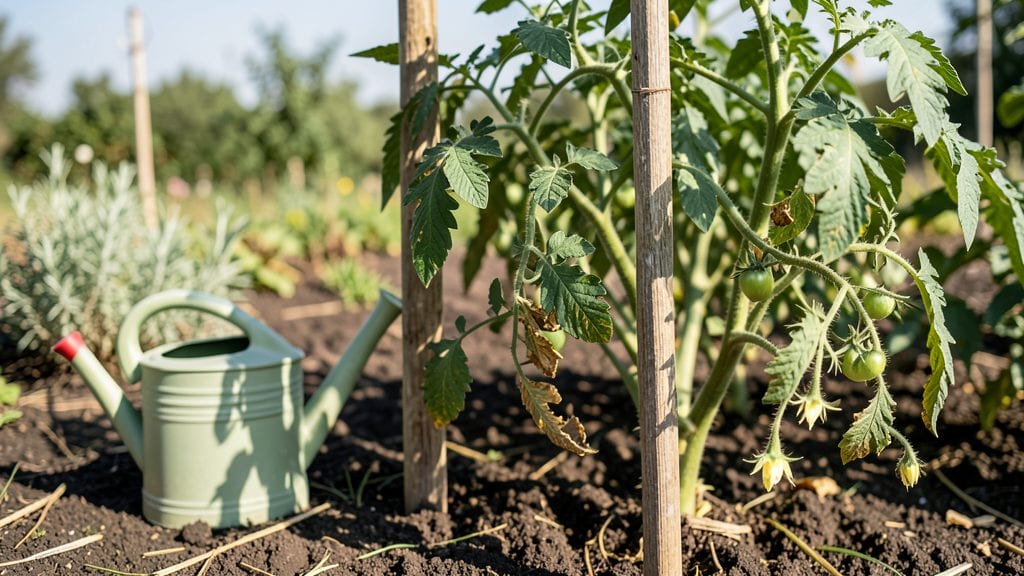
Limp tomato plants flop like overwatered noodles, but the fix isn’t complicated—it’s about diagnosing the real problem first. 🌱 I’ve nursed back more sagging tomato plants than I can count, and the secret isn’t guesswork: it’s checking the roots, leaves, and stems for clues.
Overwatering, disease, or nutrient starvation all look similar at first glance, but each needs a different cure.
Start by pulling one plant gently—healthy roots should feel firm and white, not mushy or brown. Yellow lower leaves? Likely overwatering or poor drainage. Brown spots or wilting in the heat?
Could be disease or sun scald. The good news? Most limp plants bounce back within 3-5 days of the right fix—whether that’s adjusting water, pruning, or adding compost.
Once you’ve revved up those roots, keep them strong with a mulch blanket to retain moisture, a balanced fertilizer, and shade cloth on scorching days. I’ve seen plants that looked dead by noon stand tall by morning after these tweaks.
The goal isn’t just to revive them—it’s to build resilience for the rest of the season.
This works for both garden beds and containers, and the same principles apply whether you’re dealing with cherry tomatoes or beefsteaks. Let’s turn those limp stems into sturdy, productive plants before your next harvest.
Root Causes Of Floppy Growth
When your tomato plants start looking like they’ve had one too many margaritas—limp, droopy, and struggling to stand tall—it’s usually a sign that something’s gone wrong below the soil. Understanding the why behind this wilting is the first step to bringing them back to their full, sun-soaked glory.
Let’s dig into the most common culprits and what’s really making your plants throw in the towel.
Tomatoes are thirsty plants, but too much water is like giving them a soggy sponge instead of a refreshing sip. When soil stays waterlogged, roots suffocate because they can’t access oxygen. This leads to root rot—a fungal or bacterial infection that turns healthy roots mushy and ineffective.
Without strong roots, your plant can’t absorb water or nutrients, causing stems to weaken and leaves to droop.
How to spot it:
- Yellowing leaves (especially lower ones)
- Soil that feels soggy or smells like wet socks
- Plants that wilt even when the soil is moist
Actionable fix: Let the top 1–2 inches of soil dry out between waterings, and ensure pots or garden beds have drainage holes. If root rot is already setting in, trim affected roots and repot in fresh, well-draining soil.
On the flip side, too little water (or scorching heat) forces tomato plants into survival mode. When soil dries out completely, roots shrink and pull away from the soil, reducing their ability to uptake moisture.
Meanwhile, the plant’s cells lose turgor pressure—the internal water pressure that keeps stems rigid. The result? Floppy, sad-looking plants that resemble overcooked noodles.
How to spot it:
- Crispy or curled leaf edges
- Soil that’s bone-dry to the touch
- Wilting that worsens in the afternoon heat
Actionable fix: Water deeply at the base (not the leaves) in the early morning or late evening to reduce evaporation. Mulch around plants to retain moisture, and consider shade cloth if temperatures soar above 90°F (32°C).
Tomatoes are heavy feeders, and when they don’t get enough nutrients—especially potassium, nitrogen, or calcium—their structural integrity suffers. Potassium, for example, regulates water movement in plant cells.
Without it, stems become weak and prone to wilting. Calcium deficiencies can lead to blossom-end rot in fruits and weaken cell walls, making plants more susceptible to collapse.
How to spot it:
- Yellowing between leaf veins (nitrogen deficiency)
- Brown or black spots on fruit (calcium deficiency)
- Stunted growth with weak, rubbery stems
Actionable fix: Test your soil and amend with a balanced fertilizer (like 10-10-10) or targeted supplements (e.g., calcium nitrate for blossom-end rot). Avoid over-fertilizing, as excess salts can also stress roots.
Hidden invaders like aphids, spider mites, or fungal pathogens (e.g., early blight or verticillium wilt) can sap your tomato plants’ strength from the inside out. Pests suck sap, while diseases clog plant vessels, disrupting water and nutrient flow.
The result? A plant that can’t support itself, leading to limp stems and stunted growth.
How to spot it:
- Sticky residue on leaves (aphids)
- Tiny webs or speckled leaves (spider mites)
- Brown spots on stems or leaves (fungal diseases)
- Wilting that spreads unevenly across the plant
Actionable fix: Inspect plants regularly and treat pests with neem oil or insecticidal soap. For fungal diseases, remove affected leaves, improve air circulation, and apply copper fungicide. Prune damaged stems to prevent spread.
Tomatoes have delicate stems, especially when young or overloaded with fruit. Physical trauma—like rough handling, hail, or strong winds—can bruise or snap internal tissues. Even overly vigorous growth (from too much nitrogen) can make stems top-heavy and prone to snapping. Without proper support, the plant collapses under its own weight.
How to spot it:
- Broken or cracked stems
- Uneven wilting on one side of the plant
- Fruit that’s misshapen or falling off
Actionable fix: Use cages, stakes, or trellises to support plants. Prune suckers and excess foliage to reduce weight. If stems are already damaged, gently tie them to a stake with soft plant ties to prevent further injury.
Revive Your Tomato Plants Fast
Now that you know the culprits behind those droopy tomato stems, it’s time to roll up your sleeves and get your plants back on their feet! The good news? Most limp tomato plants can bounce back with the right care—just follow these targeted solutions based on the root cause.
We’ll also share pro tips to keep your plants sturdy and thriving long-term.
If your plants are soggy at the roots or sitting in waterlogged soil, they’ll wilt faster than a salad in the sun. Here’s how to drain the drama:
Step 1: Let the Soil Dry Out 🌞
- Stop watering immediately and move your pots to a shadier spot (if in containers).
- For in-ground plants, avoid watering for 3–5 days to let excess moisture evaporate.
- Pro Tip: Stick your finger 2 inches into the soil—if it’s damp, wait longer.
Step 2: Improve Drainage 🏗️
- Containers? Drill drainage holes if missing, or add a layer of gravel or perlite at the bottom.
- Garden beds? Amend the soil with compost or sand to loosen it up.
- Prevention: Use well-draining potting mix (avoid cheap garden soil—it compacts!).
Step 3: Support Weak Stems 🌿
- Prop up floppy plants with tomato cages or stakes to prevent further stress.
- Gently tie stems to the support with soft plant ties (no wire—it cuts!).
Step 4: Monitor & Adjust 📊
- Water only when the top inch of soil is dry—deep but infrequent watering is key.
- Sign of Success: Leaves should perk up within 24–48 hours if roots aren’t rotted.
Tomatoes love warmth but wilting in scorching heat is a common complaint. Beat the heat with these tricks:
Step 1: Provide Shade 🌳
- Use shade cloth (30–50%) or a lightweight row cover during peak sun (10 AM–4 PM).
- DIY Hack: Drape a white bedsheet over plants for a few hours.
Step 2: Hydrate Deeply 💦
- Water early in the morning (6–8 AM) to reduce evaporation.
- Aim for 1–1.5 inches of water per week (check with a rain gauge).
- Pro Tip: Mulch with straw or grass clippings to retain moisture.
Step 3: Boost Humidity 🌧️
- Mist leaves gently in the evening (avoid wetting foliage in direct sun—it causes spots).
- Group plants together to create a microclimate that holds humidity.
Step 4: Prune for Airflow 🪒
- Trim lower leaves to improve airflow and reduce heat buildup.
- Avoid: Cutting too much—keep 3–4 main stems for support.
Chewed leaves, yellowing, or sticky residue? Pests or pathogens are likely the villains. Act fast!
Step 1: Identify the Culprit 🔍
- Aphids/Whiteflies? Tiny insects clustering on undersides of leaves.
- Blight? Brown spots with yellow halos (common in humid weather).
- Root-Knot Nematodes? Stunted growth + gnarled roots (check by digging gently).
Step 2: Treat Accordingly 🛡️
| Problem | Solution |
|---|---|
| Aphids/Whiteflies | Spray with neem oil (1 tsp per quart of water) or soapy water (1 tbsp mild soap per gallon). Repeat every 3–4 days. |
| Blight | Remove infected leaves immediately. Apply copper fungicide or a baking soda spray (1 tsp baking soda + 1 quart water + drop of soap). |
| Nematodes | Solarize soil (cover with clear plastic for 4–6 weeks in hot sun). Rotate crops next season—never plant tomatoes in the same spot. |
Step 3: Strengthen Defenses 💪
- Fertilize lightly with balanced fertilizer (10-10-10) to boost recovery.
- Prevention: Interplant with basil, marigolds, or nasturtiums—they repel pests naturally!
Yellowing leaves or stunted growth? Your tomatoes might be starving for key nutrients. Fix it with precision:
Step 1: Test Your Soil 📊
- Grab a soil test kit (or send a sample to a local extension office) to check pH and nutrient levels.
- Ideal pH for tomatoes: 6.0–6.8.
Step 2: Add Missing Nutrients 🍽️
- Nitrogen (Yellow Leaves): Side-dress with compost or blood meal.
- Potassium (Weak Stems): Use banana peel tea (soak peels in water for 2 days) or potassium sulfate.
- Phosphorus (Slow Growth): Add bone meal at planting time.
Step 3: Avoid Over-Fertilizing ⚠️
- Too much nitrogen = lush leaves but few tomatoes!
- Too much salt (from synthetic fertilizers) = burned roots.
- Solution: Use organic, slow-release fertilizers like worm castings.
No matter the issue, these universal fixes will help limp plants bounce back:
- Trim the Damaged ✂️
- Snip yellow, brown, or pest-ridden leaves to redirect energy to healthy growth.
- Support Weak Structures 🪵
- Use tomato cages, stakes, or even bamboo skewers to hold plants upright while they recover.
- Folate Spray for a Boost 🌱
- Mix 1 tsp molasses + 1 tbsp seaweed extract + 1 gallon water and spray on leaves for a vitamin shot.
- Rotate Your Plants 🔄
- If in containers, turn pots 180° weekly to ensure even sunlight exposure.
- Stay Patient ⏳
- Recovery takes 3–7 days—don’t give up if they don’t perk up immediately!
💡 Prevention Checklist for Next Season:
- [ ] Soil: Test and amend before planting.
- [ ] Watering: Use drip irrigation or soaker hoses to avoid wetting leaves.
- [ ] Pests: Inspect plants weekly and introduce beneficial insects (ladybugs, lacewings).
- [ ] Support: Install cages/stakes at planting—don’t wait for wilting!
- [ ] Crop Rotation: Avoid planting tomatoes in the same spot for 3+ years.
Frequently asked questions
Why do my tomato plants suddenly collapse even after watering?
This usually signals root rot from overwatering or poor drainage. Check the soil—if it’s soggy and smells musty, roots may be rotting. Stop watering immediately, improve drainage (add perlite or sand), and trim any mushy roots before repotting in fresh soil.
Can I save tomato plants with brown, crispy leaves but still green stems?
Yes! This often means underwatering or heat stress. Water deeply at the base in the morning, mulch heavily, and provide afternoon shade. Trim crispy leaves to reduce water loss, and expect recovery within 2-3 days if roots are healthy.
What’s the fastest way to tell if limpness is from pests vs. disease?
Look for physical clues: Pests (like aphids) leave sticky residue or tiny webs, while diseases (like blight) show brown spots with yellow halos. Check leaf undersides first—pests cluster there. For diseases, examine stems for dark streaks or lesions.
Will pruning help limp tomato plants recover?
Prune yellow leaves, suckers, and damaged stems to redirect energy to healthy growth. Focus on improving airflow—remove crowded foliage. Just avoid cutting more than 25% of the plant at once to prevent additional stress.
How often should I fertilize limp tomato plants?
Lightly! Over-fertilizing burns roots. Use a balanced fertilizer (10-10-10) every 3-4 weeks during active growth, but skip it if leaves are already yellow (sign of excess nitrogen). For recovery, focus on water and support first.