
Picking
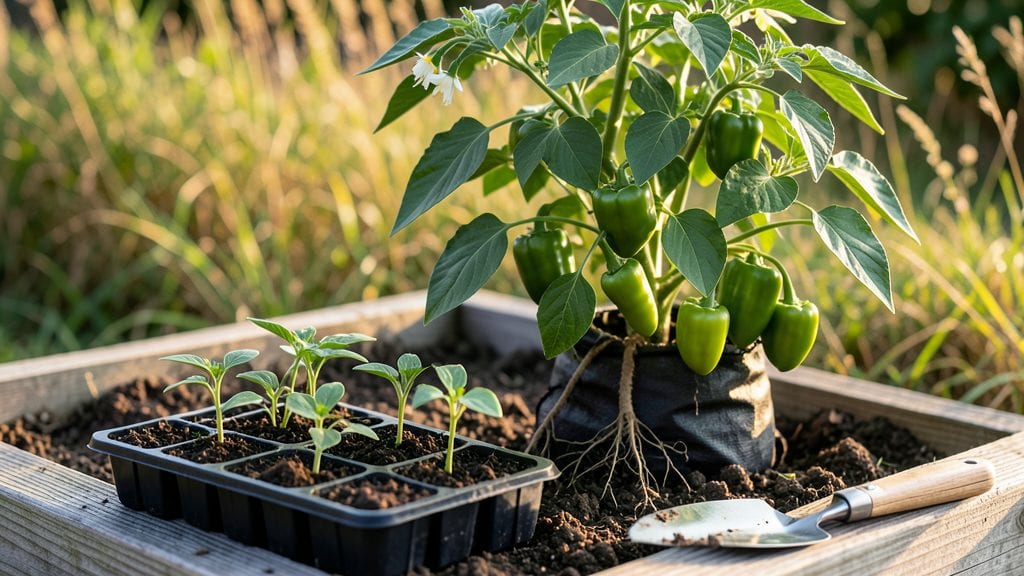
Planting with peppers transforms a summer garden into a spice cabinet you can harvest from. 🌶️ I learned the hard way that peppers need more than just dirt—they demand warmth, sunlight, and soil that feels like a five-star resort for roots.
My first batch flopped when I ignored these basics, but now I grow enough jalapeños and bell peppers to share with neighbors.
The secret starts with soil that drains like a dream but holds moisture like a sponge. Mix in compost until the mix looks dark and crumbly, then add a handful of aged manure for that extra kick.
Peppers also crave 6+ hours of direct sun daily, so choose the sunniest spot you’ve got—even a west-facing bed works better than a shady corner. For indoor starts, a sunny windowsill or grow light keeps seedlings from stretching like overgrown weeds.
By mid-summer, you’ll be snapping off peppers that taste fresher than anything from the store. The plants stay productive for weeks, and with proper spacing (18-24 inches apart), they don’t fight for nutrients.
Even my black thumb can’t kill these when I follow these steps—though I still lose one to a squirrel every season.
Works for both garden beds and containers, and the same rules apply whether you’re growing sweet bells or fiery habaneros. Here’s how to set it up without the guesswork.
📚 In This Guide
- What you need
- Instructions
- Tips and common mistakes
- Wrapping up and next steps
What you need
- ● Pepper Seeds or Seedlings: Choose heirloom, hybrid, or hot varieties (e.g., jalapeños, bell peppers, habaneros). Start with 5–10 plants for a small garden or 20+ for a bountiful harvest.
- ● Seedlings: Opt for healthy, sturdy plants with 2–3 sets of leaves (available at nurseries or garden centers).
- ● Containers or Garden Bed: Containers: Use 5-gallon pots or larger (peppers need room!). Ensure they have drainage holes.
- ● Garden Beds: Select a spot with 6+ hours of direct sunlight daily and well-draining soil.
- ● High-Quality Potting Mix or Soil: 50% potting mix + 50% compost (or a pre-mixed pepper-specific blend). Avoid garden soil—it’s often too dense!
- ● Fertilizer: Balanced fertilizer (e.g., 10-10-10) or organic options like composted manure or fish emulsion. Follow package rates for seedlings (½ strength) and mature plants (full strength).
- ● Gloves (to protect from thorns and soil-borne pathogens).
- ● Trowel or Transplant Spade (for digging and planting).
- ● Watering Can or Hose with Adjustable Nozzle (peppers hate soggy roots!).
- ● Mulch (straw, wood chips, or black plastic to retain moisture and suppress weeds).
- ○ Support Stakes or Cages (optional but helpful for tall varieties like bell peppers).
- ● Warmth: Peppers thrive in temperatures above 60°F (15°C). Wait until after the last frost or start indoors 8–10 weeks before transplanting.
- ● pH-Balanced Soil: Test your soil—peppers prefer a pH of 6.0–7.0. Adjust with lime (to raise pH) or sulfur (to lower pH) if needed.
- ● Patience: Peppers take 60–90 days to mature, depending on the variety. Plan ahead!
- ● Row Covers (to protect young plants from pests or late frosts).
- ● Copper Tape (to deter slugs and snails).
- ● Growth Regulator Spray (like seaweed extract, to boost fruit production).
- ● Pruning Shears (for trimming excess foliage and encouraging fruit growth).
Step-by-step guide for planting peppers like a pro
Peppers thrive when you nail these three things: warm soil, bright light, and the right spacing.
🌱 Step 1: Prep the Soil for Maximum Heat-Loving Growth
Peppers demand well-draining soil that stays warm—cold roots stall growth. Mix the 2 bags of compost into the 4 cubic feet of garden soil until it’s loose and crumbly. I like to add a handful of 10-10-10 fertilizer per planting spot to give them a nutrient boost right away. Work the mixture to a depth of 12 inches, breaking up any compacted areas.
Here’s the thing—peppers hate soggy feet. If your soil drains poorly, add 1 gallon of perlite to the mix to lighten it up. You’ll know you’ve done it right when the soil holds moisture but doesn’t feel like wet clay when squeezed.
☀️ Step 2: Plant Transplants at the Right Depth and Spacing
Peppers need full sun—at least 6-8 hours daily—so pick a spot where they’ll get unfiltered light. Dig holes just deep enough to bury the roots but not the stem—planting too deep can rot the base. Space them 18 inches apart in rows 2 feet apart to allow airflow and easy harvesting.
I always firm the soil gently around the base after planting to eliminate air pockets. Water deeply right after—1 gallon per plant—to help roots settle. Avoid wetting the leaves; aim the water at the soil instead.
💧 Step 3: Water Deeply and Keep Soil Warm
Peppers are drought-sensitive but hate wet feet. Water once a week with 2 gallons per plant, soaking the soil to a depth of 6 inches. You’ll know it’s enough when water runs out the drainage holes if you’re container-growing, or when the top 2 inches of soil feel moist.
To keep roots warm, lay down 1 square yard of black plastic mulch around each plant. This traps heat, speeds up growth, and suppresses weeds. If you’re in a cooler climate, wait until soil temps hit at least 65°F before planting—peppers won’t germinate or grow well below that.
✂️ Step 4: Prune and Support for Bigger Harvests
Once plants hit 12 inches tall, trim any leaves touching the soil to prevent disease. Use 2 bamboo stakes per plant to prop them up—peppers get top-heavy with fruit. Tie stems loosely with 1 roll of twine to avoid restricting growth.
Here’s where it gets fun: pinch off the first few flowers if you want bigger peppers later. This redirects energy to the plant’s structure. You’ll see stronger stems and more robust fruit development in just a few weeks.
Tips & tricks for perfect pepper planting
Between us, these small details make the biggest difference in your pepper harvest—trust me, I've seen soggy roots and stunted growth from skipping them.
Soil Test First: Before mixing your 2 bags of compost into the 4 cubic feet of garden soil, do a quick soil test with a moisture meter. Peppers need soil that drains like a sponge—not like wet cement. If your soil holds water for more than 15 minutes, add that 1 gallon of perlite right away. The ideal mix should crumble easily between your fingers when dry, not stick together.
Sunlight Secret: Those 6-8 hours of daily sun are non-negotiable, but here's the trick: position your plants so they get morning sun first. The cooler morning light helps prevent sun scorch on tender leaves. I also avoid planting near tall plants that might shade them as they grow—peppers are divas when it comes to light.
Watering Wisdom: When you're giving each plant those 2 gallons weekly, focus on deep watering—not frequent light sprinkles. Use a trowel to dig down 6 inches and check moisture—if it's dry, water again. The top 2 inches should stay moist, but the soil below should be damp, not soaked. This prevents both drought stress and root rot.
Mulch Magic: That 1 square yard of black plastic mulch isn't just for heat—it's also a weed barrier. Lay it down after planting, leaving a small gap around the stem. The mulch will warm the soil to at least 65°F faster than bare soil, and it keeps moisture locked in. Pro tip: Cut small holes in the mulch where you water to prevent water pooling on the plastic.
Pro Tips for Planting With Peppers
- Between us, these small details make the biggest difference in your pepper harvest—trust me, I've seen soggy roots and stunted growth from skipping them.
- Soil Test First: Before mixing your 2 bags of compost into the 4 cubic feet of garden soil, do a quick soil test with a moisture meter.
- Sunlight Secret: Those 6-8 hours of daily sun are non-negotiable, but here's the trick: position your plants so they get morning sun first.
Frequently asked questions
Got questions about planting with peppers? You’re not alone! Here are some of the most common concerns—plus quick, actionable answers to help you grow like a pro.
When is the best time to plant peppers?
Peppers hate cold soil. Wait until after the last frost date (usually 2–3 weeks after soil temps hit 60°F+) or plant in biodegradable pots 4–6 weeks before the last frost. If your growing season is short, opt for fast-maturing varieties like ‘Early Jalapeño’ or ‘Carolina Wonder.’
Can I plant peppers in containers? What size should they be?
Peppers thrive in containers as long as they get 5–6+ gallons of space per plant (bigger for bushy varieties). Use well-draining potting mix with added compost, and place pots in full sun (6+ hours/day). Just avoid shallow planters—they dry out too fast!
How do I prevent pests like aphids or hornworms from destroying my peppers?
Start with healthy soil (compost + neem cake) to boost plant resilience. For pests:
- Handpick hornworms (they’re green with white stripes—easy to spot!).
- Spray neem oil or insecticidal soap on aphids early morning/evening.
- Attract beneficial predators like ladybugs or lacewings with dill or marigolds nearby.
What if my pepper plants look leggy or weak after transplanting?
Leggy peppers usually mean too little light or overcrowding. Fix it by:
- Moving plants to a sunnier spot (peppers need 6–8+ hours of direct sun).
- Pruning lower leaves to improve airflow and reduce stress.
- Using a balanced fertilizer (10-10-10) to encourage bushier growth.
Can I replant peppers in the same spot every year?
Peppers are heavy feeders and can deplete soil nutrients, so rotate crops every 2–3 years. If you replant in the same spot, amend the soil with 3–4 inches of compost and a balanced fertilizer (like 5-5-5). Avoid planting peppers (or tomatoes/eggplants) in the same bed year after year to prevent disease buildup.
What’s the easiest pepper variety for beginners?
Start with mild, disease-resistant varieties like:
- Bell Peppers (‘California Wonder’ or ‘Jupiter’): Sweet, forgiving, and productive.
- Jalapeños (‘Early Jalapeño’): Compact, fast-growing, and great for cooking.
- Shishito Peppers: Tolerate cooler temps better than most and are super easy to grow.
Wrapping up and next steps
Planting with peppers is your golden ticket to a bountiful harvest of fiery flavors—just remember, they thrive in sun-soaked soil with the right companions and care. Whether you're a seasoned gardener or a curious beginner, these tips will help you grow peppers that pop with color and zest.
Now that you’re armed with the know-how, roll up your sleeves—it’s time to dig in, plant, and watch your garden transform into a spicy paradise! 🌱✨
Your next step? Start small—pick a sunny spot, grab your seeds, and let the adventure begin! 🌿