
Pruning
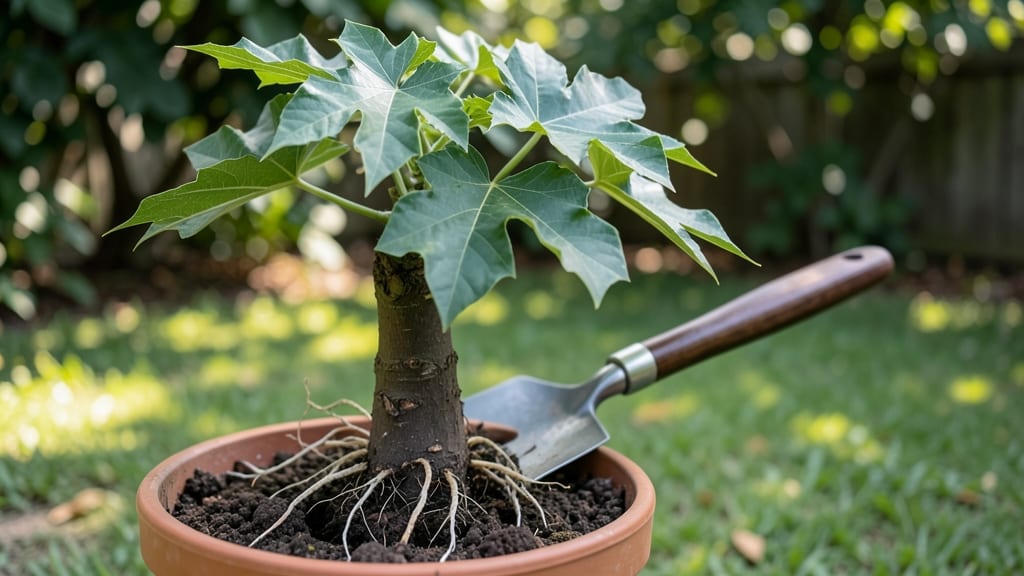
Planting a jackfruit tree isn’t just about growing fruit—it’s about bringing a taste of the tropics to your yard, even if you’re not in Hawaii. 🌿 I’ve learned the hard way that these trees thrive with the right prep, and skipping steps means struggling with stunted growth or worse.
The key is mimicking their natural habitat: rich, well-draining soil, plenty of sunlight, and protection from cold snaps that can kill them back to the ground.
You’ll need a young tree (3–5 feet tall) from a reputable nursery, a hole twice as wide as its root ball, and a spot where temperatures stay above 25°F—unless you’re in a frost-free zone.
Container growing is possible, but only for dwarf varieties in large pots (at least 15 gallons), and even then, you’ll need to bring them indoors when nights dip below 50°F. The payoff? Sweet, custard-like fruit that ripens in 8–12 months after flowering.
First-year care is simple but critical: water deeply twice a week (more in summer), mulch heavily to retain moisture, and prune only to shape—never to control size. These trees grow 50–100 feet tall in ideal conditions, so plan for space or regular trimming.
The biggest challenge? Cold sensitivity. If you live in Zone 9 or below, grow in containers or dig up the roots before frost hits.
Here’s the secret weapon: a black plastic mulch in winter to protect roots from temperature swings. It’s not foolproof, but it buys you time. With the right setup, you’ll see your first flowers in 3–5 years, and the first harvest will taste like a vacation.
Let’s get that tree in the ground!
📚 In This Guide
- What you need
- Instructions
- Tips and common mistakes
- Wrapping up and next steps
What you need
- ● Jackfruit seeds or saplings: 1-2 healthy seeds (or a 1-2 ft tall nursery-grown sapling for faster results). Pro tip: 💡 Choose seeds from ripe, organic jackfruit for better germination rates.
- ● Well-draining soil: 5-10 lbs of a mix of topsoil, compost, and perlite/sand (ratio: 60% soil, 30% compost, 10% perlite). Jackfruit trees hate soggy roots!
- ● Pot or planting hole: For seeds: A 6-inch diameter pot with drainage holes (or a 12-inch hole if planting directly in the ground).
- ● For saplings: A 12-18 inch pot or a 2 ft x 2 ft x 2 ft hole.
- ● Organic fertilizer: 1 lb of balanced fertilizer (10-10-10) or composted manure (like cow or chicken manure) to kickstart growth.
- ● Mulch: 2-3 inches of wood chips or straw to retain moisture and regulate soil temperature.
- ● Garden trowel or shovel (for digging pots/holes)
- ● Watering can or hose (with a gentle spray nozzle)
- ● Pruning shears (for trimming dead leaves or adjusting shape as it grows)
- ○ pH testing kit (optional but helpful—jackfruit thrives in 6.0-7.5 pH)
- ○ Grow lights or shade cloth (optional for cooler climates—provides 6+ hours of indirect light daily)
- ● Sunlight: Full sun (6+ hours/day)—jackfruit is a tropical diva! Use a south-facing window or greenhouse if indoors.
- ● Temperature: Ideal: 70-90°F (21-32°C).
- ● Minimum: 50°F (10°C)—avoid frost! Use a heat mat or indoor setup if temps drop.
- ● Watering routine: Keep soil consistently moist but not waterlogged (especially in the first 3 months).
- ● Patience: Seeds take 6-12 months to sprout; saplings bear fruit in 3-5 years!
Step-by-Step instructions for planting jackfruit trees
Here’s how to establish strong, thriving jackfruit trees—whether you’re in a frost-free zone or container-gardening in cooler climates.
🌱 Step 1: Select and Prepare Your Planting Site
Jackfruit trees thrive in full sun (6+ hours daily) and well-draining soil with a pH of 5.5–7.0. If your soil is heavy clay, amend it with 2–3 inches of compost and 1 inch of coarse sand to improve drainage. I always test drainage first by digging a 12-inch-deep hole—if water pools after 30 minutes, raise the planting area or choose a container with drainage.
For container growing, use a 5-gallon pot (minimum) with drainage holes and a mix of 60% potting soil, 20% perlite, and 20% coconut coir. Place the pot in a sunny spot where temperatures stay above 50°F—jackfruit is tropical and won’t tolerate frost. If you’re in a cold climate, keep the tree indoors near a south-facing window or under grow lights during winter.
🪴 Step 2: Plant Your Jackfruit Tree
Dig a hole twice as wide as the root ball but no deeper—jackfruit roots spread horizontally, not downward. Gently loosen the roots if they’re circling in the container, then place the tree so the top of the root ball sits level with the ground. Backfill with native soil, pressing lightly to remove air pockets but avoiding compaction.
For container planting, fill around the root ball with your pre-mixed soil, leaving a 1-inch gap at the top for watering. Water deeply immediately after planting to settle the soil and encourage root contact. You’ll know it’s right when the soil surface looks slightly damp but not soggy—jackfruit roots rot easily in waterlogged conditions.
☀️ Step 3: Water and Mulch for Optimal Growth
Water deeply 2–3 times per week during the first year, ensuring moisture reaches 6–12 inches down. Let the top 2 inches of soil dry between waterings to prevent fungal issues. Overwatering is the fastest way to kill a young jackfruit—its roots need oxygen, not soggy conditions. I use a soaker hose to deliver water slowly at the base, avoiding wetting the leaves.
Apply a 2-inch layer of organic mulch (like wood chips or straw) around the base, keeping it 6 inches away from the trunk to prevent rot. Mulch conserves moisture, regulates soil temperature, and slowly releases nutrients. Replenish it annually, and watch for new growth within 4–6 weeks—that’s your sign the tree is establishing roots.
✂️ Step 4: Prune and Fertilize for Fruit Production
Prune lightly in late winter to remove dead or crossing branches, focusing on open-center growth to maximize sunlight penetration. Jackfruit trees flower on new wood, so avoid heavy pruning—you’ll sacrifice next year’s fruit. I trim only to shape the canopy, using sterilized pruners to prevent disease. After pruning, apply a balanced 10-10-10 fertilizer (follow label rates) to support regrowth.
For container-grown trees, fertilize every 4–6 weeks during the growing season (spring through fall). You’ll notice larger, glossier leaves within weeks—this means the tree is thriving. If leaves yellow, flush the soil with water to leach excess salts, a common issue with container growing. Patience is key: jackfruit trees take 3–5 years to bear fruit, but proper care now ensures a bountiful harvest later.
Tips & tricks for perfect jackfruit tree planting
Here's what I've learned from years of growing jackfruit trees—these small details make all the difference between a struggling plant and a thriving tropical giant.
Soil Drainage Test: That 30-minute drainage test in Step 1 is non-negotiable. I've seen too many jackfruit trees fail because people skipped this step. If water pools after 30 minutes, you absolutely need to raise the planting area or use containers with drainage holes. Jackfruit roots can't survive waterlogged conditions—think of it as their version of drowning.
Root Ball Positioning: In Step 2, when placing your tree, the top of the root ball should sit level with the ground—not buried, not exposed. I've made the mistake of burying it too deep, which caused the trunk to rot. For container trees, that 1-inch gap at the top is crucial for proper watering—it prevents water from pooling around the stem.
Mulch Application: That 2-inch layer of mulch in Step 3 isn't just decoration—it's your tree's insulation system. Keep it 6 inches away from the trunk to prevent rot, and remember to replenish it annually. I've noticed trees with fresh mulch show new growth within 4-6 weeks, while neglected ones struggle. The mulch also helps maintain that ideal soil temperature above 50°F during cooler months.
Fertilizer Timing: The 4-6 week fertilization schedule in Step 4 works best when you apply it after pruning. I've found that waiting until after the late winter prune gives the tree time to recover before adding nutrients. For container trees, that yellowing leaves warning sign is your cue to flush the soil—it's often a salt buildup issue from over-fertilizing.
Pro Tips for Planting Jackfruit Tree
- Here's what I've learned from years of growing jackfruit trees—these small details make all the difference between a struggling plant and a thriving tropical giant.
- Soil Drainage Test: That 30-minute drainage test in Step 1 is non-negotiable.
- Root Ball Positioning: In Step 2, when placing your tree, the top of the root ball should sit level with the ground—not buried, not exposed.
Frequently asked questions
Got questions about growing your own jackfruit tree? You’re not alone! Here are some of the most common concerns—plus straightforward answers to help you succeed.
Can I grow a jackfruit tree in a cooler climate?
Jackfruit thrives in tropical or subtropical zones (USDA Hardiness Zone 10-11), but with patience and care, you can try growing it in cooler areas. Plant in a large container and bring it indoors during winter. Alternatively, choose cold-hardy varieties like Artocarpus heterophyllus and protect it from frost with mulch or a greenhouse.
When is the best time to plant a jackfruit tree?
The ideal time to plant jackfruit is during the early spring or late summer, when temperatures are warm but not extreme. This gives the tree time to establish roots before the heat of summer or cold of winter. If planting in containers, you can start anytime, but avoid extreme weather conditions.
How long does it take for a jackfruit tree to bear fruit?
Jackfruit trees are slow growers—expect it to take 5 to 7 years before your tree produces its first fruit, depending on growing conditions. Dwarf varieties may fruit slightly sooner (3-5 years), but patience is key! Provide consistent care, and you’ll be rewarded with delicious jackfruit in no time.
What pests or diseases should I watch out for?
Common pests include fruit flies, mealybugs, and scale insects, while diseases like root rot and anthracnose can be problematic in humid climates. Monitor your tree regularly, prune for airflow, and use organic pesticides if needed. Keep soil well-draining to prevent fungal issues.
Can I grow jackfruit from seed, or should I buy a sapling?
While you can grow jackfruit from seed, it may take 10+ years to bear fruit—and the tree might not produce fruit identical to the parent. For faster results, buy a grafted sapling from a reputable nursery. Grafted trees are more reliable and productive!
How much space does a jackfruit tree need?
Jackfruit trees are large—mature trees can reach 60-100 feet tall with a spread of 30-50 feet. If planting outdoors, ensure plenty of space, or opt for a dwarf variety (like ‘Chalermthong’ or ‘Kohala’) if growing in containers. Always check the root spread before planting!
Wrapping up and next steps
Planting a jackfruit tree is a rewarding journey that brings tropical flavors and lush greenery to your space—no matter where you live! 🌱 With the right soil, sunlight, and care, you’ll soon enjoy its delicious fruit and stunning foliage.
Now that you’re equipped with the knowledge, take the first step by gathering your supplies and preparing your planting site.
Ready to grow? Start today—your future jackfruit harvest awaits! 🍈