
Propagation
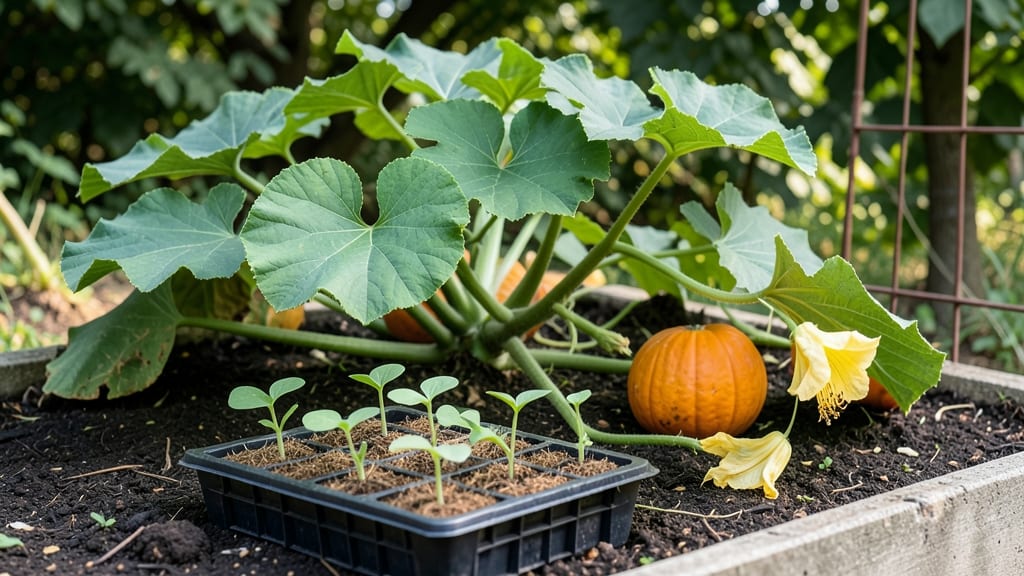
Planting giant pumpkin seeds isn't just gardening—it's a challenge that turns your backyard into a pumpkin-growing arena. 🌱 I've grown 100-pound monsters by mastering the soak, stratify, and nurture process, and I'll show you exactly how to do it without the trial-and-error headaches.
The key starts before the seed even hits the soil, and skipping these steps means watching your vines struggle while others thrive.
You'll need a few simple supplies: a bucket for soaking, a damp paper towel for stratification, well-draining soil mix, and space—lots of it. Giant pumpkins demand at least 50 square feet per plant, and their vines stretch 20+ feet in all directions.
Think of it like training for a marathon, but for your garden. The payoff? Pumpkins so massive they look like they belong in a fairy tale, not your compost pile.
By following the soak-and-stratify method, you'll see sprouts in just 7-10 days, and those vines will grow with shocking speed. Proper watering keeps the soil damp but never soggy, and a trellis or sturdy fence becomes your secret weapon for managing those sprawling tendrils.
The first harvest-ready pumpkins appear around 90-110 days, and if you time it right, you could end up with the biggest pumpkin at your local weigh-off.
This method works in zones 3-10, though southern gardeners need to watch for heat stress. Northern growers get an extra month to let the vines mature.
The real magic happens when you combine these techniques with consistent care—your neighbors will be asking for cuttings by October, and you'll finally have the answer to "How do they get those things so big?"
📚 In This Guide
- What you need
- Instructions
- Tips and common mistakes
- Wrapping up and next steps
What you need
- ● Giant pumpkin seeds: 5–10 seeds (look for Atlantic Giant, Howden, or Dill’s Atlantic Giant varieties).
- ● Seed-starting mix: 1–2 gallons of sterile, well-draining potting soil (avoid garden soil—it can harbor diseases!).
- ● Biodegradable seed pots or peat pellets: 6–10 units (3–4 inches deep) for early germination.
- ● Large containers or grow bags: 5-gallon minimum (or bigger!) for transplanting seedlings.
- ● Fertilizer: Balanced 10-10-10 or 5-5-5 fertilizer for early growth.
- ● High-potassium (0-0-50) fertilizer for flowering/fruiting (once vines start spreading).
- ● Watering can or hose with gentle spray nozzle: For consistent moisture without damaging seeds.
- ● Plastic wrap or humidity dome: To retain moisture during germination.
- ○ Garden twine or stakes: For trellising vines (optional but highly recommended for giant varieties!).
- ● Pruners or scissors: For trimming excess vines (once plants mature).
- ● pH test kit: To ensure soil pH is 6.0–6.8 (giant pumpkins thrive in slightly acidic soil!).
- ● Row covers or frost cloth: To protect seedlings from late frosts (giant pumpkins hate cold!).
- ● Compost or worm castings: For extra nutrients (mix into soil before planting).
- ● Giant pumpkin growing guidebook: For variety-specific tips (e.g., Howden’s needs 12+ hours of sunlight).
Instructions for planting giant pumpkin seeds
Here's how to turn those massive seeds into showstopping vines that produce 100-pound pumpkins.
🌱 Step 1: Soak Seeds for 12-24 Hours
Fill a clean container with lukewarm water (not hot) and add your giant pumpkin seeds. They need this long soak because their hard outer shells slow germination. I like to use a mesh bag so I can easily lift them out later without losing any. The water should cover the seeds by about 1 inch.
Change the water every 4-6 hours to prevent mold growth. You'll know they're ready when they swell noticeably and the outer shell softens—usually after 12-24 hours. This step is critical: dry seeds take 10-14 days to sprout, while soaked seeds appear in just 3-5 days. Don't skip it (I learned the hard way with my first batch).
🌱 Step 2: Stratify for 3-5 Days
After soaking, drain the seeds and place them in a paper towel or dampened cotton cloth. Fold the towel around them and store in a sealed plastic bag in the refrigerator. This 3-5 day cold treatment mimics winter conditions and breaks seed dormancy. Check daily—they shouldn't feel soggy, just consistently moist.
Giant pumpkin seeds need this stratification to germinate reliably. Without it, you might get uneven sprouting or weak seedlings. I mark the bag with the date so I don't forget to move them out after 5 days. Once you see tiny white roots emerging, it's time to plant.
☀️ Step 3: Plant in Warm, Fertile Soil
Wait until soil temperatures reach at least 75°F—giant pumpkins won't germinate below 60°F. Plant seeds 1 inch deep in hills spaced 10-12 feet apart (they need room to sprawl). Each hill should contain 2-3 seeds for better success rates. I like to use a small garden shovel to make a hole, drop in the seeds, then cover with soil and water gently.
Mulch the area with 2-3 inches of straw to retain moisture and prevent soil crusting. Giant pumpkins need consistent warmth, so avoid planting in areas with late frosts. You'll see sprouts in 3-5 days if conditions are right. Thin to the strongest seedling per hill once they're 4-6 inches tall.
💧 Step 4: Provide Consistent Water and Fertilizer
Giant pumpkins need 1-2 inches of water weekly, especially during flowering. Water at the base early in the day so leaves dry quickly—this prevents fungal diseases. I use a soaker hose to avoid wetting the foliage. Start fertilizing with a balanced 10-10-10 formula when vines reach 10 feet long, then switch to a low-nitrogen, high-potassium blend once flowers appear.
These plants are heavy feeders, so side-dress with compost every 4-6 weeks. You'll know they're thriving when vines spread 10-15 feet daily and leaves grow 12 inches wide. Keep an eye out for squash vine borers—cover young plants with floating row fabric until vines toughen up.
⏰ Step 5: Train Vines and Support Fruit
Use cattle panels or trellises to train vines upward—they can grow 30+ feet if unchecked. I prune side vines to focus energy on the main stem and fruit. Once pumpkins reach 10 pounds, place them on hammocks or boards to prevent rot from sitting on wet soil.
Giant pumpkins need 120-150 days to mature. Watch for the stem to harden and the rind to turn dull orange—this means harvest time. Cut stems with pruners, leaving 2-3 inches of stem attached. Curing in 80-85°F for 10 days improves flavor and shelf life.
Tips & tricks for perfect giant pumpkin growth
Growing 100-pound pumpkins takes patience and precision—here's how to maximize your chances of success.
The Soak Factor: During the 12-24 hour soak, place your mesh bag of seeds in a container with just enough lukewarm water to cover them by 1 inch. I've found that adding a pinch of hydrogen peroxide (1 tablespoon per gallon) to the soaking water prevents mold while keeping the water fresh between changes. This is especially helpful if you're soaking for the full 24 hours—mold can become an issue after 18 hours if you don't change the water every 4-6 hours.
Stratification Secrets: For the 3-5 day cold treatment in Step 2, I recommend using a paper towel instead of cotton cloth—it's more breathable and prevents moisture buildup that could cause rot. Place the sealed bag on the refrigerator's middle shelf where temperatures stay consistently around 40°F. After 3 days, check for root development by gently unfolding the towel. If you see white roots emerging, it's time to plant immediately—don't wait for the full 5 days.
Soil Temperature Tip: The 75°F minimum soil temperature is non-negotiable for giant pumpkins. I use a soil thermometer to check temperatures at 2-inch depth in the morning. If your soil is still below 75°F after multiple days, consider using black plastic mulch to warm it up faster. Remember, these seeds won't germinate below 60°F, so don't rush planting—waiting a few extra days for perfect conditions makes all the difference.
Watering Wisdom: When providing that weekly 1-2 inches of water, focus on deep watering rather than frequent shallow watering. I set my soaker hose to run for 30-45 minutes every 5-7 days, which delivers about 1.5 inches of water. This encourages deep root growth that can support those massive pumpkins. The key is keeping the soil consistently moist but not waterlogged—giant pumpkins hate soggy roots.
Pro Tips for Planting Giant Pumpkin Seeds
- Growing 100-pound pumpkins takes patience and precision—here's how to maximize your chances of success.
- The Soak Factor: During the 12-24 hour soak, place your mesh bag of seeds in a container with just enough lukewarm water to cover them by 1 inch.
- Stratification Secrets: For the 3-5 day cold treatment in Step 2, I recommend using a paper towel instead of cotton cloth—it's more breathable and prevents moisture buildup that could cause rot.
Frequently asked questions
Got questions about growing giant pumpkins?
You’re not alone! Here are answers to the most common queries—from seed prep to troubleshooting—so you can confidently chase that record-breaking harvest.
How long should I soak giant pumpkin seeds before planting?
Soak seeds for 24–48 hours in lukewarm water to soften the hard outer shell and kickstart germination. Change the water every 12 hours to prevent mold. Pro tip: Use a breathable cloth or mesh bag to avoid over-soaking.
Do giant pumpkin seeds need stratification? If so, how?
Most giant pumpkin varieties don’t require stratification, but if your seeds feel dormant, try a 2-week cold treatment in a damp paper towel in the fridge. This mimics winter conditions and can boost germination rates.
What’s the best time to plant giant pumpkin seeds?
Plant seeds after the last frost when soil temps hit 70°F+ (21°C+). Giant pumpkins thrive in warm weather—aim for mid-May to early June in most climates. Use black plastic mulch to warm the soil faster!
Can I grow giant pumpkins from store-bought seeds?
Store-bought seeds (like from grocery stores) are unreliable for giant pumpkins—they’re bred for size, not weight. Instead, source seeds from specialty growers (e.g., Atlantic Giant, Big Max) or save seeds from your own (or a trusted) giant pumpkin.
Why aren’t my giant pumpkin seeds germinating? Troubleshooting tips.
Check these common issues:
- Cold soil: Wait until soil is warm (use a soil thermometer).
- Old seeds: Giant pumpkin seeds lose viability after 2–3 years.
- Rot: Over-soaking or damp conditions can cause mold. Plant in well-draining soil.
- Depth: Bury seeds 1–2 inches deep—too shallow = drying out.
Can I grow giant pumpkins in containers?
Giant pumpkins need space—they’ll sprawl 20+ feet! Containers work for smaller varieties (like Howden), but giant pumpkins require at least 50+ gallons of soil and full-ground planting. If container-growing, use a large fabric pot with trellis support.
Wrapping up and next steps
Growing a 100-pound giant pumpkin is no small feat—it takes patience, precision, and a whole lot of love! 🌱 By mastering the art of soaking, stratifying, and nurturing your seeds, you’re well on your way to cultivating a record-breaking gourd.
Remember, consistency is key, whether it’s monitoring soil temperature, providing ample space, or protecting your vines from pests.
Now that you’re armed with the know-how, roll up your sleeves and get planting! Start small this season, track your progress, and soon, you’ll be competing in pumpkin weigh-offs—or just enjoying the sheer joy of watching your garden thrive. Happy growing! 🎉