
Shrubs
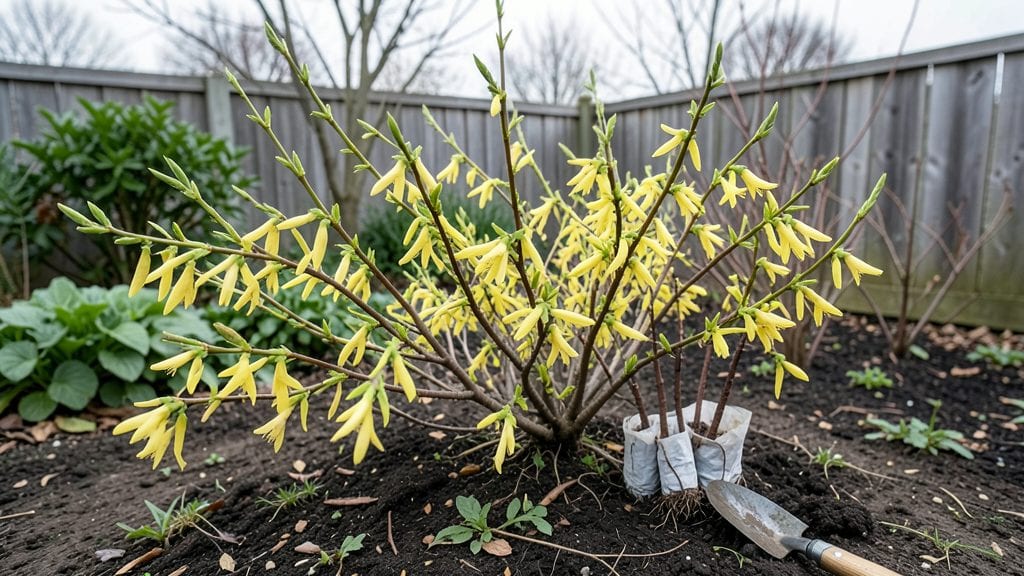
Planting forsythia bushes transforms your yard into a springtime explosion of golden cheer—with almost no effort from you afterward. 🌱 I’ve planted these bright shrubs in every season, and they thrive even when I forget to fuss over them.
The key is getting them settled right in the first year, so they burst into blooms for decades.
You’ll need a sunny spot with well-draining soil, a shovel, and a few hours on a cool day—spring or fall work best. Dig a hole twice as wide as the root ball but only slightly deeper, then mix in compost for that extra boost.
Forsythias hate soggy feet, so if your soil drains poorly, add a layer of gravel at the bottom.
After planting, water deeply once a week for the first month, then taper off as roots establish. By next spring, you’ll see those iconic yellow flowers lighting up the landscape, and they’ll return every year with minimal pruning. The secret? Let them grow naturally—they’re built for low-maintenance brilliance.
Works in zones 5 through 8, and they handle urban pollution better than most shrubs. Perfect for hedges, borders, or as a standout focal point. Let’s get those roots in the ground!
📚 In This Guide
- What you need
- Instructions
- Tips and common mistakes
- Wrapping up and next steps
What you need
- ● Forsythia bushes: 1–3 container-grown plants (depending on desired spacing; standard spacing is 6–10 feet apart). Choose Forsythia × intermedia for larger blooms or Forsythia suspensa for a more compact variety.
- ● Shovel or trowel: A garden shovel for digging holes (if planting multiple bushes) or a hand trowel for smaller jobs.
- ● Compost or well-aged manure: 1–2 gallons per plant to enrich the soil.
- ○ Mulch (optional but recommended): 2–3 inches of shredded bark, pine straw, or wood chips to retain moisture and suppress weeds.
- ● Watering can or hose with a gentle spray nozzle: For post-planting hydration.
- ○ Gloves (optional): Heavy-duty gardening gloves to protect your hands from thorns or rough soil.
- ● Pruning shears: For shaping or removing dead branches after planting.
- ● Soil test kit: To check pH (forsythia thrives in slightly acidic to neutral soil, pH 6.0–7.0).
- ● Fertilizer (balanced 10-10-10 or slow-release): Apply lightly at planting time if your soil is poor.
- ● Plant support (stakes or cages): Only needed if planting in windy areas or heavy clay soil.
- ● Plant tags or markers: To label varieties if you’re experimenting with different types.
Step-by-step instructions for planting forsythia bushes
Here's how to plant these cheerful shrubs for vibrant blooms with almost no fuss.
🌱 Step 1: Choose the Perfect Planting Spot
Forsythias thrive in full sun to partial shade, with at least 6 hours of direct sunlight daily. I always pick a location where the blooms will catch morning light—yellow flowers glow beautifully against dew. Avoid spots where water pools after rain, as soggy roots lead to rot.
Check the area's drainage by digging a 12-inch deep hole and filling it with water. If it drains in under an hour, the spot's perfect. If water lingers, amend the soil with 2-3 inches of compost to improve aeration. Forsythias tolerate a range of soil types but perform best in well-draining, slightly acidic to neutral soil.
🪴 Step 2: Prepare the Planting Hole and Amend Soil
Dig a hole twice as wide as the forsythia's root ball but only as deep. The top of the root ball should sit 1-2 inches above ground level—this prevents water from settling against the stem and causing rot. I like to loosen the native soil at the bottom of the hole with a garden fork to encourage root spread.
Mix the removed soil with half a 40-pound bag of compost to enrich nutrients. Avoid heavy fertilizers at planting time—forsythias prefer lean soil and can scorch with too much nitrogen. Gently place the shrub in the hole, ensuring the roots spread naturally without bending.
💧 Step 3: Plant and Water Deeply
Backfill the hole with the amended soil, pressing lightly to eliminate air pockets but not compacting too firmly. Water deeply right after planting—this settles the soil and helps roots establish contact. I use a garden hose on a slow setting to soak the area until water runs out the bottom of the hole.
After planting, create a 3-inch deep watering basin around the base to direct moisture to the roots. Mulch with 2-3 inches of shredded bark or wood chips to retain moisture and suppress weeds. Keep the soil consistently moist for the first 2-3 weeks—forsythias establish roots slowly at first.
☀️ Step 4: Provide Ongoing Care for First Season
Forsythias need minimal care once established, but young plants benefit from regular watering. Water once a week during dry spells, aiming for 1-1.5 gallons per plant. You'll know they're getting enough water when the soil feels 2-3 inches deep and slightly damp.
Skip fertilizing the first year—new plants focus energy on root growth. In early spring of the second year, apply a slow-release 10-10-10 fertilizer lightly around the drip line. Prune only to remove dead or crossing branches; forsythias bloom on old wood, so heavy pruning reduces flowers.
⏰ Step 5: Plan for Long-Term Growth
Forsythias grow 2-3 feet per year and can reach 10-12 feet tall if unpruned. I recommend light pruning in late winter or early spring to shape the shrub and remove any dead wood. Never prune after mid-summer—this cuts off next year's flower buds.
Watch for signs of stress like yellowing leaves or sparse blooms. These often indicate overwatering or poor drainage. Forsythias are tough once established—just give them sun, space, and occasional pruning. With minimal effort, you'll have cheerful yellow blooms year after year.
Tips & tricks for planting forsythia bushes
Here's what I've learned over years of planting forsythias that'll help your shrubs thrive with minimal effort.
Location is Everything: That 6 hours of direct sunlight is non-negotiable for vibrant blooms. I always check the spot at different times of day—morning sun creates the most dramatic display against dew. Watch for overhead branches that might shade your forsythia as it grows, and prune them out before planting. The first year's growth sets up your plant's future health.
Drainage Test: The 12-inch deep hole test is crucial—if water lingers, amend with that 2-3 inches of compost to improve aeration. I've seen soggy soil ruin otherwise perfect plantings. For heavy clay soils, consider planting on a slight mound to prevent water pooling. The goal is to mimic the well-draining conditions forsythias love in their native habitats.
Root Ball Placement: That 1-2 inches above ground level for the root ball isn't just a suggestion—it's what prevents rot. I've made the mistake of planting too deep, and the stems eventually suffocate. Use a level to check placement before backfilling. The root flare (where roots meet stem) should be clearly visible above soil level after planting.
Watering Wisdom: Those first 2-3 weeks of consistent moisture are critical for root establishment. I set up a simple drip irrigation system for my plantings—it delivers that 1-1.5 gallons per week without the risk of overwatering. The 3-inch deep watering basin helps direct moisture exactly where the roots need it most. Mulch acts like a moisture blanket, but don't pile it against the stem.
Pro Tips for Planting Forsythia Bushes
- Here's what I've learned over years of planting forsythias that'll help your shrubs thrive with minimal effort.
- Location is Everything: That 6 hours of direct sunlight is non-negotiable for vibrant blooms.
- Drainage Test: The 12-inch deep hole test is crucial—if water lingers, amend with that 2-3 inches of compost to improve aeration.
Frequently asked questions
Got questions about planting forsythia bushes? You’re not alone! Here are some of the most common concerns—plus straightforward answers to help you grow a vibrant, low-maintenance shrub.
When is the best time to plant forsythia bushes?
Forsythia thrives when planted in early spring (just as buds swell) or fall (6 weeks before frost). Avoid extreme heat or cold—root establishment is key! Spring planting gives bushes a head start for their first burst of color, while fall planting lets roots settle before winter dormancy. Pro tip: Water deeply after planting to reduce transplant shock.
How cold-hardy are forsythia bushes, and do they need winter protection?
Most forsythia varieties (like Forsythia × intermedia) are hardy in USDA Zones 5–8. They tolerate winter well, but young plants may benefit from a light mulch (2–3 inches) to insulate roots. Avoid heavy mulch piles, which can smother stems. In Zone 4 or colder, choose Forsythia ovata—it’s the hardiest cultivar, surviving down to -20°F.
Can I plant forsythia in containers, or is it better in the ground?
Forsythia grows well in containers if you pick a large pot (at least 18 inches wide) with drainage holes. Use a well-draining potting mix and fertilize lightly in spring. However, in-ground planting is ideal for long-term health—containers limit root spread and may require yearly repotting. Pro tip: Move pots to a sheltered spot in winter if temps drop below 10°F.
Why aren’t my forsythia bushes blooming, even though they’re healthy?
Lack of blooms often stems from over-fertilizing with high-nitrogen (promotes leaves, not flowers) or pruning at the wrong time. Bloom buds form in late summer/fall, so avoid heavy cuts after August. If your bush is young (under 3 years), it may still be establishing—patience! Also check for aphids or spider mites, which can stress plants.
What’s a good alternative if I want a shrub with similar bright blooms but less mess?
If forsythia’s aggressive suckering or short-lived blooms (2–3 weeks) bother you, try:
- Weigela: Longer bloom season (spring to fall), hardy, and slightly more controlled.
- Spirea (e.g., ‘Goldflame’): Compact, colorful foliage + flowers, and deer-resistant.
- Dwarf Lilac (Syringa meyeri): Fragrant blooms, tidier habit, and similar early-spring color.
Wrapping up and next steps
Planting forsythia bushes is a rewarding way to bring early spring cheer to your garden with minimal effort—just the right soil, sunlight, and a little patience! These vibrant shrubs thrive with low-maintenance care, making them perfect for busy gardeners or beginners.
Now that you’re equipped with the know-how, roll up your sleeves and get planting! 🌸
Ready to transform your landscape? Mark your calendar for late fall or early spring—the ideal time to plant—and watch your yard burst into golden blooms year after year. Happy gardening! 🌿