
Aphids
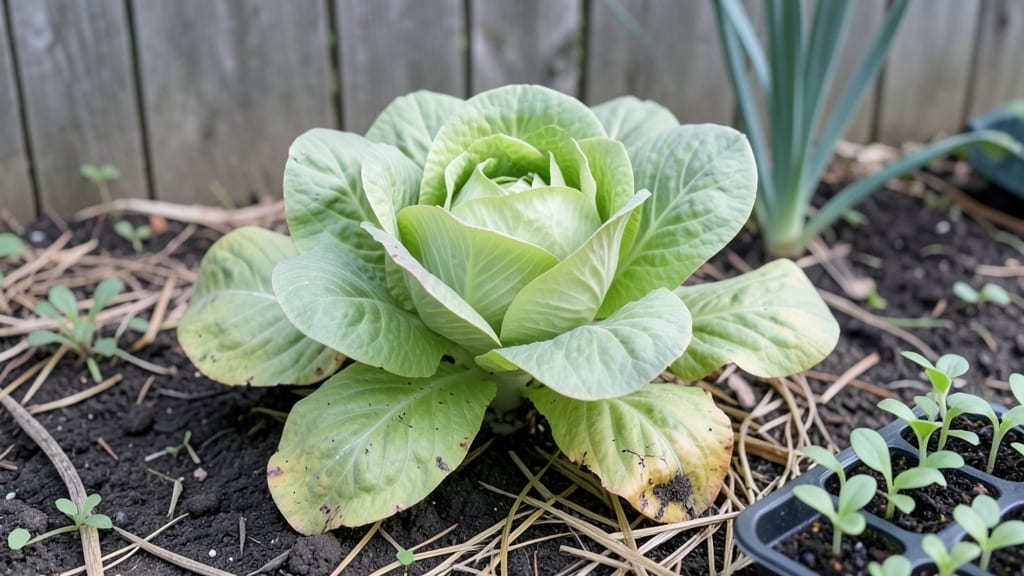
Planting butterhead lettuce for those crispy, tender leaves you crave starts with the right varieties—especially when aphids are lurking. 🌱 I learned the hard way that not all butterheads hold up against pests, but the right choices make all the difference in your harvest.
The secret isn’t just avoiding bugs; it’s picking varieties that stay sweet, slow to bolt, and resilient enough to fight back naturally.
You’ll need loose, well-draining soil mixed with compost, a sunny spot with 4-6 hours of morning light, and patience—lettuce grows fast but needs consistent moisture. Direct-seeding works best in cool weather, but if you’re in a warm climate, transplants give you a head start.
Just keep the soil damp (not soggy) and thin seedlings to 12 inches apart for those perfect, buttery leaves.
By mid-season, you’ll be harvesting crispy, aphid-free heads that taste like summer in every bite. The key is regular checks for pests and a little shade cloth on hot days to prevent bolting. Trust me, once you taste homegrown butterhead, store-bought lettuce won’t compare.
Works for spring or fall planting in most zones, and even container gardens if you choose compact varieties. Let’s get those seeds in the ground—or transplants in the pot—so you can enjoy fresh, crispy lettuce all season long.
📚 In This Guide
- What you need
- Instructions
- Tips and common mistakes
- Wrapping up and next steps
What you need
- ● Butterhead lettuce seeds (aphid-resistant varieties like 'Jericho', 'Reine de Mai', or 'Rouge d’Hiver'): Quantity: 1–2 oz (enough for ~50–100 plants, depending on spacing)
- ● Specs: Certified organic or untreated seeds for best results
- ● Well-draining soil: Type: Loamy soil with pH 6.0–7.0 (amend with compost if needed)
- ○ Optional: Seed-starting mix for indoor sowing
- ● Containers or garden bed: For containers: 6–12" deep pots (1 plant per 6" of width)
- ● For in-ground: Full sun (4–6 hours/day) or partial shade (hot climates)
- ● Watering can or hose with a gentle spray nozzle
- ● Organic mulch (straw or shredded leaves) to retain moisture
- ● Garden trowel or transplanter (for sowing/seeding)
- ○ Gloves (optional but handy for messy soil)
- ● Plant labels (to track varieties and planting dates)
- ● Neem oil or insecticidal soap (preemptive aphid defense)
- ● Grow lights (for indoor/early starts)
- ● Row covers (to deter pests like aphids and cabbage moths)
- ● Compost tea or liquid fertilizer (for a nutrient boost)
- ● Plant cloche or cold frame (to extend the growing season)
Step-by-step instructions for planting butterhead lettuce
Here’s how to grow tender, aphid-resistant butterhead lettuce with that signature crispness you crave.
🌱 Step 1: Prepare the Soil for Optimal Growth
Butterhead lettuce thrives in loose, nutrient-rich soil with excellent drainage. Work the 3 gallons of potting mix into your planting area, breaking up any clumps until it’s light and airy. Amend with 1 cup of compost to boost fertility—this ensures your plants develop those prized crisp leaves instead of tough, fibrous growth.
Test the soil moisture before planting. Stick your finger 1 inch deep—if it feels dry, water until evenly damp but not soggy. Butterhead hates soggy roots, so avoid heavy clay or compacted soil. If you’re planting in containers, use the 4-inch pots to give roots room to spread without overcrowding.
🌿 Step 2: Sow Seeds at the Right Depth and Spacing
Scatter 10-12 seeds (from your 1 packet of aphid-resistant butterhead seeds) in a 1-inch deep trench, spacing them 1 inch apart. Press them gently into the soil—just enough to ensure good contact without burying too deep. Over-planting now means thinning later, but you’ll get a full harvest from these extra seedlings.
Cover the seeds with a light sprinkle of potting mix, then mist the area with water until the surface looks uniformly damp. Avoid heavy watering, which can wash seeds away or bury them too deep. Place a row cover or plastic sheet over the bed to retain warmth and moisture until germination.
☀️ Step 3: Provide Consistent Light and Moisture
Butterhead lettuce needs 4-6 hours of morning sun and partial afternoon shade, especially in hot climates. If your garden gets intense afternoon heat, provide dappled shade with a sheer cloth or move seedlings to a spot with filtered light. Too much direct sun turns leaves bitter and bolting.
Water deeply every 2-3 days, keeping the soil evenly moist but never waterlogged. Check by touching the surface—if it’s dry to the touch, it’s time to water. Use a watering can with a fine rose to avoid disturbing seedlings. Mulch with 1 inch of straw to retain moisture and suppress weeds, which compete for nutrients.
✂️ Step 4: Thin and Maintain for Crisp Leaves
Once seedlings reach 2 inches tall, thin them to 6 inches apart to prevent overcrowding. Use scissors to snip unwanted sprouts at soil level—this avoids disturbing roots. Strong spacing ensures each plant gets enough air circulation, reducing aphid pressure and promoting crisp, tender growth.
Fertilize lightly with ½ cup of balanced fertilizer (10-10-10) every 3-4 weeks to support leaf development. Avoid over-fertilizing, which leads to bitter flavors. Watch for aphids—spray with neem oil at the first sign of clusters on undersides of leaves. Harvest outer leaves when they reach 3-4 inches for continuous crisp yields.
⏰ Step 5: Harvest at Peak Crispness
Butterhead lettuce is ready to harvest 50-60 days after sowing, when heads are 4-6 inches wide and leaves are fully formed. Cut the entire head at the base or pick outer leaves individually. For a continuous harvest, leave the center intact—it’ll regrow for 2-3 more weeks of tender greens.
Store harvested lettuce in a plastic bag with a paper towel to absorb moisture. Keep it in the fridge for up to 1 week while maintaining that crisp texture. If bolting occurs (flower stalks appear), harvest and use leaves immediately—they’ll turn bitter as the plant matures.
Tips & tricks for perfect butterhead lettuce planting
These expert insights will help you cultivate butterhead lettuce with restaurant-quality crispness and aphid resistance.
The Soil Texture Secret: The 3 gallons of potting mix should be fluffy enough to hold a handful without compacting—think of it like crumbled cake, not wet sand. I sift mine through a mesh bag to eliminate any large clumps that could restrict root growth. This airy texture is what prevents those tough, fibrous leaves we're all trying to avoid.
Seed Spacing Strategy: Those 10-12 seeds you're planting in a 1-inch deep trench? Space them exactly 1 inch apart as written, but here's the pro move: use a ruler to mark your spacing before planting. I draw shallow lines in the soil with my finger to create visual guides—this ensures perfect uniformity that makes thinning later a breeze. Overcrowding now leads to competition for nutrients later.
Light Management: The 4-6 hours of morning sun is non-negotiable for crispness, but afternoon shade is where most gardeners go wrong. I use a sheer white shade cloth that blocks 30-50% of sunlight—this creates that perfect dappled effect without turning your lettuce bitter. If you don't have cloth, try planting near taller crops that provide natural shade during peak afternoon heat.
Thinning Technique: When your seedlings hit 2 inches tall and you're thinning to 6 inches apart, here's what I do: use clean scissors to cut at soil level rather than pulling. This prevents disturbing the roots of your kept plants. I also harvest the thinned seedlings immediately—they make great microgreens! The key is to do this thinning when seedlings are young and tender, not when they're already established.
Pro Tips for Planting Butterhead Lettuce
- These expert insights will help you cultivate butterhead lettuce with restaurant-quality crispness and aphid resistance.
- The Soil Texture Secret: The 3 gallons of potting mix should be fluffy enough to hold a handful without compacting—think of it like crumbled cake, not wet sand.
- Seed Spacing Strategy: Those 10-12 seeds you're planting in a 1-inch deep trench?
Frequently asked questions
When is the best time to plant butterhead lettuce?
Butterhead lettuce thrives in cooler weather. Plant seeds 4–6 weeks before your last frost date in spring or 6–8 weeks before your first frost in fall for a fall harvest. Avoid planting in hot summer months—it bolts quickly! For year-round growing in mild climates, use shade cloth or succession planting.
Why do my butterhead lettuce plants attract aphids, and how do I prevent it?
Aphids love tender lettuce leaves! Choose aphid-resistant varieties like 'Salad Bowl' or 'Buttercrunch' (check seed packets). Boost plant health with neem oil sprays or introduce ladybugs as natural predators. Space plants properly for airflow—crowding stresses lettuce, making it more vulnerable.
Can I grow butterhead lettuce in containers?
Butterhead lettuce does well in containers at least 6–8 inches deep with drainage holes. Use lightweight potting mix and place pots in partial shade. Varieties like 'Merlot' or 'Fordhook' are compact and perfect for pots. Just keep soil consistently moist—containers dry out faster than garden beds.
How long does it take for butterhead lettuce to mature?
Most butterhead varieties mature in 45–60 days from seed, depending on the type. Check seed packets for exact days—loose-leaf types may be ready in 30–40 days, while full heads take longer. Harvest outer leaves first to encourage continuous growth, or pick the whole head when firm and crisp.
What should I do if my lettuce bolts before harvest?
Bolting (sending up a flower stalk) happens when lettuce gets too hot or stressed. To prevent it, plant in partial shade during summer or use shade cloth. If it bolts, harvest the leaves before the stalk thickens—young leaves are still edible. For future crops, try heat-tolerant varieties like 'Jericho' or 'Black Seeded Simpson.'
Are there alternatives to butterhead if I want aphid-resistant greens?
Yes! Try romaine (e.g., 'Parris Island'), oakleaf lettuce (e.g., 'Little Gem'), or arugula—all have better aphid resistance. For extra toughness, consider swiss chard or kale, which aphids avoid more often. Rotate crops to confuse pests and reduce infestations.
Wrapping up and next steps
Growing aphid-resistant butterhead lettuce is a rewarding way to enjoy crisp, delicious greens while keeping pests at bay! 🌱 With the right varieties, soil prep, and care tips, you’ll harvest tender leaves in no time.
Whether you’re a seasoned gardener or just starting, this guide gives you everything you need to succeed.
Ready to plant your next crop? Start by choosing a few aphid-resistant seeds and mark your calendar for your next sowing session—your garden (and taste buds) will thank you! 🌿