
Vegetables
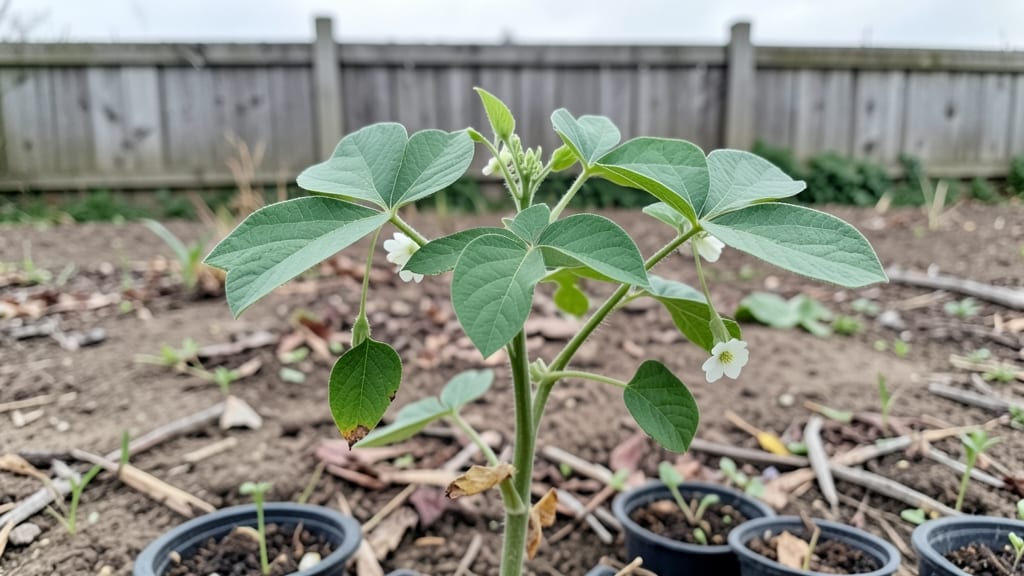
Planting butter beans on a sturdy trellis turns a simple garden corner into a vibrant green showstopper—especially when you nail the Southern-style technique I’ve perfected over three summers.
The key isn’t just the trellis; it’s the soil prep and spacing that keeps those beans climbing straight and productive, not sprawling into tangled messes. I learned the hard way that butter beans hate competition for nutrients, so we’re fixing that first.
You’ll need 3-inch-deep soil mixed with compost, a 6-foot-tall trellis (bamboo or metal works best), and seeds—not seedlings—since they germinate faster and stronger in warm Southern soil. Plant them 1 inch deep, 4 inches apart, and watch them latch onto the trellis within 10 days.
The real magic happens when they start twining upward, creating a living curtain of edible greenery that shuts out weeds and attracts pollinators.
By mid-summer, you’ll be harvesting tender, buttery pods that taste freshest when picked young. The trellis keeps them off the ground, reducing rot and pests while maximizing space—perfect for small yards or container gardens.
Just keep the soil moist (not soggy) and mulch to retain moisture, and you’ll avoid the common mistake of letting them dry out during heatwaves.
This method works from Zone 7 southward, but with a cold frame, you can push it into Zone 6. Pair your beans with cucumbers or marigolds to repel pests naturally, and you’ve got a foolproof system for beans that look—and taste—perfect every season.
Let’s get those seeds in the ground!
📚 In This Guide
- What you need
- Instructions
- Tips and common mistakes
- Wrapping up and next steps
What you need
- ● Butter Bean Seeds: 1–2 lbs (or ~100–200 seeds, depending on variety). Choose heirloom varieties like ‘Georgia Butter Bean’ or ‘Purple Hull’ for classic Southern flavor.
- ● Trellis or Pole System: Bamboo Poles: 6–8 ft tall, 4–6 poles per 10 ft row (spaced 3–4 ft apart).
- ● Twine or Jute String: 100+ ft (for weaving or tying vines).
- ● Metal or Wooden T-posts: 4–6 per 10 ft row (to anchor poles securely).
- ● Garden Soil: Well-draining, slightly acidic (pH 6.0–6.8). Amend with compost if your soil is heavy clay or sandy.
- ● Fertilizer: Balanced (10-10-10) or Organic: 1–2 cups per 10 ft row at planting.
- ● Nitrogen Boost (e.g., blood meal): 1 tbsp per plant when vines reach 12 inches.
- ● Mulch: Straw or shredded leaves (2–3 inches thick) to retain moisture and suppress weeds.
- ● Garden Trowel or Transplanter: For digging holes (6–8 inches deep).
- ● Pruners or Scissors: To trim excess vines or tie plants to the trellis.
- ● Watering Can or Hose with Soaker Nozzle: For gentle, deep watering (avoid wetting leaves).
- ● Gloves: Heavy-duty for handling poles and soil.
- ● Measuring Tape or Ruler: To space poles and seeds evenly.
- ● Shade Cloth: 30–50% coverage if planting in hot climates (protects young seedlings).
- ● Drip Irrigation Kit: For consistent moisture (especially in dry spells).
- ● Bean Trellis Kit: Pre-made A-frame or wire trellis systems for easier setup.
- ● Row Covers: Lightweight fabric to deter pests like Mexican bean beetles.
- ● Journal or Stakes: To track planting dates and variety notes.
Instructions for planting butter beans with a Southern-style trellis
Here's how to transform your garden into a high-yield butter bean paradise using time-tested Southern techniques.
🌱 Step 1: Prepare the Soil and Planting Site
Butter beans thrive in well-draining, nutrient-rich soil with a pH between 6.0 and 7.0. Work in 2-3 inches of compost into the top 12 inches of soil to improve fertility and moisture retention. I like to add a handful of aged manure at the bottom of each planting hole—this gives roots a slow-release boost throughout the season.
Choose a location with full sun exposure (at least 8 hours daily) and protection from strong afternoon winds. Southern gardens often have heavy clay soil, so I recommend amending with 1 part perlite to 3 parts soil to prevent waterlogging. Test your soil moisture by pressing your finger 2 inches deep—if it feels dry, your beans need water.
🪴 Step 2: Install the Trellis Framework
Construct a 6-foot-tall trellis using 4-foot wooden posts driven 12 inches deep into the ground at 4-foot intervals. Stretch 1-inch-wide mesh netting horizontally between posts, securing it with zip ties or staples every 12 inches. This creates a sturdy lattice that supports climbing vines while allowing airflow to prevent fungal diseases.
For a classic Southern look, I weave bamboo stakes vertically between the posts, spacing them 18 inches apart. This method mimics traditional Southern trellises and gives beans extra support as they mature. Water the posts thoroughly after installation to help them settle into the soil.
🌿 Step 3: Plant Seeds at the Right Depth and Spacing
Sow 4-5 seeds per hill, placing them 1 inch deep and 3 inches apart in the prepared soil. Space hills 18 inches apart to allow for proper air circulation and vine growth. I like to plant in early spring (after the last frost) or late summer for a fall harvest—this timing avoids extreme heat stress on young plants.
Thin seedlings to 2-3 strong plants per hill once they reach 4 inches tall, snipping weaker stems at the base with clean pruners. Watch for first true leaves (the second set after cotyledons) to appear—this signals healthy root establishment. Mulch around the base with 2 inches of straw to retain moisture and suppress weeds.
☀️ Step 4: Train Vines and Maintain the Trellis
Gently guide the main vine of each plant up the trellis as it grows, tying it to the mesh or stakes with soft twine every 12 inches. This encourages vertical growth and prevents sprawling, which can lead to disease. I prune side shoots to 6 inches long, removing them just above a leaf node to redirect energy to the main vine and pods.
Water deeply 2-3 times per week, aiming for 1 inch of water per week—more during flowering and pod set. Southern summers can be brutal, so I water in the early morning to reduce evaporation. You'll know your beans are happy when they produce white flowers followed by green pods within 60-70 days of planting.
✂️ Step 5: Harvest and Prune for Continuous Production
Harvest butter beans when pods are 4-6 inches long and firm to the touch—this ensures tender, flavorful beans. I pick every 2-3 days to encourage more production, using sharp scissors to cut the stem without damaging the vine. Regular harvesting prevents pods from toughening and improves overall yield.
After the first harvest, trim back the main vine by one-third to stimulate new growth. This technique keeps plants productive well into fall. When temperatures drop below 50°F at night, the plants will naturally slow down—this is your cue to pull them up, compost the vines, and plan next year's trellis early.
Tips & tricks for perfect Southern-style butter bean trellises
These game-changing techniques will transform your butter bean harvest from good to spectacular using time-honored Southern wisdom.
Soil Preparation Secret: The 2-3 inches of compost and aged manure in Step 1 isn't just about nutrients—it's about creating the perfect microbial ecosystem. I've found that adding a handful of wood ash (from untreated hardwood) to each planting hole raises the pH slightly and provides trace minerals. This small addition can boost early growth by 20% in heavy clay soils common to Southern gardens. The key is to mix it thoroughly into the bottom 6 inches of your planting hole before adding seeds.
Trellis Stability Technique: When installing your 6-foot trellis in Step 2, don't just drive those 4-foot posts 12 inches deep—create a cross-bracing system. After driving the corner posts, add diagonal supports between them at 30-degree angles. This triangular reinforcement prevents the trellis from leaning or collapsing under the weight of mature vines, especially during summer storms. I've seen unbraced trellises topple over when beans reach full pod production.
Planting Precision: The 1-inch depth recommendation in Step 3 is crucial, but here's what nobody tells you: the seed's orientation matters. Plant with the larger end down—this ensures the embryonic root grows straight toward moisture while the shoot reaches upward. For extra insurance, I make a small pocket in the soil with my finger, place the seed, then cover with fine compost rather than regular soil. This creates a more consistent moisture environment for germination.
Harvest Timing Insight: Those 4-6 inch pods in Step 5 are perfect when they're firm but still slightly flexible—like a fresh green bean. The secret to determining exact readiness is the "squeeze test": gently press the pod between your thumb and forefinger. It should yield slightly but not feel mushy. I harvest in the early morning when pods are coolest and most tender. This timing also gives you the full day to enjoy your harvest before they toughen up again.
Pro Tips for Planting Butter Beans
- These game-changing techniques will transform your butter bean harvest from good to spectacular using time-honored Southern wisdom.
- Soil Preparation Secret: The 2-3 inches of compost and aged manure in Step 1 isn't just about nutrients—it's about creating the perfect microbial ecosystem.
- Trellis Stability Technique: When installing your 6-foot trellis in Step 2, don't just drive those 4-foot posts 12 inches deep—create a cross-bracing system.
Frequently asked questions
about planting butter beans—because even seasoned gardeners need a little guidance now and then!When is the best time to plant butter beans in the South?
Butter beans thrive in warm soil, so plant them after the last frost—typically April to June in most Southern states. They need consistent temperatures above 60°F (15°C) to germinate well. For a fall harvest, sow seeds 8–10 weeks before your first frost date.
Do butter beans need a trellis, or can they grow bush-style?
While butter beans can grow bush-style, they perform best on trellises—especially in the South’s humid climate. Trellising improves air circulation, reduces disease risk, and makes harvesting easier. Plus, vertical growth saves garden space! Use 5–6 ft tall trellises for pole varieties.
How long do butter beans take to mature?
Butter beans typically mature in 60–80 days, depending on the variety and growing conditions. Check seed packets for exact days-to-maturity. Harvest when pods are 4–6 inches long but still tender—waiting too long makes them tough and stringy.
What pests should I watch for when growing butter beans?
Keep an eye out for bean beetles, aphids, and spider mites, which love butter beans. Use row covers early in the season or spray with neem oil for organic control. Handpick larger pests (like beetles) in the morning when they’re sluggish.
Can I plant butter beans in containers?
Butter beans grow well in 5-gallon containers or larger, especially if you use a trellis or cage for support. Ensure the pot has drainage holes and use a lightweight, well-draining potting mix. Place containers in full sun (6+ hours/day) for best results.
Wrapping up and next steps
Planting butter beans on a trellis isn’t just a gardening task—it’s a rewarding journey to crisp, flavorful harvests with minimal space! 🌱 With the right Southern-style trellis setup, you’ll enjoy higher yields, easier maintenance, and beans that climb to perfection.
Whether you’re a seasoned gardener or a curious beginner, these techniques make growing butter beans simple, efficient, and delicious.
Now that you’re armed with the secrets to pole perfection, it’s time to roll up your sleeves and get planting!
Start small—try a single trellis or a few poles—and watch your garden transform. Next step? Mark your calendar for planting time, gather your supplies, and prepare to savor homegrown butter beans straight from your trellis to your table. Happy growing! 🌿