Succulent
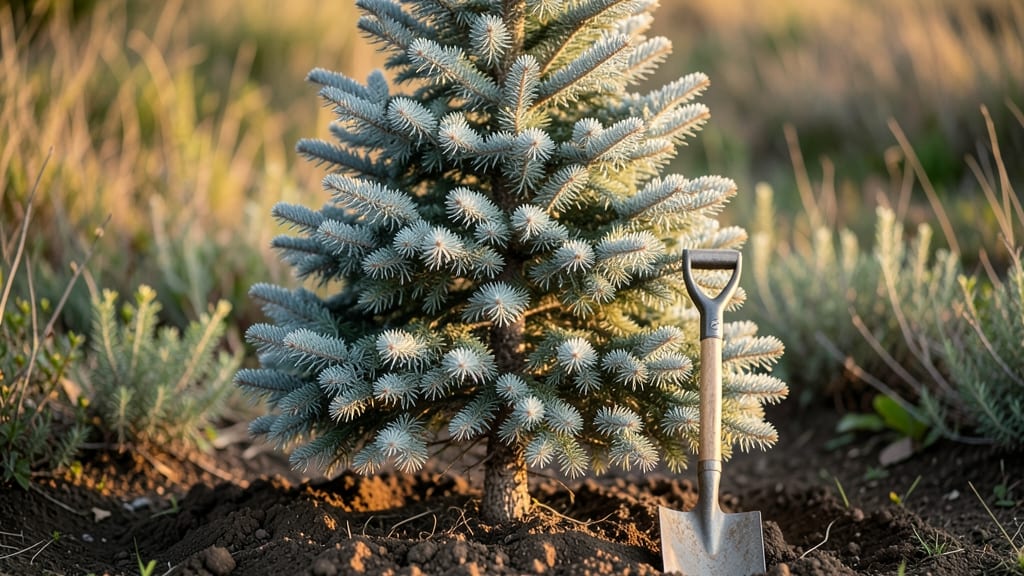
Planting blue spruce trees creates a stunning privacy screen that stays lush year-round. 🌿 I’ve planted dozens over the years, and the key to their thriving lies in the details—like well-drained soil and the right spacing.
These trees aren’t just pretty; they’re hardy, low-maintenance, and perfect for defining property lines or adding height to your landscape.
The best time to plant is in early spring or fall when temperatures are mild, and the ground isn’t frozen. You’ll want a sunny spot with at least 6 hours of direct light daily, and soil that drains well—blue spruce hate soggy roots.
Before digging, amend heavy clay soil with compost or sand to help water flow freely. Dig a hole twice as wide as the root ball but no deeper, so the tree sits at the same level it was in the nursery.
After planting, water deeply to settle the soil, then mulch around the base with 2-3 inches of organic mulch to keep moisture in and weeds out. The first year is critical—water weekly if rainfall is light, but avoid overwatering.
In just 3-5 years, your blue spruce will grow 10-15 feet tall, creating a dense, evergreen barrier that blocks wind and noise while adding timeless beauty to your yard.
Here’s the thing—most people rush the spacing, planting too close together. Give each tree 6-10 feet of space between trunks so they grow without competing for nutrients. And skip the fertilizer the first year; fresh roots need time to establish before they can handle extra food.
With the right start, your blue spruce will thrive for decades with almost no care.
📚 In This Guide
- What you need
- Instructions
- Tips and common mistakes
- Wrapping up and next steps
What you need
- ● Blue spruce saplings: 3–5 plants per 10 feet of screen (spacing depends on mature size—aim for 6–10 feet apart for dense growth). Choose 1–3-year-old nursery-grown trees for best establishment.
- ● Shovel or trowel: A round-point shovel (for digging holes) and a hand trowel (for delicate root work).
- ● Measuring tape: To mark spacing and hole depth (aim for twice the root ball width and as deep as the root ball).
- ● Compost or well-aged manure: 2–3 gallons per hole to enrich soil.
- ● Mulch (pine straw, bark, or wood chips): 2–3 inches thick, covering the entire root zone (not the trunk!).
- ● Watering can or hose with nozzle: A soaker hose is ideal for deep watering.
- ● Soil test kit: Check pH (blue spruces prefer acidic soil, 5.0–6.5). Adjust with sulfur if needed.
- ● Tree stakes & ties: For windy areas (use soft fabric ties to avoid trunk damage).
- ● Fertilizer (slow-release, 10-10-10): Apply once in early spring after planting.
- ● Pruning shears: For shaping young trees (avoid heavy pruning—focus on removing dead branches only).
- ● Garden gloves: Protect your hands from thorns and rough bark!
Step-by-Step instructions for planting blue spruce trees
This method ensures your evergreen privacy screen thrives from planting to maturity.
🪴 Step 1: Choose and Prepare Planting Sites
Select a location with full sun to partial shade—blue spruce tolerate some shade but grow best with at least 6 hours of sunlight daily. Space each tree 6-10 feet apart for mature width, depending on desired density. I mark each spot with a wooden stake to avoid confusion later.
Dig holes twice as wide as the root ball but only as deep as the container's bottom. Loosen the sides of each hole with a shovel to encourage root spread. If your soil is heavy clay, mix in 2-3 inches of compost at the bottom to improve drainage—blue spruce hate soggy roots.
🌱 Step 2: Remove Trees from Containers and Prepare Roots
Gently squeeze the sides of each container to loosen the root ball before sliding the tree out. If roots are circling tightly, use your fingers to tease them outward—this prevents girdling as the tree matures. I always check for any damaged or broken roots and trim them with clean pruners.
Place each tree in its hole, ensuring the top of the root ball sits 1-2 inches above ground level. This prevents water from pooling around the trunk. Have a helper hold the tree upright while you backfill with native soil, pressing lightly to remove air pockets but not compacting too firmly.
💧 Step 3: Water Thoroughly and Mulch Properly
Water each newly planted tree with 5 gallons of water, letting it soak into the soil gradually. You’ll know it’s enough when water runs out the bottom of the hole—this ensures roots make full contact with moist soil. I use a garden hose with a gentle spray attachment to avoid displacing the soil.
Spread 2-3 inches of mulch around the base, keeping it 6 inches away from the trunk to prevent rot. I prefer shredded bark or pine straw because they break down slowly and improve soil over time. Mulch helps retain moisture and keeps weeds at bay during the critical first year.
☀️ Step 4: Provide Initial Care and Monitor Growth
For the first 2-3 weeks, check soil moisture daily—blue spruce are drought-sensitive when young. Water whenever the top 2 inches of soil feel dry. Avoid wetting the needles to prevent fungal diseases like needle cast, which can discolor and drop needles prematurely.
Fertilize lightly in early spring with a balanced, slow-release fertilizer (10-10-10 ratio). I scatter granules around the drip line and water them in. Avoid heavy feeding the first year—new roots need time to establish before taking in extra nutrients. Watch for new growth in spring; healthy blue spruce will develop bright blue-green needles and sturdy new shoots.
Tips & tricks for perfect blue spruce planting
Creating a thriving evergreen privacy screen starts with these essential planting tips that'll help your blue spruce grow strong for years.
The Sunlight Secret: While blue spruce tolerate partial shade, they truly shine with at least 6 hours of direct sunlight daily. I've seen them struggle in deep shade—needles turn dull green and growth slows dramatically. If your yard gets less than 6 hours, consider planting along a south-facing fence line where they'll get maximum sun exposure during the critical afternoon hours.
Root Ball Prep: When teasing out those circling roots in Step 2, be gentle but thorough. I use my fingers to carefully separate the roots outward from the center—this prevents girdling where roots grow around the trunk and strangle the tree as it matures. If you notice any damaged roots, trim them with clean pruners right at the base. Healthy roots mean faster establishment and better drought resistance.
Watering Wisdom: That initial 5-gallon watering in Step 3 is crucial—don't skip it! I've seen many new plantings fail because homeowners assumed "a little water" would suffice. The key is gradual soaking until water runs out the bottom of the hole. This ensures the entire root ball makes contact with moist soil. For the first 2-3 weeks, I check soil moisture daily by sticking my finger 2 inches deep—if it feels dry, it's time to water again. Blue spruce hate soggy roots but won't tolerate drought either.
Mulch Magic: That 2-3 inches of mulch around your newly planted trees does more than just look pretty. I've found it helps maintain consistent soil moisture while suppressing weeds that compete for water and nutrients. The critical detail is keeping mulch 6 inches away from the trunk—this prevents rot by allowing air to circulate around the base. I prefer shredded bark because it breaks down slowly, adding organic matter to the soil over time. Plus, it looks great against those beautiful blue-green needles!
Pro Tips for Planting Blue Spruce
- Creating a thriving evergreen privacy screen starts with these essential planting tips that'll help your blue spruce grow strong for years.
- The Sunlight Secret: While blue spruce tolerate partial shade, they truly shine with at least 6 hours of direct sunlight daily.
- Root Ball Prep: When teasing out those circling roots in Step 2, be gentle but thorough.
Frequently asked questions
Got questions about planting blue spruce? You’re not alone! Here are some of the most common concerns—plus quick answers to help you grow a stunning evergreen privacy screen with confidence.
When is the best time to plant blue spruce?
Plant your blue spruce in early spring or fall when temperatures are mild (50–70°F). Avoid extreme heat or frost—root establishment is key! If you must plant in summer, water deeply and shade young trees for the first few weeks to reduce stress.
How far apart should I space blue spruce trees for a privacy screen?
For a dense screen, plant blue spruce 4–6 feet apart in rows spaced 6–8 feet apart. If you want faster coverage, go for 3–4 feet apart but expect slower growth in the center. Mature trees (15+ years) can reach 30–40 feet tall, so plan ahead!
Why is my blue spruce turning brown? Is it dying?
Brown needles are usually normal—blue spruce naturally sheds older needles (especially in winter). However, if browning is sudden, widespread, or affects new growth, check for:
- Underwatering (drought stress)
- Overwatering (root rot)
- Pests (spider mites, bagworms)
- Fungal diseases (like needle cast)
Can I plant blue spruce in containers? What size pot do I need?
Yes! Blue spruce thrive in containers but need space to grow. Start with a 15–20 gallon pot for young trees (3–5 feet tall) and upgrade every 2–3 years. Use well-draining soil, drain holes, and a pot 12–18 inches wider than the root ball to prevent root binding.
Are there cheaper alternatives to blue spruce for privacy?
If cost is a concern, consider these budget-friendly evergreens:
- Arborvitae (faster growth, lower price)
- Leyland Cypress (dense, grows quickly)
- Thuja (Western Red Cedar) (hardy, affordable)
- Bald Cypress (tolerates wet soil)
Wrapping up and next steps
Planting a blue spruce is a fantastic way to add year-round beauty and privacy to your landscape—whether you're a seasoned gardener or just starting out! 🌲 These stunning evergreens thrive with the right care, offering vibrant color in all three seasons and minimal upkeep.
With the knowledge you’ve gained on site prep, spacing, and maintenance, you’re ready to create a lush, living screen that will wow neighbors and wildlife alike.
Now that you’re equipped, take the next step—mark your calendar for planting day and gather your tools. Before you dig in, double-check your soil and climate conditions to ensure your blue spruce gets the best start possible. Happy planting, and enjoy the serene, shady haven you’re creating! 🌿