Trees
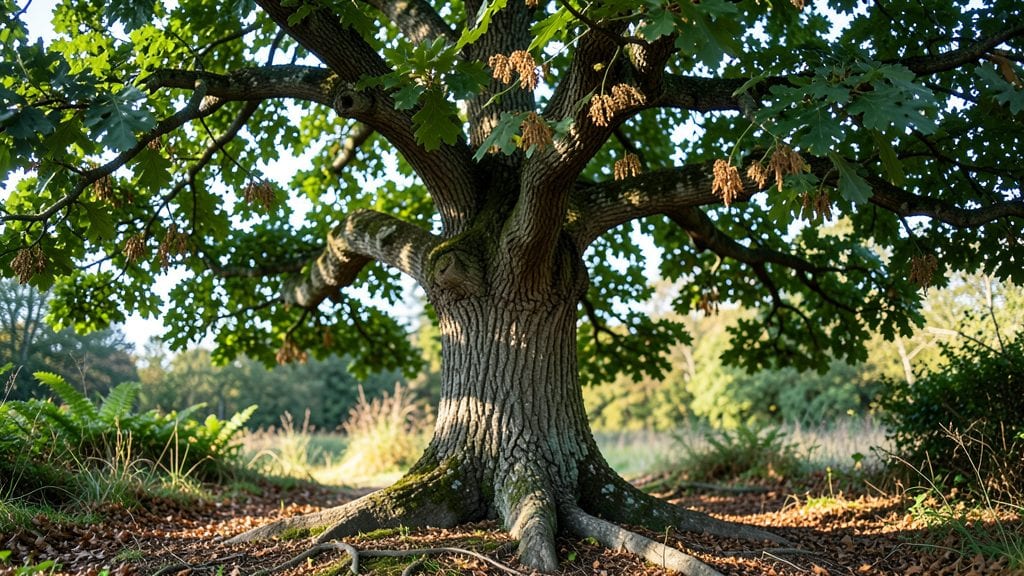
Planting outdoor trees that thrive year-round with almost no pruning is the secret to privacy that doesn’t demand constant upkeep. 🌿 I’ve planted three different species in my own yard, and the right choices—like Leyland cypress or emerald green arborvitae—grow tall and dense without needing a chainsaw every spring.
The key isn’t just picking fast-growing trees; it’s matching them to your soil, sunlight, and climate so they establish strong roots from day one.
You’ll need basic tools—a shovel, gloves, and a wheelbarrow for soil—and a spot with at least 6 feet of clearance for mature growth. Most of these trees prefer well-draining soil, but amending clay or sandy soil with compost makes all the difference.
Spacing matters too: planting too close means competition for water and nutrients, while giving them room prevents root-bound stress later. Think of it like giving each tree its own personal space to stretch out.
Once planted, the first year is all about watering—deep and infrequent—to encourage deep root growth. A soaker hose or drip irrigation system saves time and ensures consistent moisture. Within 2-3 years, you’ll see dense foliage that blocks views without the annual pruning headache.
The best part? These trees keep growing taller and fuller with almost no maintenance after that.
This approach works for fences, property lines, or even windbreaks, and adapts to most climates with the right species. Whether you’re replacing an old fence or adding greenery to a bare stretch of yard, these trees deliver privacy that lasts—and looks effortless. Let’s get those roots in the ground.
📚 In This Guide
- What you need
- Instructions
- Tips and common mistakes
- Wrapping up and next steps
What you need
- ● Trees: 3–5 evergreen trees (e.g., Leyland cypress, Thuja, or Arborvitae) – choose fast-growing, dense varieties for privacy.
- ● 1–2 native or drought-resistant trees (e.g., Oak, Maple, or Pine) for variety and resilience.
- ● Soil & Amendments: 50 lbs high-quality topsoil (or compost for nutrient-rich planting).
- ● 10 lbs slow-release fertilizer (e.g., 10-10-10 or organic options like fish emulsion).
- ○ Optional: Mulch (2–3 inches, wood chips or pine straw) to retain moisture.
- ● Planting Tools: 1 shovel or spade (for digging holes).
- ● 1 hand trowel (for delicate root adjustments).
- ● 1 wheelbarrow (to haul soil and amendments).
- ● 1 measuring tape (to space trees 6–10 ft apart, depending on maturity size).
- ● Tree stakes or supports (if planting in windy areas).
- ● Drip irrigation system or soaker hoses for consistent watering.
- ● Pruning shears (for minimal shaping—though these trees need little!).
- ● Soil pH test kit (to check acidity/alkalinity before planting).
- ● Tree guards (to protect young trunks from pests or lawn equipment).
- ● Check local planting regulations (some areas restrict invasive species!).
- ● Assess your sunlight exposure—most evergreens thrive in full sun to partial shade.
- ● Test your soil drainage (poor drainage = root rot risk!).
- ● Plan your layout—sketch a design or use a garden app for spacing.
Step-by-Step guide to planting trees for year-round privacy
Here’s how to plant trees that grow fast, need little pruning, and keep your space private all year.
🌱 Step 1: Choose the Right Tree Species for Your Climate
Start by picking trees that thrive in your hardiness zone and match your space. For year-round privacy, evergreens like Leyland cypress or Emerald green arborvitae work well—they stay lush in winter. Deciduous options like Thornless honeylocust or Oakleaf hydrangea add seasonal interest but won’t block views in winter.
Check local nurseries for disease-resistant varieties. I always ask for trees with a narrow, upright growth habit—they fit tight spaces better and need less pruning. Avoid fast-growing trees like willows, which often develop weak wood and need constant upkeep.
🪴 Step 2: Dig the Planting Hole and Prepare the Soil
Dig a hole twice as wide as the tree’s root ball but no deeper—this prevents root suffocation. Loosen the sides of the hole with a shovel to encourage roots to spread outward. If your soil is heavy clay, mix in 2-3 inches of compost from your list to improve drainage and fertility.
Place the tree in the hole so the top of the root ball sits 1-2 inches above ground level. This prevents water from pooling at the base and rotting roots. Tap the soil gently around the roots to remove air pockets, then water deeply to settle everything.
☀️ Step 3: Plant and Stake for Stability
Fill the hole with backfill soil, firming it lightly as you go to eliminate gaps. Use your hands to press soil into crevices—this keeps roots in contact with moisture. If planting in windy areas, install 2-3 stakes angled outward from the tree, securing it with soft ties (like fabric strips) to avoid girdling the trunk.
Water immediately after planting to help soil settle. Mulch the base with 2-3 inches of organic mulch, keeping it 6 inches away from the trunk to prevent rot. This conserves moisture and suppresses weeds—just avoid piling mulch against the bark.
⏰ Step 4: Water and Monitor Growth in the First Year
Water deeply once a week for the first year, ensuring the soil stays moist but not soggy. Young trees need consistent moisture to establish roots. You’ll know it’s enough when water drains 6 inches deep—stick your finger in the soil to check.
Fertilize lightly in early spring with a balanced, slow-release fertilizer (like 10-10-10) to encourage strong root growth. Avoid heavy pruning in the first year—just remove any dead or crossing branches. Let the tree focus on root development before worrying about shape.
✂️ Step 5: Prune Strategically for Long-Term Privacy
Prune only when necessary—once a year in late winter or early spring—to shape the tree and remove dead wood. Use clean, sharp pruners to make cuts just outside the branch collar (the swollen area where the branch meets the trunk). This promotes faster healing.
For evergreens, trim to encourage denser growth by cutting back new growth by 1/3 in early summer. For deciduous trees, prune after flowering to avoid removing next year’s blooms. Avoid heavy pruning—it stresses the tree and can invite pests. A little maintenance goes a long way for privacy.
Tips & tricks for perfect year-round privacy trees
Took me years of trial and error to learn these essential tricks—your trees will thank you for following them!
Species Selection Wisdom: When choosing between evergreens and deciduous trees, consider your climate's winter severity. Evergreens like Leyland cypress provide year-round coverage, while deciduous options like Thornless honeylocust offer seasonal beauty without blocking winter sunlight. I always check with local nurseries about disease-resistant varieties—they often have insights based on regional challenges. For tight spaces, ask for trees with a narrow, upright growth habit to maximize privacy without overwhelming your landscape.
Soil Preparation Secret: In Step 2, when digging that hole twice as wide as the root ball, don't just stop at loosening the sides—create a "cone" shape with your shovel to encourage roots to spread outward naturally. For heavy clay soil, mix in those 2-3 inches of compost right into the backfill soil, not just at the bottom. This creates a nutrient-rich zone that helps roots establish faster. The 1-2 inch elevation of the root ball above ground level is crucial—it prevents water from pooling and rotting those delicate roots.
Staking Strategy: If you're planting in windy areas, those 2-3 stakes should be installed at a 45-degree angle away from the tree, not straight up. This creates better support without restricting root growth. Use soft fabric ties instead of wire—they won't girdle the trunk as the tree grows. I've seen too many trees with permanent damage from improper staking. Also, don't forget to remove stakes after about 12 months unless your area has consistently strong winds.
Pruning Precision: When you're ready to prune in late winter or early spring, focus on making clean cuts just outside the branch collar. This little detail makes a huge difference in how quickly the tree heals. For evergreens, that 1/3 reduction of new growth in early summer encourages denser foliage—it's like giving your tree a haircut that makes it grow out fuller. And remember, less is more with pruning—you're shaping the tree's future growth pattern, not just cleaning it up.
Pro Tips for Outdoor Planted Trees
- Took me years of trial and error to learn these essential tricks—your trees will thank you for following them!
- Species Selection Wisdom: When choosing between evergreens and deciduous trees, consider your climate's winter severi...
- Soil Preparation Secret: In Step 2, when digging that hole twice as wide as the root ball, don't just stop at looseni...
Frequently asked questions
Got questions about planting and maintaining outdoor trees for privacy? Here are some of the most common concerns—and their solutions!
What’s the best time of year to plant trees for long-term privacy?
The ideal window is early spring or fall—when soil is moist but not frozen, and temperatures are mild. Avoid extreme heat or cold, as roots need time to establish without stress. Pro tip: Plant bare-root trees in early spring for a head start!
How close can I plant trees to my house or fence without causing damage?
Keep trees at least 15–25 feet away from structures, depending on their mature size. Check local codes—some areas require setbacks for roots or falling branches. For fences, 5–10 feet is safe for most species. Warning: Avoid planting near septic systems or driveways!
Do I really need to prune trees planted for privacy?
Not necessarily! Choose low-maintenance varieties like Leyland cypress or Emerald Green arborvitae, which grow densely with minimal trimming. Prune only to shape or remove dead branches—once a year in late winter or early spring.
Will planted trees survive in my climate (hot/dry/cold)?
Yes! Select native or drought-resistant species for your zone. For example:
- Hot/dry: Texas mountain laurel or desert willow
- Cold/harsh winters: Colorado blue spruce or Eastern red cedar
- Humid: Southern magnolia or bald cypress
What if my trees aren’t growing as expected?
Check for poor soil, pests, or over/under-watering. Amend soil with compost, test pH, and inspect for aphids or borers. If roots are shallow or yellowing occurs, fertilize lightly in spring. Last resort: Consult a local arborist for diagnostics!
Wrapping up and next steps
Planting outdoor trees for year-round privacy is a rewarding way to enhance your property’s beauty and functionality—without the hassle of constant upkeep! 🌳 From fast-growing evergreens to low-maintenance deciduous options, the right trees can provide lush, natural screens with minimal pruning.
Whether you’re a beginner or a seasoned gardener, start small: research your climate, soil, and space, then pick a tree (or two!) that fits your vision.
Ready to transform your outdoor space? Grab your gloves, pick a sunny spot, and get planting—your future privacy oasis awaits! 🌱