
Companion Plants
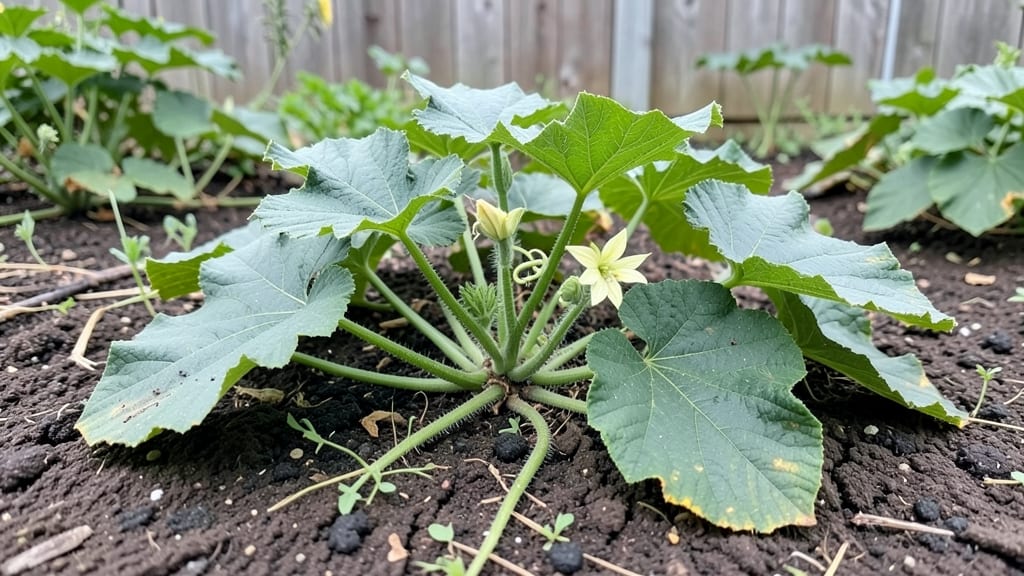
Your new cucumber plants deserve a head start—and the right neighbors make all the difference. 🌱 I’ve learned that pairing them with pest-repellent companions isn’t just smart gardening; it’s the difference between a thriving vine and one that gets overwhelmed by aphids or squash bugs before the first harvest.
The key begins with soil: enrich it with compost before planting, then space seedlings 12–24 inches apart in rows 3–5 feet apart to allow airflow. Cucumbers crave full sun (6+ hours daily) and consistent moisture—1–1.5 inches per week—but never soggy soil.
A mulch layer keeps roots cool and weeds at bay.
By midseason, you’ll see vibrant green leaves and the first tendrils climbing toward their trellis. The real magic happens when you interplant marigolds (for nematode control), nasturtiums (to deter beetles), or dill (which attracts beneficial wasps)—these pairings create a natural defense system while boosting flavor and yield.
This method works for bush or vining varieties, in ground or containers, and even in small spaces. The secret? Start strong, stay consistent, and let the plants do the rest. Here’s how to set it up right from day one.
📚 In This Guide
- What you need
- Instructions
- Tips and common mistakes
- Wrapping up and next steps
What you need
- ● Cucumber seeds or seedlings: Choose disease-resistant varieties like ‘Straight Eight’ or ‘Marketmore 76’ (6–10 plants for a small garden, 12+ for larger harvests).
- ● Companion plant seeds: Marigolds (10–15 seeds) – 💡 Repels nematodes & aphids!
- ● Nasturtiums (5–8 seeds) – Traps pests like cucumber beetles.
- ● Basil (3–5 plants) – Deters flies and enhances cucumber flavor.
- ● Dill or fennel (3–5 plants) – Attracts beneficial predatory wasps.
- ● Well-draining potting mix: 2–3 cubic feet (for containers) or enrich garden soil with compost (1–2 inches mixed in).
- ● Containers or garden space: Cucumbers need 6+ inches of soil depth and 12–24 inches of vertical space (trellises help!).
- ● Hand trowel or transplanting spade
- ● Garden gloves (to protect from prickly vines!)
- ● Watering can or hose with a gentle spray nozzle
- ● Organic mulch (straw or shredded leaves, 2–3 inches)
- ○ Optional: Row covers (for early planting) or neem oil spray (for pest prevention).
- ● Full sun exposure (6–8 hours daily)
- ● Warm soil temps (60°F+ for direct sowing; start indoors 2–3 weeks earlier in cooler climates).
- ● Regular watering (1–2 inches per week; keep soil moist but not soggy!).
Step-by-step guide to planting new cucumber plants with pest-repellent companions
Here’s how to establish your cucumbers alongside natural pest deterrents for a thriving, low-maintenance harvest.
🌱 Step 1: Prepare the Soil and Planting Site
Cucumbers thrive in well-draining soil with 6.0-6.8 pH, so mix 2 gallons of compost into the top 12 inches of your planting area. Avoid fresh manure—it can burn tender roots. Work in 1 cup of bone meal per plant to boost early root growth, but skip phosphorus-heavy fertilizers later; they encourage leafy growth at the expense of fruit.
Choose a location with full sun (6+ hours daily) and shelter from strong winds, which can snap delicate vines. If your soil feels compacted, loosen it with a garden fork to 8 inches deep—this prevents root-bound stress. Space your 4 cucumber plants 3 feet apart in rows 5 feet apart to allow airflow and reduce disease risk.
🌿 Step 2: Plant Cucumbers with Pest-Repellent Companions
Interplant marigolds around the cucumber patch—their strong scent deters aphids and nematodes while attracting beneficial predators like ladybugs. Place 1 marigold every 2 feet in a loose ring around each cucumber. Avoid planting basil near cucumbers, though; while basil repels some pests, it competes aggressively for nutrients and can stunt vine growth.
For underground protection, tuck dill or cilantro between cucumber rows. Their deep roots disrupt nematode cycles, and their feathery foliage confuses cucumber beetles. Plant these companions 4 inches away from cucumber stems to avoid overcrowding. Water the entire area 1 inch deep immediately after planting to settle roots and wash away any disturbed pests.
💧 Step 3: Water and Mulch for Healthy Growth
Cucumbers need 1-1.5 inches of water weekly, delivered at the base to prevent fungal diseases like powdery mildew. Water early in the morning so foliage dries quickly—wet leaves overnight invite pests. Use the 2 gallons of mulch (straw or shredded leaves) to retain moisture and suppress weeds, which compete for nutrients. Apply mulch 2 inches thick, leaving a 1-inch gap around stems to prevent rot.
Here’s the trick: drip irrigation is ideal, but if you water by hand, aim for the soil, not the leaves. You’ll know moisture is perfect when the top 1 inch of soil feels damp but not soggy. Overwatering leads to blossom-end rot, while underwatering causes bitter fruit. Adjust frequency based on rainfall—skip watering if 1 inch of rain falls in 3 days.
✂️ Step 4: Train Vines and Monitor for Pests
As vines grow, gently guide them onto trellises or strings to improve airflow and reduce disease. Prune side shoots (suckers) that form in the leaf axils—remove them with clean shears when they’re 1 inch long. This redirects energy to fruit production. If cucumber beetles appear (yellow and black striped pests), handpick them early in the day when they’re sluggish.
Check the undersides of leaves daily for the first 2 weeks—that’s where pests hide. If you spot aphids or spider mites, spray with neem oil (mix 1 tablespoon per gallon of water) in the evening. The marigolds and dill should keep infestations minimal, but early intervention prevents outbreaks. Avoid chemical pesticides; they harm the beneficial insects you’re cultivating.
☀️ Step 5: Maintain Through the Season
Fertilize once mid-season with ½ cup of 5-5-5 fertilizer per plant to support flowering and fruiting. Scatter it 3 inches from the base, then water deeply to activate nutrients. Cucumbers are heavy feeders, but too much nitrogen late in the season leads to excessive leaf growth and fewer fruits. Harvest when cucumbers reach 6-8 inches for peak flavor—this encourages continuous production.
Watch for yellowing leaves, which signal either overwatering or nutrient deficiency. If the problem’s near the base, it’s likely root rot—reduce watering and improve drainage. If the yellowing starts at the tips, your plants need more potassium (try a banana peel tea: steep 1 chopped banana in 1 gallon of water for 24 hours). With these companions and care, your cucumbers will thrive with minimal pest interference.
Tips & tricks for perfect cucumber planting with pest control
A few strategic moves will help you maximize your cucumber yield while keeping pests at bay naturally.
The Soil Preparation Secret: Before mixing in the 2 gallons of compost, spread a thin layer of wood ash (about ½ cup per square foot) to raise soil pH naturally if your test shows it’s below 6.0. The ash also provides calcium, which prevents blossom-end rot—a common cucumber problem. Just work it into the top 2 inches, then add your compost. This two-step approach ensures your cucumbers get both the right pH and essential nutrients from day one.
Companion Planting Precision: When placing your marigolds every 2 feet around each cucumber, stagger their positions slightly rather than creating perfect circles. This irregular pattern confuses pests that rely on symmetrical plant arrangements. For the dill or cilantro between rows, plant them closer to the cucumbers (about 2 inches away) in the early season—this gives them time to establish before they need their full 4-inch spacing. The closer proximity early on helps disrupt pest cycles faster.
Watering Wisdom: That 1-1.5 inches of weekly water might seem like a range, but here's how to nail it: Use a rain gauge or tuna can to measure. Fill it with water and place it near your plants—when the water level drops by 1.5 inches, that's your cue to water again. For the initial 1-inch settling water after planting, split it into two sessions: water deeply once in the morning, then again lightly in the evening. This two-step approach prevents shock while ensuring roots get properly hydrated.
Pest Monitoring Hack: Set up a simple pest trap system using yellow sticky cards placed near (but not touching) your cucumber plants. These cards attract cucumber beetles and aphids, giving you an early warning system. Check them daily for the first 2 weeks—if you see more than 3 pests per card per day, it's time to increase your neem oil applications to twice weekly. The marigolds should handle most pests, but this early detection gives you a fighting chance before infestations take hold.
Pro Tips for New Cucumber Plants
- A few strategic moves will help you maximize your cucumber yield while keeping pests at bay naturally.
- The Soil Preparation Secret: Before mixing in the 2 gallons of compost, spread a thin layer of wood ash (about ½ cup per square foot) to raise soil pH naturally if your test shows it’s below 6.0.
- Companion Planting Precision: When placing your marigolds every 2 feet around each cucumber, stagger their positions slightly rather than creating perfect circles.
Frequently asked questions
Got questions about growing new cucumber plants? You’re not alone! Whether you’re a first-time gardener or a seasoned green thumb, these answers will help you nurture healthy vines and avoid common pitfalls.
When is the best time to plant new cucumber seeds or seedlings?
Cucumbers thrive in warm soil, so wait until after the last frost when temperatures consistently stay above 60°F (15°C). For most regions, this means late spring or early summer. If you’re in a cooler climate, consider starting seeds indoors 3–4 weeks before transplanting outdoors. Pro tip: Use a soil thermometer to check—ideal planting temp is 70–90°F (21–32°C).
What are the best pest-repellent companion plants for new cucumber plants?
Pair cucumbers with marigolds, nasturtiums, or radishes to deter pests like cucumber beetles and aphids. Basil, dill, and borage also enhance growth and flavor while keeping bugs at bay. Avoid planting near potatoes or sage, as they can stunt cucumber development. Bonus: Interplant with flowers to attract beneficial pollinators like bees!
How long does it take for new cucumber plants to produce fruit?
From seed to harvest, cucumbers typically take 50–70 days for bush varieties and 60–75 days for vining types. Seedlings may produce fruit slightly faster (45–60 days) if planted in warm soil. Key factor: Consistent watering, sunlight (6+ hours/day), and proper pollination speed up the process. Patience pays off—early blooms might not fruit, so wait for the 3rd–5th flowers!
Why are my new cucumber plants wilting even though I’m watering them?
Wilting can signal underwatering, overwatering, or root stress. Check soil moisture—cucumbers need 1–2 inches of water weekly (more in heat). Poor drainage or compacted soil can suffocate roots. Fix it: Water deeply at the base (not leaves) in the morning, and loosen soil around plants. If wilting persists, inspect for pests like spider mites or fungal issues (yellowing leaves = overwatering).
Can I grow new cucumber plants in containers, and what’s the best setup?
Use containers at least 12–18 inches deep with drainage holes, and pair with trellises for vining varieties. Opt for lightweight potting mix with compost. Top picks: Five-gallon buckets or fabric grow bags work well. Place containers in full sun (6+ hours) and water frequently—containers dry out faster. Dwarf or bush cucumbers (like ‘Bush Champion’) are ideal for small spaces!
Wrapping up and next steps
Growing new cucumber plants alongside pest-repellent companions isn’t just smart—it’s a game-changer for your garden! 🌱 By pairing them with marigolds, basil, or nasturtiums, you’ll deter pests naturally while boosting flavor and yield. The key? Start with healthy seeds, monitor growth, and stay consistent with care.
Ready to elevate your harvest? Grab your gloves, pick your favorites from this guide, and plant with confidence. Your future crisp, thriving cucumbers are just a few seeds away—let’s make it happen! 🌿