
Propagation
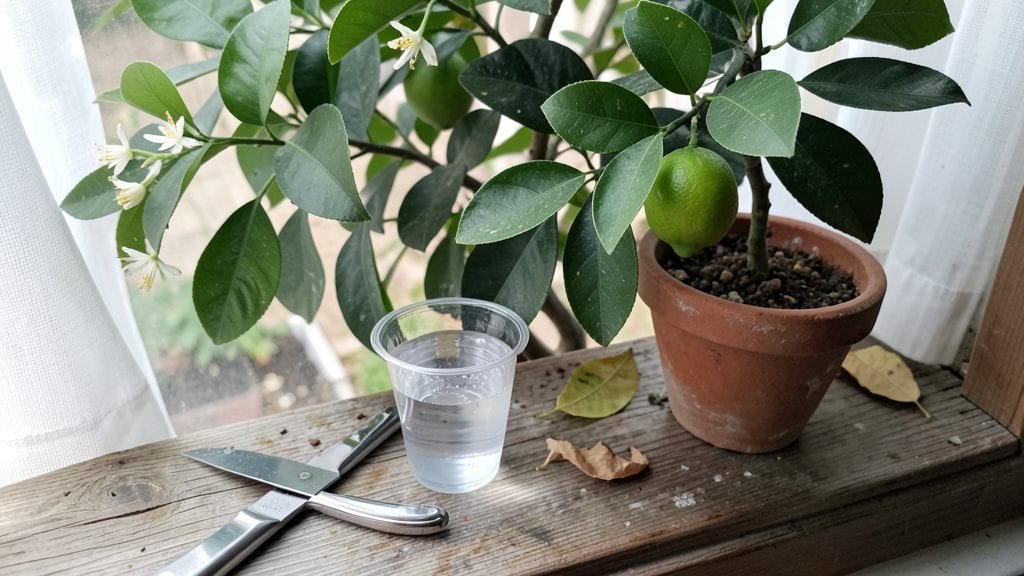
Mastering lemon plant propagation with simple cuttings transformed my lone store-bought lemon tree into a lush, fruiting grove in just three years. The process is simpler than it looks—just a sharp knife, some patience, and the right conditions to coax roots from a single stem.
Most people assume you need a greenhouse, but I’ve done this successfully on a sunny windowsill with just a glass of water and a plastic bag.
You’ll need just a few supplies: healthy 4- to 6-inch stem cuttings (with at least two leaf nodes), rooting hormone (optional but helpful), and either water or well-draining soil mix.
The water method is fastest, with roots appearing in 2-4 weeks, while soil rooting takes 4-8 weeks but produces stronger plants ready for transplanting. Humidity is the secret—covering cuttings with a plastic bag keeps them happy until roots form.
Once roots appear, you’ll notice new growth within 2-3 weeks, signaling the cutting has taken. The real magic happens when you transplant these babies into pots—suddenly, you’re not just growing one lemon tree, but a whole collection of fragrant, productive plants.
The scent of fresh citrus leaves alone is worth the effort, and the first tiny lemons? That’s the payoff.
This method works for Meyer lemons, Eureka lemons, and even lime cuttings, though some varieties root faster than others. If you’ve ever wanted a lemon tree but feared the cost or complexity, this is your chance to multiply your plants for free. Let’s get those cuttings growing!
📚 In This Guide
- What you need
- Instructions
- Tips and common mistakes
- Wrapping up and next steps
What you need
- ● Mature lemon plant: A healthy, disease-free lemon tree (preferably 2–3 years old) with woody stems (about pencil-thick).
- ● Sharp pruning shears or clean knife: Sterilized with rubbing alcohol to prevent contamination. (Avoid tearing stems!)
- ● Stem cuttings: 4–6 inches long, with at least 2–3 leaf nodes per cutting. Trim just below a node at a 45-degree angle.
- ○ Rooting hormone (optional but recommended): A powder or gel to boost root growth (e.g., Rootone or Clonex).
- ● Water (for water propagation): Room-temperature, filtered or distilled water in a clean glass jar or container.
- ● Well-draining potting mix (for soil propagation): A blend of 50% perlite/pumice and 50% peat moss or coconut coir. Avoid garden soil—it’s too dense!
- ● Small pots or containers: 4–6 inches in diameter with drainage holes (for soil method).
- ● Plastic bag or humidity dome: To create a mini greenhouse and retain moisture.
- ● Spray bottle: Filled with water to mist cuttings and maintain humidity.
- ● Rubbing alcohol or hydrogen peroxide: For sterilizing tools and containers.
- ● Clear plastic cup or jar: To monitor root growth in water without disturbing the cutting.
- ● Heat mat (70–75°F): Speeds up rooting by 20–30% (great for faster results!).
- ● Fertilizer (after rooting): A diluted seaweed or fish emulsion (1/4 strength) to support new growth.
- ● Grow lights or sunny windowsill: Bright, indirect light (6+ hours/day) for optimal propagation.
Step-by-step instructions for propagating lemon plants
Here's how to grow new lemon trees from cuttings—whether you prefer water or soil, both methods work reliably.
Select and Prepare Healthy Stem Cuttings
Choose mature stems from your lemon plant that are about 4-6 inches long and pencil-thick. Look for healthy, disease-free growth with at least 3-4 leaf nodes—these are the small bumps where roots will form. Use clean, sharp scissors or pruning shears to make a clean cut just below a node at a 45-degree angle. This angled cut increases surface area for root development.
Remove any leaves from the bottom half of the stem, leaving only the top leaves intact. Too many leaves will drain energy from root formation. If the leaves are large, trim them in half to reduce moisture loss. Place the cuttings in a glass of water or directly into soil within 24 hours—delaying this step slows rooting success.
Root in Water or Soil
For water propagation, place the cuttings in a jar of room-temperature water, ensuring the nodes are submerged but leaves stay dry. Change the water every 3-5 days to prevent bacterial growth. Roots should appear in 2-4 weeks, starting as tiny white hairs at the nodes. Once roots reach 1-2 inches long, the cutting is ready for planting.
For soil propagation, dip the cuttings in rooting hormone (optional but helpful) and plant them in a moist, well-draining potting mix. Insert the cutting about 2 inches deep into the soil, firming gently around the stem. Keep the soil consistently moist but not soggy—overwatering causes rot. Place the pot in a warm, bright spot with indirect light to encourage root growth.
Care for New Roots and Transplant
If rooting in water, transfer the cutting to a 4-inch pot filled with potting mix once roots are established. Water lightly after transplanting to help the roots adjust. For soil-rooted cuttings, wait until you see new growth—usually 4-6 weeks—before transplanting to a larger pot. This confirms the roots have taken hold.
Keep the new plant in bright, indirect light for the first 2 weeks after transplanting to reduce stress. Avoid direct sun until it’s fully acclimated. Water when the top inch of soil feels dry, but don’t let it dry out completely. Lemon cuttings are sensitive to moisture changes, so consistency is key.
Encourage Growth and Prune as Needed
Once the cutting has established roots and new leaves, it’s time to promote bushier growth. Pinch back the tips of new stems to encourage branching—this mimics the natural shape of a lemon tree. Use clean pruners to trim just above a leaf node, and the plant will grow stronger side shoots.
Fertilize lightly with a balanced liquid fertilizer every 4-6 weeks once the plant is actively growing. Avoid heavy feeding in the first 3 months, as the roots are still developing. Watch for signs of stress like yellowing leaves—this usually means too much water or not enough light. Adjust care accordingly to keep your new lemon plant thriving.
Tips & tricks for perfect lemon plant propagation
Here's what I've learned from years of propagating lemon plants—these tricks will help you avoid common pitfalls and maximize success with your cuttings.
Timing is Everything: That 24-hour window between cutting and planting is crucial. Don't rush this step—delaying slows root development. I've found that placing cuttings in a plastic bag with a damp paper towel works well if you can't plant immediately. This keeps them hydrated while you prepare your propagation setup.
The Angle Matters: The 45-degree cut below a node isn't just about looks—it creates more surface area for roots to emerge. I like to use a sharp pencil to make a small nick above the cut line before removing the stem. This helps guide the cutting to grow straight when you plant it later.
Water Quality Tip: For water propagation, use filtered or distilled water if possible—tap water minerals can hinder root growth. I change the water every 3-5 days as instructed, but I also rinse the jar with a bit of hydrogen peroxide (1 part peroxide to 4 parts water) every other change to prevent algae buildup that can smother new roots.
Lighting Strategy: That bright, indirect light recommendation is key, but don't overlook the importance of humidity. I place a clear plastic dome or even a cut-off plastic bottle over soil-rooted cuttings to create a mini greenhouse effect. This helps maintain moisture and humidity levels, which are critical for root formation during those first few weeks.
Pro Tips for Lemon Plant Propagation
- Here's what I've learned from years of propagating lemon plants—these tricks will help you avoid common pitfalls and maximize success with your cuttings.
- Timing is Everything: That 24-hour window between cutting and planting is crucial.
- The Angle Matters: The 45-degree cut below a node isn't just about looks—it creates more surface area for roots to emerge.
Frequently asked questions
Got questions about propagating your lemon plant? You’re not alone—here are some of the most common concerns and straightforward answers to help you succeed!
When is the best time of year to take lemon plant cuttings?
The ideal time is late spring or early summer when the plant is actively growing. This gives your cuttings the best chance to root before cooler weather sets in. Avoid winter, as growth slows, and rooting becomes slower or more difficult.
How long does it take for lemon plant cuttings to root in water?
With patience, you’ll typically see roots in 2–4 weeks, though some may take up to 6 weeks. Keep the water fresh, and place the cutting in bright, indirect light. Once roots reach 1–2 inches, it’s time to transplant to soil!
Can I propagate a lemon plant from a cutting taken from a store-bought lemon?
It’s possible but tricky. Store-bought lemons are often grafted, meaning the roots may not produce true fruit. For reliable propagation, use cuttings from a healthy, mature lemon tree (like Meyer lemons) grown from seed or cuttings. If you’re unsure, ask the seller!
What do I do if my lemon cutting starts to rot in water?
If you notice mushy stems or black spots, act fast! Remove the cutting, trim off any rotted parts, and replant it in fresh water or well-draining soil. To prevent rot, ensure the cutting stays in clean water (changed every 2–3 days) and avoid overcrowding.
Is it better to root lemon plant cuttings in water or soil?
Both work, but water is easier for beginners—it lets you monitor root growth. For faster adaptation, try soil propagation using a mix of perlite and peat. Water rooting is great for patience, while soil encourages quicker establishment in real growing conditions.
Wrapping up and next steps
Propagating a lemon plant from stem cuttings is a rewarding and simple way to expand your citrus family—whether in water or soil! With the right tools, patience, and care, you’ll soon watch new roots and leaves sprout, giving you a thriving plant to nurture.
Now that you’re armed with the know-how, go ahead and give it a try—your future lemon tree is just a cutting away! 🌱
Ready to take the next step? Experiment with different methods or share your progress with fellow plant enthusiasts. Happy propagating!