
Pruning
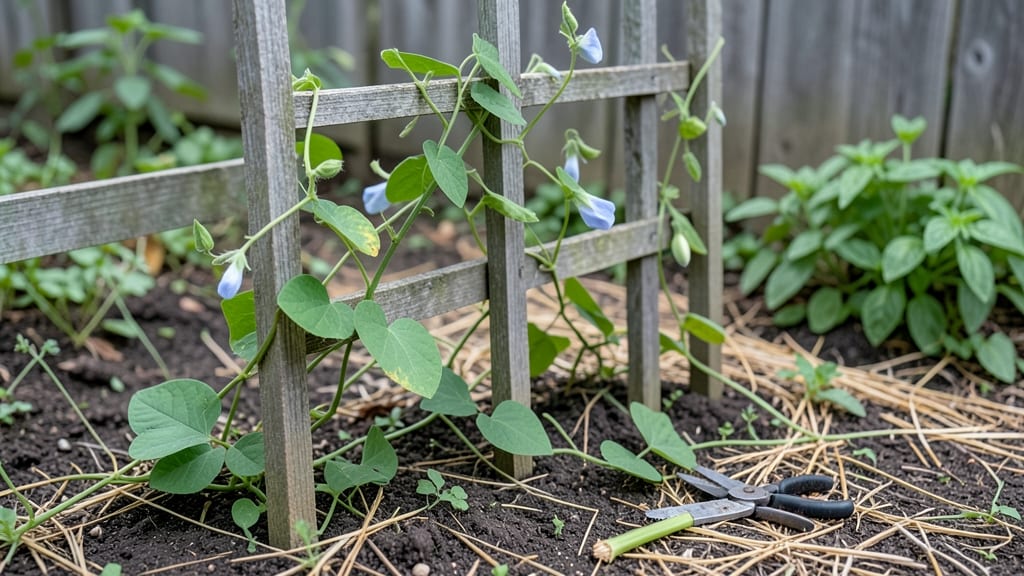
Pruning butterfly pea plants (Clitoria ternatea) keeps them blooming all season—here’s the exact method that transformed my leggy vines into a nonstop purple fountain. 🌿 The key is timing and technique: cut back after flowering to encourage new growth, but never overdo it or you’ll stunt the plant’s ability to produce those stunning blue-purple blooms.
You’ll need just three things: clean pruning shears, a pair of gloves (the leaves can be prickly), and a sunny spot to display your plant. Most people make the mistake of pruning too late in the season, which cuts off potential regrowth.
Instead, I prune right after the first flush of flowers fades—usually in early summer—and again lightly in fall to shape the plant.
What you’ll get is a bushier plant with more vibrant blooms than you’ve ever seen. The leaves stay lush and green, the flowers multiply, and you avoid the sad, bare stems that happen when plants aren’t pruned correctly.
The best part? You can even propagate new plants from those cuttings—just root them in water or soil.
Works for both container plants and in-ground vines, and it’s foolproof once you get the rhythm. Here’s how to do it without killing your plant—or your patience.
📚 In This Guide
- What you need
- Instructions
- Tips and common mistakes
- Wrapping up and next steps
What you need
- ● Pruning shears or secateurs: A sharp, bypass-style pair (to avoid crushing stems). Choose ergonomic handles for comfort during extended use.
- ● Gloves: Garden gloves (nitrile-coated for grip) to protect your hands from thorns or sap.
- ● Disinfectant (70% isopropyl alcohol or rubbing alcohol): To sterilize tools between cuts and prevent disease spread.
- ○ Small pruning saw (optional but helpful): For thicker stems (over ½ inch in diameter).
- ● Garden twine or plant ties: A 3–4 ft roll to secure stems if you’re training vines or creating a trellis.
- ● Sharpie or permanent marker: For labeling pruned sections if you’re propagating cuttings.
- ● Rooting hormone: A powder or gel to boost success if you’re propagating cuttings from pruned stems.
- ● Small pots or trays: 4–6 inch pots with drainage holes for propagating new plants.
- ● Potting mix: A well-draining blend (e.g., 60% peat moss, 30% perlite, 10% compost) for cuttings.
- ● Plant food (balanced fertilizer): A 10-10-10 or 20-20-20 formula to revive the plant post-pruning.
- ● Mulch: Organic mulch (straw or shredded leaves) to retain moisture and suppress weeds.
Step-by-Step instructions for pruning butterfly pea plants
Here's my go-to method for keeping butterfly pea plants vibrant, bushy, and blooming nonstop.
✂️ Step 1: Identify and Remove Dead or Yellowed Growth
Start by scanning the plant for any stems that have turned brown or yellowed—these are dead or dying and won’t recover. I grab my bypass pruners and snip just above a leaf node or where the stem meets the main branch. This ensures clean cuts that heal faster and prevents disease from spreading to healthy growth.
Butterfly pea plants are tough, but dead stems can harbor pests or fungal spores. Don’t leave stubs—cut back to a healthy leaf or bud. You’ll know you’re doing it right when the cut looks smooth and the plant’s structure opens up to better airflow.
✂️ Step 2: Pinch Back Leggy Stems to Encourage Bushiness
If your butterfly pea plant is stretching tall and sparse, it’s time to pinch. Look for the main stems that are growing too long without much branching. Using your fingers (or clean pruners), pinch off the top set of leaves just above a leaf node where new growth can sprout.
This might seem counterintuitive—why cut off the top?—but it triggers the plant to put energy into side branches instead. You’ll see new buds forming within a week or two, and the plant will fill out beautifully. Aim to keep stems around 6-8 inches tall for the bushiest habit.
✂️ Step 3: Trim Back Overly Long Vines After Flowering
Once your butterfly pea plant has finished blooming, the spent flowers will turn into seed pods. To encourage more flowers, cut back the longest vines by about one-third of their length. Use your pruners to make a clean cut just above a leaf node or bud.
This step is key for year-round blooms. The plant redirects its energy into producing new growth instead of seeding. You’ll notice fresh, vibrant leaves and new flower buds forming within a few weeks. Avoid cutting into old wood—always trim back to green, healthy stems.
✂️ Step 4: Shape and Thin Overcrowded Areas
Butterfly pea plants can get dense, especially in warm climates. Use your pruners to thin out overcrowded areas by removing the innermost stems that aren’t getting enough light. Focus on stems that are rubbing against each other—they’ll develop wounds and attract pests if left unchecked.
Shape the plant by cutting back any stems that are growing in awkward directions or blocking sunlight from reaching the center. A well-shaped plant will have a balanced, open structure that lets air circulate freely. This also makes harvesting easier and keeps the plant looking tidy.
⏰ Step 5: Schedule Regular Maintenance Pruning
For continuous blooms, prune butterfly pea plants every 4-6 weeks during the growing season. In cooler months, reduce pruning to just removing dead or diseased growth. Always use clean, sharp pruners to avoid damaging the plant or spreading disease.
After each pruning session, give your plant a light application of balanced fertilizer to support new growth. You’ll see the difference in just a few weeks—healthier stems, more flowers, and a plant that looks like it’s thriving. Keep an eye out for new growth, and don’t hesitate to adjust your pruning as needed.
Tips & tricks for perfect butterfly pea plant pruning
Here's what nobody tells you about keeping your butterfly pea plants thriving year-round—these tricks make all the difference between a scraggly plant and a lush, blooming beauty.
Tool Tip: Invest in a good pair of bypass pruners—they make clean cuts that heal faster and prevent tearing. I've ruined several plants using dull scissors that crushed stems instead of cutting cleanly. Always sterilize your tools with rubbing alcohol between plants to prevent spreading disease. This is especially important if you're working with multiple butterfly pea plants or other garden varieties.
Timing Secret: The 4-6 week pruning schedule in Step 5 works best during active growing seasons. In my experience, butterfly pea plants respond best to pruning when they're actively growing—typically spring through early fall. If you notice new growth slowing down, that's your cue to reduce pruning frequency. You'll see a dramatic difference in how quickly the plant responds to pruning during these optimal times.
Visual Cue: When you're trimming back one-third of the longest vines in Step 3, look for the point where the vine starts to look woody and less vibrant. That's your cutting line—always trim back to green, healthy stems. This ensures you're not removing too much growth that could support future blooms. The plant will reward you with fresh buds within weeks if you cut back to these healthy points.
Post-Pruning Care: After your pruning session, give your plant a drink of water and a light application of balanced fertilizer. I use a 10-10-10 formula diluted to half strength. This helps the plant recover from the stress of pruning and supports new growth. The fertilizer should be applied to the soil around the base of the plant, not directly on the leaves or stems.
Pro Tips for Prune Butterfly Pea Plant
- Here's what nobody tells you about keeping your butterfly pea plants thriving year-round—these tricks make all the difference between a scraggly plant and a lush, blooming beauty.
- Tool Tip: Invest in a good pair of bypass pruners—they make clean cuts that heal faster and prevent tearing.
- Timing Secret: The 4-6 week pruning schedule in Step 5 works best during active growing seasons.
Frequently asked questions
Got questions about pruning your butterfly pea plant? You’re not alone! Here are some of the most common queries—plus clear, actionable answers to keep your plant thriving and blooming.
When is the best time to prune butterfly pea plants?
Prune your butterfly pea plant after flowering or during early spring to encourage bushier growth. For container plants, you can trim lightly throughout the growing season (spring to fall) to maintain shape. Avoid heavy pruning in late fall or winter, as the plant may struggle to recover.
How much can I trim without harming the plant?
You can safely trim up to 1/3 of the plant’s height at a time, especially if it’s leggy or overgrown. Focus on cutting back long stems just above a leaf node or set of leaves. Avoid over-pruning—this can stress the plant and reduce flowering. For aggressive regrowth, space pruning sessions 4–6 weeks apart.
What if my butterfly pea plant doesn’t bloom after pruning?
If your plant skips blooming post-pruning, it might need more sunlight (6+ hours daily) or balanced fertilizer (high in phosphorus). Prune too late in the season? Try a light trim in early spring to stimulate new growth. Also, ensure deadheading spent blooms to redirect energy into producing more flowers.
Can I propagate butterfly pea cuttings from pruned stems?
Yes!
Place 4–6 inch cuttings in water or moist potting mix (rooting hormone helps). Keep them in bright, indirect light and maintain humidity with a plastic bag. Roots typically form in 2–4 weeks. This is a great way to multiply your plants for free!
Should I prune butterfly pea plants in winter?
In cold climates, prune lightly in late winter (just before new growth starts) to remove dead or damaged stems. Avoid heavy pruning—your plant conserves energy during dormancy. If you’re in a mild-winter zone, minimal trimming is fine, but focus on shaping rather than aggressive cuts.
Wrapping up and next steps
Pruning your butterfly pea plant isn’t just about keeping it neat—it’s your secret to vibrant blooms, bushier growth, and a year-round display of stunning blue-purple hues. By following the right techniques—whether for maintenance, shaping, or propagation—you’ll encourage healthier plants and even more of those eye-catching flowers. 🌸
Now that you’re armed with the know-how, grab those pruners and get trimming! Start small with a single branch or two, and soon you’ll be a butterfly pea pruning pro. Happy gardening—your plants (and your neighbors!) will thank you. 🌿✨