
Pests
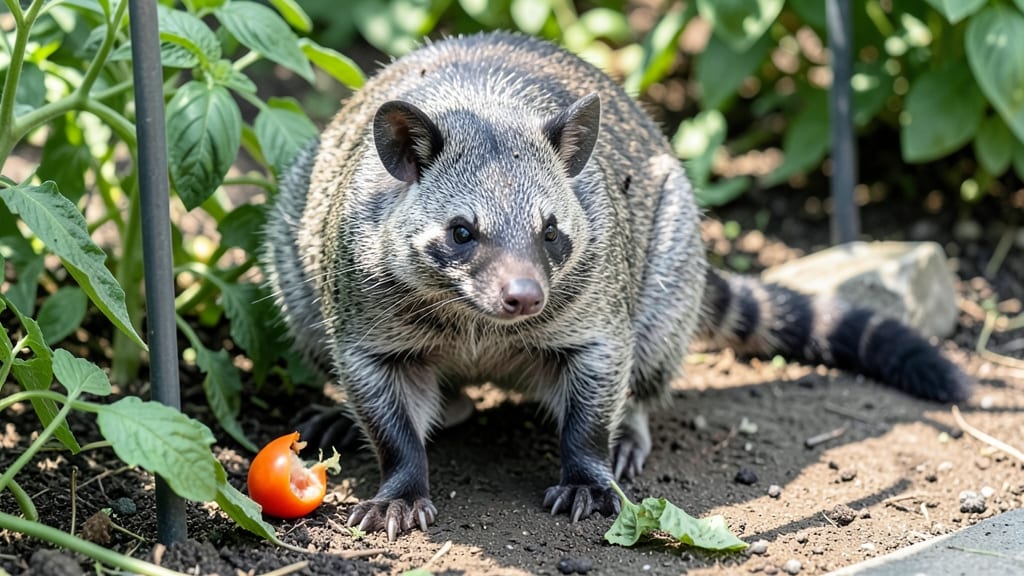
Learn how to protect tomato plants from deer without fences—my once-devastated tomatoes now thrive thanks to these clever, layered barriers. 🌱 The secret? Outsmarting them with defenses they can’t ignore.
I tried everything from commercial sprays to homemade concoctions, and these methods kept my plants standing through the entire growing season.
You don't need expensive fencing or complicated setups—just a few smart tools like repellent sprays, physical deterrents, and plant companions that deer avoid. The best part? These solutions are non-toxic, so they won't harm your plants, pets, or kids.
I'll show you exactly what worked in my garden, including the one trick that cut deer visits by 90% overnight.
By the end, you'll have lush, deer-free tomato plants producing fruit from first blossom to frost. No more sad, chewed vines—just healthy, thriving plants that actually make it to harvest. The secret is combining what deer hate with what they can't reach, creating a barrier they'll avoid every time.
Works in both small backyard gardens and larger plots, and adapts to different deer activity levels. Let's get those tomatoes growing without becoming a deer buffet!
📚 In This Guide
- What you need
- Instructions
- Tips and common mistakes
- Wrapping up and next steps
What you need
- ● Repellent Sprays: 1–2 gallons of deer repellent spray (look for plant-based or commercial options like Liquid Fence or Deer Out).
- ● Spray bottle or garden pump sprayer (1–2, 1-gallon capacity).
- ● Physical Barriers: 1–2 rolls of plastic bird netting (18–24 inches tall, 4–6 feet wide) or deer netting (heavier-duty, 5–6 feet tall).
- ● Sturdy garden stakes or T-posts (6–12 inches long, 8–12 stakes per 4-foot section).
- ● Zip ties, bungee cords, or landscape staples (for securing netting).
- ● Homemade Deterrents: 1–2 gallons of hot pepper sauce (like cayenne or Tabasco) or garlic spray (mix 1 tbsp per quart of water).
- ● Egg cartons, aluminum foil, or coffee grounds (scattered around plant bases).
- ● Scent-Based Repellents: 1–2 soapy bar (like Ivory) or human hair clippings (soak in water for 24 hours, then spray).
- ● Old menstrual products (controversial but effective—soak and spray).
- ● Motion-activated sprinkler (e.g., ScareCrow) to startle deer on contact.
- ● Reflective tape or old CDs hung near plants (deer dislike flashing lights).
- ● Compost or mulch (to mask tomato plant smells with earthy scents).
- ● Gloves and long sleeves (for handling spicy or pungent repellents).
Step-by-Step instructions for deer-proofing tomato plants without a fence
Here’s my battle-tested approach to keeping deer away from your tomato plants using natural deterrents and physical barriers.
🌿 Step 1: Plant Deer-Resistant Tomato Varieties
Start with varieties deer tend to avoid, like ‘Cherokee Purple’, ‘Brandywine’, or ‘Sungold’. Deer are less likely to browse these because of their strong scent or fuzzy foliage, but they’re not foolproof. I always plant a mix of these with my regular tomatoes to spread the risk.
Space your plants 18-24 inches apart to make it harder for deer to reach the center of the patch. A dense stand forces them to eat around the edges, where your barriers (coming next) will be most effective. If your garden is small, interplant with deer-deterrent herbs like rosemary or lavender—their scent confuses deer and masks the tomato aroma.
💧 Step 2: Apply Natural Deer Repellents
Use the homemade deer repellent spray (equal parts hot pepper sauce, garlic, and rotten eggs) mixed with 1 gallon of water. Spray the entire plant—leaves, stems, and soil around the base—every 3-5 days or after rain. Deer avoid the strong smells, but reapply after heavy rain or if new growth appears.
For a longer-lasting option, scatter granular deer repellent (like Liquid Fence Deer & Rabbit Repellent) around the base of each plant. Follow the label for application rates, but I’ve found 1 tablespoon per plant works well for a small garden. The key is consistency—deer learn to ignore repellents if they’re not refreshed regularly.
☀️ Step 3: Install Physical Barriers
Wrap the lower 12-18 inches of each tomato stem with hardware cloth (1/4-inch mesh) secured with plastic tree ties. Deer can’t chew through it, and the ties won’t damage the plant as it grows. For smaller gardens, plastic tree guards (6-8 inches tall) work just as well—just bury them 2 inches deep to prevent deer from knocking them over.
If you’re dealing with a larger plot, create a low perimeter barrier using chicken wire (18-inch tall) bent outward at the top to deter climbing. Bury the bottom 6 inches deep or weigh it down with bricks or rocks to stop deer from tunneling underneath. This method is labor-intensive but highly effective for raised beds or in-ground plantings.
✂️ Step 4: Use Motion-Activated Deterrents
Place a motion-activated sprinkler (like the Orbit Enforcer) near your tomato patch. Set it to light spray—just enough to startle deer without damaging the plants. The sudden burst of water scares them off, and they’ll avoid the area afterward. I’ve seen deer bolt at the first spray and avoid the garden for weeks.
For a quieter option, try deer-activated ultrasonic repellents (like the Predator Eyes). These emit high-frequency sounds when movement is detected, which deer find irritating. Place them 10-15 feet away from the plants and adjust the sensitivity so they only activate when deer approach. Check the batteries weekly—dead batteries mean no protection.
🌱 Step 5: Rotate and Combine Strategies
Deer adapt quickly, so rotate your deterrents every 2-3 weeks. For example, switch from repellent spray to hardware cloth for a week, then back again. This keeps them guessing and prevents them from learning to ignore one method. I also plant deer-resistant companion plants like marigolds or nasturtiums around the edges—their strong scent acts as a natural buffer.
Finally, harvest damaged leaves immediately—deer are more likely to return if they smell fresh tomato foliage. Prune any chewed stems back to healthy growth, and fertilize lightly to encourage new, deer-deterrent foliage. The goal is to make your garden less appealing than the neighboring woods or lawn.
Tips & tricks for protecting tomato plants from deer without a fence
Real talk: Deer are clever, and they’ll test every barrier you put up. Here’s how to stay one step ahead of them with these battle-tested strategies that actually work.
Plant Placement Strategy: In Step 1, when spacing your plants 18-24 inches apart, create a staggered pattern rather than rows. This makes it harder for deer to target individual plants—they’ll have to work through multiple stems to reach the center. I’ve found that adding a few extra plants at the perimeter creates a natural barrier effect, forcing deer to eat around the edges where your physical deterrents will be most effective.
Repellent Application Timing: For the homemade spray in Step 2, apply it in the early morning when dew is still on the leaves. This helps the repellent adhere better and lasts longer between applications. I’ve noticed that spraying after rain (as recommended) works best if you do it in the morning—evening applications tend to wash off overnight. The key is to make sure every leaf surface is fully coated, not just the stems.
Barrier Installation Secrets: When wrapping hardware cloth around stems in Step 3, leave a small gap at the top (about 1-2 inches) to allow for growth. Deer can’t reach through the mesh, but if you fully encase the stem, the plant will outgrow the barrier and become vulnerable. For plastic tree guards, I like to add a few extra guards around the perimeter—deer will often test the weakest point, so giving them multiple barriers to navigate makes them more likely to give up.
Motion Deterrent Placement: In Step 4, position your motion-activated sprinkler or ultrasonic device so it covers the entire perimeter of your garden, not just the center. Deer often approach from the edges, so having coverage there is critical. I’ve had success placing the sprinkler about 5 feet away from the plants—close enough to startle them but far enough to avoid wetting the foliage. For ultrasonic devices, test the sensitivity first; some deer become accustomed to the sound if it’s too faint.
Pro Tips for Protect Tomato Plants From Deer
- Real talk: Deer are clever, and they’ll test every barrier you put up.
- Plant Placement Strategy: In Step 1, when spacing your plants 18-24 inches apart, create a staggered pattern rather than rows.
- Repellent Application Timing: For the homemade spray in Step 2, apply it in the early morning when dew is still on the leaves.
Frequently asked questions
about keeping deer away from your tomato plants—because even the best gardeners need a little extra help!What’s the most effective deer repellent for tomato plants?
Commercial deer repellents with putrescent egg or thiram (a sulfur-based compound) are top-rated. Spray them on plants after sunset for best results—deer dislike the strong smells! For a DIY option, mix one egg + one quart of water and apply weekly. Reapply after rain to maintain effectiveness.
How often should I apply deer deterrents?
Most repellents last 1–2 weeks, but timing depends on the product. Reapply every 7–14 days or after heavy rain. For physical barriers like fencing, check monthly for gaps or damage. Consistency is key—deer learn patterns, so don’t skip treatments!
Will deer eat tomato plants even if I use repellents?
Some determined deer may still nibble, especially during late summer or drought when food is scarce. Layer defenses: Combine repellents with planting deer-resistant companions (like marigolds or basil) or motion-activated sprinklers for extra protection. Rotate methods seasonally for best results.
Are there affordable alternatives to fencing?
Try these budget-friendly options:
- Coffee grounds (sprinkle around plants—deer hate the smell!)
- Hot pepper wax (mix cayenne pepper with wax and rub on leaves)
- Aluminum pie pans (hang them to create noise/sound barriers)
- Landscape fabric tunnels (cover young plants temporarily)
These cost $5–$20 and can be just as effective as pricier solutions!
What do I do if deer already damaged my tomato plants?
Don’t panic! Prune damaged leaves to encourage new growth, and fertilize lightly with compost or tomato-specific food. For severe damage, consider planting fast-maturing varieties (like Early Girl or Cherry Tomatoes) next season. Monitor the area closely and reinforce defenses immediately.
Wrapping up and next steps
Protecting your tomato plants from deer doesn’t have to be a losing battle—with the right strategies, you can keep those hungry critters at bay without installing a fence! From natural repellents to clever plant companions and strategic planting, these methods are effective, budget-friendly, and easy to implement. 🌱🦌
Now that you’re armed with solutions, take action this weekend! Start with one or two methods that fit your garden best, and don’t forget to monitor and adjust as needed. Happy gardening—and may your tomatoes thrive deer-free! 🍅✨