Pruning
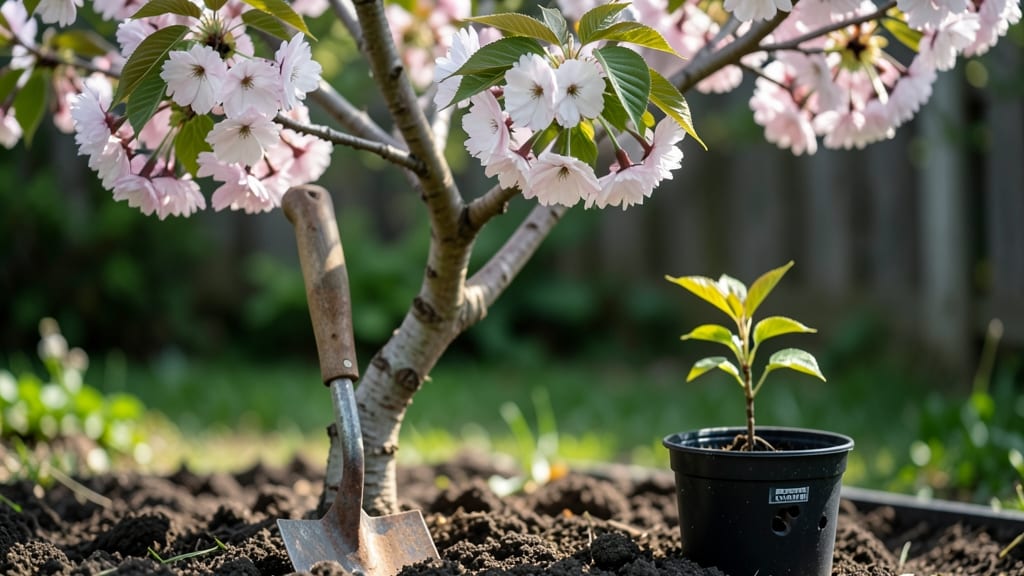
Planting a sakura tree means welcoming delicate pink blooms that transform your yard into a dreamy spring scene—but getting it right starts with the soil and site. 🌸 I’ve learned the hard way that sakura trees demand well-draining soil and full sun, or they’ll sulk with sparse blooms and weak growth.
The secret isn’t just digging a hole; it’s mimicking their natural forest-edge habitat where roots spread freely and water drains fast.
Timing matters just as much as technique. Spring or early fall planting gives roots time to settle before extreme heat or cold, but avoid late fall—you don’t want winter stress before the tree’s even had a chance.
A 5-foot-deep hole with loosened soil at the bottom prevents root suffocation, and a 10-foot spacing between trees ensures they don’t compete for sunlight or nutrients later. Most beginners overlook soil pH—sakura trees thrive in slightly acidic soil (6.0–6.5), so test and amend if needed.
Once planted, the first year is all about patience and consistency. Deep watering twice a week keeps roots happy, but avoid soggy soil—their roots rot faster than you’d think. Mulch helps retain moisture and regulates temperature, but keep it 3 inches away from the trunk to prevent rot.
By year two, you’ll see the payoff: vibrant foliage and those iconic blossoms that make every spring unforgettable.
Here’s where pruning comes in—don’t skip it. Light shaping in late winter removes deadwood and encourages strong branches, but avoid heavy cuts that trigger stress. Sakura trees reward careful attention with decades of blooms, so think long-term.
The first pruning isn’t just about aesthetics; it’s about setting up a tree that’ll outlast your garden plans.
📚 In This Guide
- What you need
- Instructions
- Tips and common mistakes
- Wrapping up and next steps
What you need
- ● Sakura tree sapling: Choose between Prunus serrulata (ornamental) or Prunus avium (edible). Select a 1-3 gallon container-grown or bare-root tree (dormant season: fall/winter).
- ● Shovel or digging spade: A 12-18” wide, heavy-duty shovel for breaking ground.
- ○ Garden gloves: Nitrile-coated for durability (optional but recommended!).
- ● Compost or well-aged manure: 5-10 lbs to enrich planting soil.
- ● Mulch (wood chips or straw): 2-3 inches to retain moisture and suppress weeds.
- ● Watering can or hose with nozzle: A gentle spray setting to avoid disturbing roots.
- ○ Tree stake (optional but helpful): 1-2 stakes + soft ties for young trees in windy areas.
- ● Sunlight: Full sun (6+ hours/day). Sakura trees thrive in USDA Zones 5-8.
- ● Soil: Well-draining, slightly acidic (pH 5.5-6.5). Amend heavy clay with sand or perlite if needed.
- ● Space: Mature sakura trees need 20-30 feet of clearance (root spread + canopy).
- ● Timing: Plant in early spring (March-April) or fall (October-November) for best root establishment.
Step-by-step instructions for planting a sakura tree
Here's how to plant a sakura tree for stunning spring blooms and graceful year-round presence.
🌱 Step 1: Choose the Perfect Planting Location
Sakura trees thrive in full sun—select a spot that receives at least 6-8 hours of direct sunlight daily. I always check the tree's mature size (some grow 20-30 feet tall) and ensure it has 10-15 feet of clearance from structures, sidewalks, or other plants. The soil should drain well—sakuras hate soggy roots.
Dig a hole twice as wide as the root ball but only as deep as the container's base. Loosen the sides of the hole with a shovel to help roots spread easily. If your soil is heavy clay, mix in 2-3 inches of compost from the ingredients list to improve drainage and fertility.
🪴 Step 2: Prepare the Tree and Plant
Remove the sakura from its container and gently tease the roots outward if they're circling. Place the tree in the hole so the top of the root ball sits 1-2 inches above ground level—this prevents water from pooling around the trunk. Fill the hole with soil, tamping lightly every 2 inches to remove air pockets.
I always water the tree deeply right after planting to settle the soil. Use 5 gallons of water to encourage roots to expand into the surrounding earth. Avoid fertilizing immediately—new roots need time to establish before they can handle nutrients.
☀️ Step 3: Mulch and Prune for Healthy Growth
Spread 3-4 inches of mulch in a circle around the tree, keeping it 6 inches away from the trunk to prevent rot. Use the organic mulch from your ingredients list—it retains moisture while allowing air to reach the roots. Water the mulch lightly to help it settle.
Prune any broken or damaged branches immediately, but avoid heavy pruning in the first year. Sakura trees bloom on last year's growth, so I only remove dead wood or crossing branches that could rub together. Use clean, sharp pruners to make cuts just above a bud or branch collar.
⏰ Step 4: Water and Maintain Through the First Year
Water your sakura deeply once a week during the first growing season, providing 10-15 gallons total per watering. Check the soil 2 inches below the surface—if it's dry, it's time to water. Overwatering is worse than underwatering, so always let the top layer dry out between sessions.
In late fall, apply a light layer of mulch (1-2 inches) to insulate roots from winter cold. I avoid fertilizing until spring, when new growth begins. Watch for signs of stress like yellowing leaves—this usually means the tree needs more water or better drainage.
Tips & tricks for perfect sakura tree planting
Real talk: Planting a sakura tree isn't just about digging a hole—it's an investment in years of beauty. Here's what nobody tells you about getting it right the first time.
Location is Everything: That 6-8 hours of sunlight isn't just a suggestion—sakura trees are sun worshippers. I've seen trees planted in partial shade struggle for years. If your yard has afternoon shade, consider the tree's mature height (20-30 feet) and plant it where it'll get maximum sun as it grows. The south or west side of your yard is usually ideal. Also, avoid low spots where water pools—sakuras despise soggy roots more than anything.
Root Ball Secrets: When you remove the tree from its container, don't just drop it in the hole. Gently tease those circling roots outward with your fingers—this encourages them to spread into the surrounding soil. And here's a pro move: After planting, I always do a "root shake" by gently wiggling the tree back and forth. This helps break up any remaining root circles that might have formed in the container. The 1-2 inches above ground level for the root ball? That's not a typo—it prevents water from sitting against the trunk and causing rot.
Watering Wisdom: Those 5 gallons of water right after planting aren't just for show—they're what gets your tree off to a strong start. But here's the thing: Overwatering is the silent killer of young sakuras. After that initial deep watering, let the top 2 inches of soil dry out between waterings. I use my finger to check moisture—if it feels dry at that depth, it's time to water. And when you do water, go deep—10-15 gallons total per session helps establish strong roots that can reach down for moisture.
Mulch Like a Pro: The 3-4 inches of mulch isn't just decoration—it's a protective blanket for your tree's roots. I always create a donut shape, keeping it 6 inches away from the trunk to prevent rot. For that fall mulch layer (1-2 inches), I mix in some of the compost we mentioned earlier. This gives a little winter nutrition while insulating against cold snaps. And here's a bonus: Mulch helps regulate soil temperature, which is especially important in hot summers when roots can get stressed.
Pro Tips for Sakura Tree Planting
- Real talk: Planting a sakura tree isn't just about digging a hole—it's an investment in years of beauty. Here's what ...
- Location is Everything: That 6-8 hours of sunlight isn't just a suggestion—sakura trees are sun worshippers. I've see...
- Root Ball Secrets: When you remove the tree from its container, don't just drop it in the hole. Gently tease those ci...
Frequently asked questions
Got questions about planting and caring for your sakura tree? You’re not alone! Here are some of the most common queries—plus straightforward answers to help you grow a stunning tree year after year.
When is the best time to plant a sakura tree?
The ideal time is early spring or fall (3–4 weeks before the first frost). This gives roots time to establish before extreme weather. Avoid planting in summer heat or winter cold, as stress can stunt growth. If you must plant in summer, water deeply and mulch to retain moisture.
Can I plant a sakura tree in winter?
Winter planting is possible but risky—bare-root trees can survive, but container-grown sakuras need extra care. If you plant in winter, avoid frozen ground, use a root stimulator, and mulch heavily (4–6 inches) to insulate roots. Water only when the ground isn’t frozen to prevent root rot.
What if my sakura tree isn’t blooming?
Sakuras need 5–7 years of maturity to bloom, but poor flowering can also stem from lack of sunlight, improper pruning, or nutrient deficiencies. Ensure it gets 6+ hours of sun daily and prune in late winter to remove dead wood. Fertilize in early spring with a balanced 10-10-10 formula for best results.
Are there dwarf sakura varieties for small yards?
Yes! Consider ‘Kanzan’ (Japanese Tree Lilac) or ‘Little Princess’, both compact and bloom prolifically. These stay 10–15 feet tall and work well in urban spaces. Just ensure they have adequate airflow to prevent fungal diseases common in tight spaces.
How do I prune a sakura tree to encourage more flowers?
Prune in late winter (before buds swell) to shape the tree and remove dead or crossing branches. Avoid heavy pruning—sakuras bloom on old wood, so focus on light thinning (10–20%) to improve airflow. Never prune after blooms fade, as this reduces next year’s flowers.
Why are my sakura leaves turning yellow?
Yellow leaves often signal overwatering, nutrient deficiency, or fungal issues. Check soil moisture—sakuras prefer well-draining soil. If roots are waterlogged, improve drainage. For yellowing between veins, test for iron or nitrogen deficiency and amend soil with compost or a chelated iron supplement.
Wrapping up and next steps
Planting a sakura tree isn’t just about adding beauty to your landscape—it’s an investment in seasonal joy and long-term care. With the right tools, timing, and pruning techniques, your tree will thrive year after year, gracing your space with delicate blooms and lush foliage.
Whether you’re a beginner or a seasoned gardener, the key is patience and consistency.
Ready to make it happen? Start by marking your calendar for early spring—then gather your tools and roll up your sleeves! 🌸 For extra support, join local gardening groups or consult a horticulturist to fine-tune your approach. Your future sakura will thank you!