
Pests
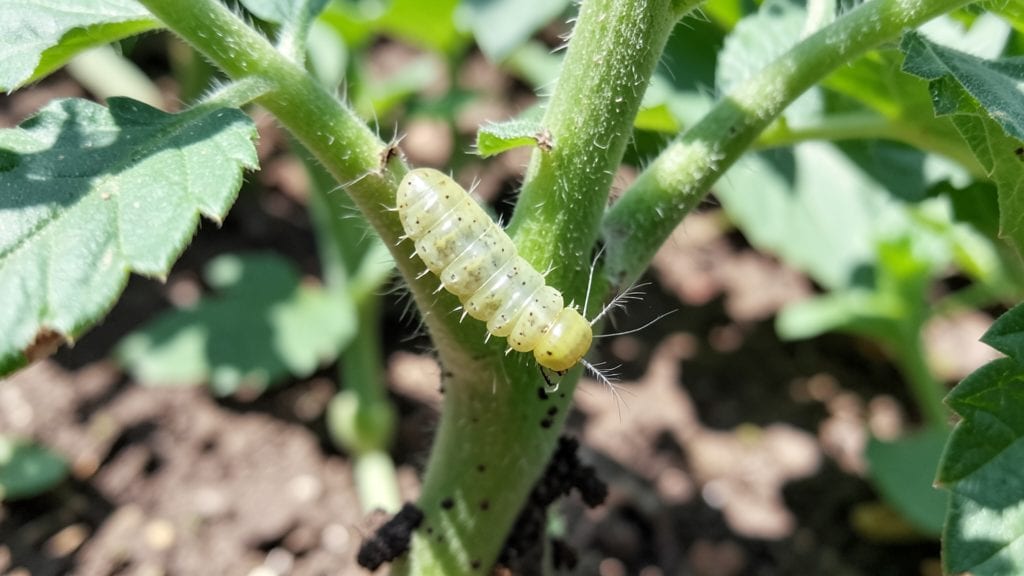
Keeping worms off tomato plants saved my harvest last summer when tomato hornworms turned my plants into skeleton leaves overnight. 🌱 The key isn't just spotting them—it's stopping them before they strike with simple, organic barriers that actually work.
Most gardeners miss the early signs: chewed leaves, black droppings, or the worms themselves hiding under foliage. I learned to check plants every morning after dew dries—those first few minutes make all the difference. Physical barriers like row covers or collars around stems keep them out without chemicals.
You'll see results fast: plants stay lush and green, fruits develop without holes, and the ecosystem stays balanced. The best part? These methods protect bees and butterflies while keeping your tomatoes safe. Here's exactly how to set them up.
Works for all tomato varieties, from cherry to beefsteak, and adapts to containers or in-ground gardens. No more lost harvests—just healthy plants and happy worms (somewhere else).
📚 In This Guide
- What you need
- Instructions
- Tips and common mistakes
- Wrapping up and next steps
What you need
- ● Copper tape or wire: 1–2 rolls (½-inch wide, 100–200 feet long). Copper disrupts worms’ nervous systems—perfect for wrapping plant stems!
- ● Diatomaceous earth (food-grade): 1–2 lbs. A natural, non-toxic powder that dehydrates worms on contact. Pro tip: Reapply after rain!
- ● Row covers or lightweight fabric: 1–2 pieces (3–4 ft wide, 10–20 ft long). Use floating row covers (made of breathable fabric like Agribon) to physically block worms.
- ● Stakes or trellis supports: 4–6 wooden or metal stakes (5–6 ft tall) + twine or zip ties. Helps elevate plants slightly to deter ground-dwelling pests.
- ○ Compost or mulch (optional but helpful): 2–3 inches of straw, wood chips, or coffee grounds. Keeps soil moist and discourages worm activity near the base.
- ● Neem oil (100% cold-pressed): 1–2 bottles (16–32 oz). Acts as a deterrent when sprayed on leaves. Bonus: Also repels other pests!
- ● Garden gloves: 1 pair (nitrile or cotton). Protects your hands from diatomaceous earth and soil.
- ● Spray bottle (16 oz): For applying neem oil or homemade sprays.
- ● Beer traps: Small containers filled with beer (worms are attracted to it!). Bury them near plants for a fun (and effective) solution.
- ● Chicken wire or hardware cloth: 1–2 ft wide strips. Create a barrier around plant bases to block worm entry.
- ● Beneficial nematodes (Phasmarhabditis hermaphrodita): 1–2 lbs. Microscopic allies that target cutworms naturally. Best for: Severe infestations.
- ● Garlic or chili pepper spray: 1–2 cups of blended garlic/chili + 1 gallon water. Spray around plants as a natural repellent.
- ● Reflective mulch (e.g., aluminum foil strips): 1–2 rolls. Confuses worms with light reflections—great for nighttime protection!
Step-by-Step instructions for protecting tomato plants from worms
Here's the straightforward, no-fuss approach I use every season to keep tomato plants worm-free.
🪴 Step 1: Set Up Physical Barriers at Planting Time
Start by installing collars around each tomato plant stem. Use cardboard collars (cut from a box) or plastic collars (like those for saplings). These should be 6-8 inches tall and buried 1-2 inches deep in the soil around the plant stem. The collar acts as a physical block that worms can't penetrate.
Make sure the collar fits snugly against the stem—no gaps. If you notice any small holes where worms might squeeze through, seal them with duct tape or soil. This is the most effective first line of defense, and it works immediately. I like to check these collars weekly to ensure they're still intact, especially after heavy rain.
🌿 Step 2: Apply Organic Mulch to Deter Worms
Spread a 2-3 inch layer of straw mulch or wood chips around the base of the tomato plants, keeping it 6 inches away from the stem. This creates an unwelcoming environment for worms while also conserving moisture and suppressing weeds. The mulch layer disrupts the worms' ability to crawl up the plant stems.
Refresh the mulch every 4-6 weeks as it breaks down. I always keep a fresh supply on hand because decomposed mulch loses its effectiveness. Avoid using grass clippings—they can attract worms and other pests. Stick to straw or wood chips for the best results.
✂️ Step 3: Handpick and Remove Worms Regularly
Inspect your tomato plants every 2-3 days, especially in the morning when worms are sluggish. Look under leaves, along stems, and around the base of the plant. Use tweezers or gloves to gently lift and drop worms into a bucket of soapy water—this ensures they don’t survive to crawl back.
This step might feel tedious, but it’s the most reliable way to catch worms early. I’ve found that consistency is key—even just 10 minutes a day makes a huge difference. If you spot a lot of worms in one area, consider adding more mulch or reinforcing the collar immediately.
☀️ Step 4: Use Natural Predators to Keep Worms in Check
Encourage beneficial insects like ground beetles, spiders, and parasitic wasps by planting marigolds, dill, or fennel nearby. These predators naturally feed on worms and other pests. You can also introduce nematodes (microscopic worms that attack harmful pests) by applying them to the soil according to package instructions.
I’ve had the best luck with companion planting—marigolds, in particular, repel worms with their strong scent. Just place a few around the perimeter of your tomato patch. Avoid chemical pesticides, as they can harm these natural predators and disrupt the balance in your garden.
Tips & tricks for protecting tomato plants from worms
These practical tips will help you maximize your worm defense strategy and keep your tomato plants thriving all season long.
Collar Placement Matters: When installing those 6-8 inch tall collars in Step 1, position them at least 1 inch away from the plant stem. This creates a small gap that makes it harder for worms to find their way up while still blocking their access. I've found that using plastic collars works best because they hold their shape better than cardboard after rain. If you notice any gaps forming, reinforce immediately with duct tape or soil.
Mulch Refresh Timing: The 4-6 week refresh schedule for mulch in Step 2 is crucial because decomposed mulch actually becomes a worm attractant. I set a calendar reminder to check my mulch every 4 weeks—this prevents any buildup of worm-friendly conditions. For extra protection, I like to add a thin layer of diatomaceous earth around the base after refreshing the mulch, though this is optional.
Handpicking Efficiency: Those 10 minutes of daily inspection in Step 3 make all the difference. I've learned to focus on the undersides of leaves and the base of the plant where worms hide. Keep a small bucket of soapy water nearby—it's more effective than just dropping worms on the ground. I've even trained my kids to help with this step, and it's become a quick daily habit that prevents infestations.
Companion Planting Strategy: For Step 4, plant marigolds in a circle around your tomato patch rather than just at the perimeter. The strong scent creates a protective barrier that worms avoid. I've also found that planting basil nearby not only repels pests but also improves tomato flavor—it's a win-win situation.
Pro Tips for Keep Worms Off Tomato Plants
- These practical tips will help you maximize your worm defense strategy and keep your tomato plants thriving all season long.
- Collar Placement Matters: When installing those 6-8 inch tall collars in Step 1, position them at least 1 inch away from the plant stem.
- Mulch Refresh Timing: The 4-6 week refresh schedule for mulch in Step 2 is crucial because decomposed mulch actually becomes a worm attractant.
Frequently asked questions
about keeping worms off your tomato plants—because even the best gardeners need a little help! Here are answers to the most common queries to keep your tomatoes thriving.What’s the best time of day to apply natural worm deterrents?
Apply deterrents like diatomaceous earth or neem oil early in the morning or late in the evening. This gives the treatment time to dry or settle before dew or rain washes it away. Avoid midday heat, which can reduce effectiveness.
Will coffee grounds really keep worms away?
Yes! Coffee grounds create an acidic barrier that repels many worms, including cutworms and slugs. Sprinkle used (cooled) grounds around your tomato plants, but avoid overdoing it—too much can alter soil pH over time.
Can I still use chemical pesticides if natural methods fail?
While natural methods are preferred, if worms persist, opt for targeted organic pesticides like Bacillus thuringiensis (Bt) or spinosad. Always follow label instructions and reapply after rain. Avoid broad-spectrum chemicals to protect beneficial insects.
How long until I see results from these deterrents?
Some methods, like copper tape or physical barriers, work immediately. Others, like diatomaceous earth or neem oil, may take 24–48 hours to show full effectiveness. Consistency is key—reapply after rain or every few weeks for best results.
Are there any plants that naturally repel worms from tomatoes?
Yes! Companion plants like basil, marigolds, or garlic can help deter worms. Their strong scents mask tomato plants, confusing pests. Plant them nearby or intersperse them in your garden for added protection.
What should I do if worms return after treatment?
Rotate methods! If one deterrent fails, try a different approach (e.g., switch from diatomaceous earth to neem oil or handpick worms at night). Also, check for overwatering or mulch buildup, which can attract pests.
Wrapping up and next steps
Keeping worms off your tomato plants is totally doable with a few simple, natural tricks! From copper tape and diatomaceous earth to companion planting and proper watering, these methods create effective barriers without harsh chemicals. Your tomatoes will thrive—just stay consistent and proactive.
Ready to take action? Start with one or two methods this week—test what works best for your garden, and soon you’ll be harvesting juicy, worm-free tomatoes! 🌱🍅