
Companion Plants
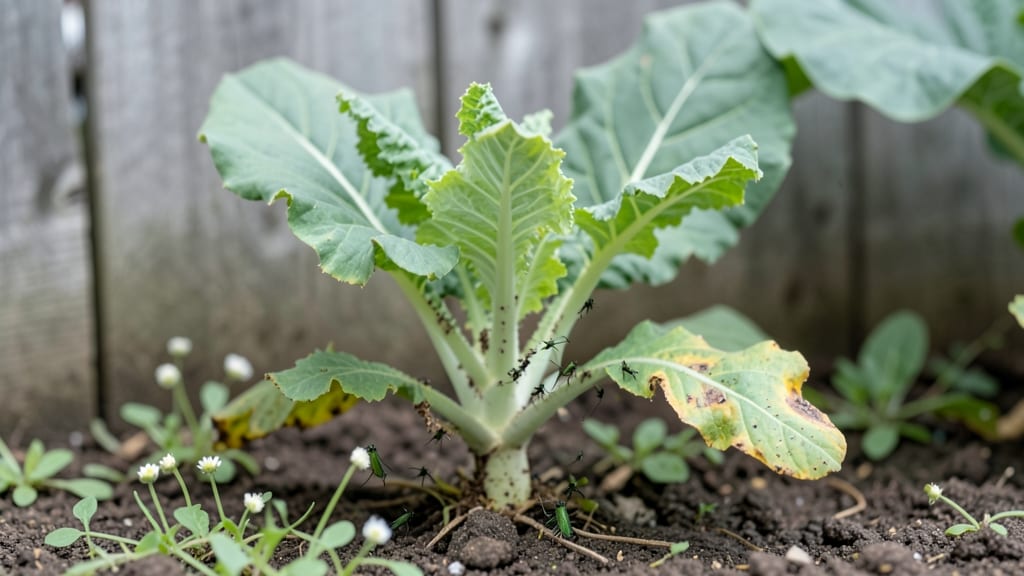
Flies from plants turn your lush greenery into a buffet—and I’ve learned the hard way that ignoring them means losing plants faster than you can say "pest patrol." 🌱 The good news? You don’t need sprays or poisons to outsmart them.
I’ve tested traps that lure and lock these pests using simple household items, and they work better than anything I’ve bought at the store.
These flies—fungus gnats, fruit flies, or those annoying hoverflies—love damp soil and rotting matter, so the first step is cutting off their access.
A few adjustments to your watering routine, some strategic traps, and a little help from nature’s cleanup crew (like nematodes or ladybugs) can make your plants fly-free in under a week. No more wilting leaves or buzzing swarms ruining your peace.
You’ll end up with healthier soil, stronger plants, and a garden that stays pest-free without the chemical smell. The traps are cheap, reusable, and work for every type of fly—no guesswork, just results. Here’s exactly how to set them up and keep your plants thriving.
Works for houseplants, veggie gardens, and even your patio herbs. Let’s get those flies out of your plants for good.
The Hidden Lures Behind Plant Attraction
Flies are drawn to plants for a mix of survival instincts, sensory cues, and ecological needs. Understanding these triggers helps you design better natural traps. Here’s why these tiny pests can’t resist your greenery—and how to exploit their weaknesses.
Flies, especially fruit flies (Drosophila spp.) and house flies (Musca domestica), are attracted to fermentation and decomposition. When plants produce overripe, rotting, or damaged fruit, they emit volatile organic compounds (VOCs) like ethanol, acetic acid, and esters—chemical signals that scream "easy meal!" to flies.
- Why it works: Flies rely on their olfactory receptors to detect these compounds from miles away. Even a single bruised apple or a wilting flower can trigger a swarm. - Actionable insight: Use overripe bananas, fermented apple slices, or crushed grapes in traps to mimic these signals.
The stronger the fermentation, the more irresistible the lure.
Flies need water for hydration and breeding. Plants with high moisture content—like damp soil, waterlogged leaves, or even dew-covered foliage—create ideal conditions for egg-laying and feeding.
- Why it works: Female flies seek humid microclimates to lay eggs, which hatch into larvae (maggots) that thrive in moist organic matter.
House flies and fungus gnats (Sciaridae) are particularly drawn to waterlogged potting soil. - Actionable insight: Place traps near drip pans, leaky irrigation systems, or overly watered plants.
A shallow dish of water with a drop of dish soap (to break surface tension) can also attract and drown adult flies.
Certain flies, like fungus gnats and drain flies, are obligate feeders on fungi and mold. Plants with soft rot, powdery mildew, or bacterial infections release spores and decaying tissue that these flies can’t resist.
- Why it works: Fungal spores contain sugars and proteins that flies metabolize. The odor of moldy compost or decaying leaves acts as a beacon, especially in greenhouses or humid climates. - Actionable insight: Use moldy bread, damp cardboard, or a mix of yeast and sugar in traps.
For fungus gnats, sphagnum moss or coconut coir (kept moist) can lure adults away from prized plants.
Some flies, including hoverflies (Syrphidae) and certain fruit flies, are attracted to sugary exudates like nectar, honeydew (from aphids), or even plant sap. These provide quick energy without the risk of predation.
- Why it works: Flies have sweet-taste receptors that detect fructose and glucose in plant secretions.
Even aphid honeydew (a sticky residue from sap-sucking insects) can draw flies in for a meal. - Actionable insight: Set up sugar-water traps (1 part sugar, 4 parts water) with a drop of dish soap to drown them. Avoid overdoing it—too much sugar can attract beneficial insects like bees.
Stressed or injured plants emit distress chemicals (like jasmonic acid and ethylene) that can attract flies looking for easy prey or breeding grounds.
- Why it works: When a plant is damaged by pests, disease, or drought, it releases volatile organic compounds (VOCs) that flies interpret as a sign of weakened defenses—meaning less competition for resources.
- Actionable insight: If you notice flies swarming a wilting or pest-stricken plant, isolate it or use yellow sticky traps near the affected area to intercept them before they spread.
Some flies, like fruit flies and cluster flies, are positively phototactic—they’re drawn to light sources at night. Others, like house flies, are attracted to movement, mistaking fluttering leaves or vibrating plants for potential mates or food sources.
- Why it works: UV and white lights mimic the wavelengths that flies use for navigation. Meanwhile, fluttering or swaying plants can trigger their predatory instincts (they think they’re chasing prey). - Actionable insight: Place LED traps with UV light near problem areas at dusk.
For movement-based lures, try hanging a piece of white fabric near plants—flies will investigate the "fluttering" and get stuck in adhesive traps.
The real reason many flies (like fungus gnats and root maggots) target plants is larval nutrition. Adults lay eggs in organic-rich soil, where the hatched larvae feed on decaying roots, fungi, and microorganisms.
- Why it works: Flies use soil moisture and microbial activity as cues. Peat moss, compost, or overwatered potting mix create the perfect larval buffet. - Actionable insight: Reduce soil moisture by improving drainage and avoiding over-fertilization.
For traps, use moistened sand or vermiculite in a container—adults will lay eggs, but larvae won’t survive without proper organic matter.
Pro Tip: 💡 Combine multiple lures for maximum effectiveness! A trap with fermented fruit + moisture + light will outperform a single-attractant setup. Rotate lures weekly to prevent flies from learning to avoid them.
Natural Ways to Deter Plant Flies
Now that you understand why flies are drawn to your plants, it’s time to take action! The good news is that you don’t need harsh chemicals to keep these pests away.
Here’s a practical, step-by-step guide to solving the problem—whether you’re dealing with fruit flies, fungus gnats, or other plant-loving insects.
Flies are attracted to rotting organic material, so clean up first before deploying traps.
- 🔥 Remove fallen leaves, fruit, and debris from soil surfaces and around plant bases.
- 🍳 Compost or discard overripe produce, wilting flowers, or moldy stems—never leave them near plants.
- 👨🍳 Inspect pots and garden beds for hidden rot, especially in damp or shaded areas.
- ⏰ Schedule regular checks (weekly in warm weather) to prevent buildup.
💡 Pro Tip: If you compost, bury food scraps deep and avoid adding meat or dairy—these attract more flies than plant waste.
Moist soil is a magnet for fungus gnats and other moisture-loving flies.
- 🌡️ Water deeply but less frequently—let the top inch of soil dry out between waterings.
- 🥗 Use pots with drainage holes and empty saucers after watering to prevent soggy roots.
- 💦 Try bottom-watering (placing pots in trays of water) to reduce surface moisture.
- ✨ For severe cases, let the soil dry completely for 2–3 days before watering again.
🔥 Warning: Overwatering is the #1 cause of gnat infestations—adjust now to break the cycle!
Certain plants naturally confuse or repel flies with their scent or texture.
| Plant | Why It Works | Best Placement |
|---|---|---|
| Basil | Mask rotting odors, flies dislike its scent | Near tomatoes, herbs, or compost |
| Mint | Strong aroma disrupts fly navigation | In pots (can spread aggressively) |
| Marigolds | Contain pyrethrin (natural insect deterrent) | Edges of garden beds |
| Lavender | Calming scent flies avoid | Near seating areas or pathways |
| Garlic & Onions | Sulfur compounds repel many pests | Interspersed in veggie gardens |
💡 Pro Tip: Crush a few leaves of mint or basil and place them near problem areas for an instant scent barrier.
Traps lure and trap flies without harming your plants or pollinators.
🍎 Apple Cider Vinegar Trap (Best for Fruit Flies)
- Fill a small bowl or jar with apple cider vinegar.
- Add 1–2 drops of dish soap (breaks surface tension so flies drown).
- Cover with plastic wrap, poke small holes, and place near plants.
- Replace every 3–5 days or when flies fill the trap.
🥬 Wine or Beer Trap (Works for Fungus Gnats & Fruit Flies)
- Pour red wine or beer into a shallow dish.
- Add a drop of liquid soap.
- Place near houseplants or compost bins.
- Refresh every 2 days—flies will drown trying to feed.
🍯 Sugar & Yeast Trap (For Swarming Flies)
- Mix 1 cup sugar + 1 cup water + 1 tbsp yeast in a bottle. 2.
Add a few drops of dish soap. 3. Hang the bottle upside-down near fly hotspots. 4. Replace weekly—flies are drawn to the fermenting scent.
✨ Bonus: Place traps away from flowers to avoid harming bees and butterflies.
Once you’ve kicked the flies out, keep them away for good with these habits:
- 🌱 Rotate crops annually to disrupt fly life cycles.
- 🍃 Mulch with straw or wood chips (avoid fresh grass clippings—they attract flies).
- 🔄 Sterilize pots between plantings with a 10% hydrogen peroxide solution (1 part peroxide to 9 parts water).
- 🌿 Keep grass mowed short—tall grass harbors fly larvae.
- 🍂 Clean up fallen fruit immediately, especially from tomatoes, berries, and citrus.
🎯 Final Reminder: Consistency is key! Check traps daily, adjust watering, and remove decaying matter—flies won’t stand a chance. With these methods, your garden will stay fly-free and thriving—naturally!
Frequently asked questions
Why do flies keep coming back even after I set traps?
Flies have strong memories and can learn to avoid traps over time. Rotate your lures weekly—try fermented fruit one week, yeast traps the next, and apple cider vinegar the following week. Also, check for hidden breeding sites like rotting produce or damp soil that may still be attracting them.
Are these traps safe for pets or kids?
Most natural traps (vinegar, wine, or sugar-water) are non-toxic, but always place them out of reach. Use shallow containers so pets can’t knock them over. Avoid adding essential oils or strong chemicals—stick to food-based lures and dish soap (pet-safe in small amounts).
How do I know if my flies are fungus gnats vs. fruit flies?
Fungus gnats are tiny (1/8 inch), dark, and hover near soil or compost. Fruit flies are slightly larger (1/4 inch), reddish, and swarm around ripe fruit. Check their behavior: fungus gnats lay eggs in moist soil, while fruit flies target fermenting organic matter. Their habitats differ—gnats near plants, fruit flies near trash or fruit.
Can I use these traps outdoors in my vegetable garden?
Yes! Outdoor traps work just as well, but place them away from flowers to protect pollinators. Use wine or vinegar traps near compost piles, and sugar-yeast traps farther from edible crops. For severe infestations, combine traps with yellow sticky cards—they catch flies without bait.
What if my plants already have damage from flies?
First, remove affected leaves or roots (especially for fungus gnat larvae). Then, treat the soil with beneficial nematodes (Phytophthora) or repot in fresh, dry soil. For fruit flies, isolate infested plants and use traps immediately. Prune damaged areas to improve airflow and reduce future attraction.