
Fertilization
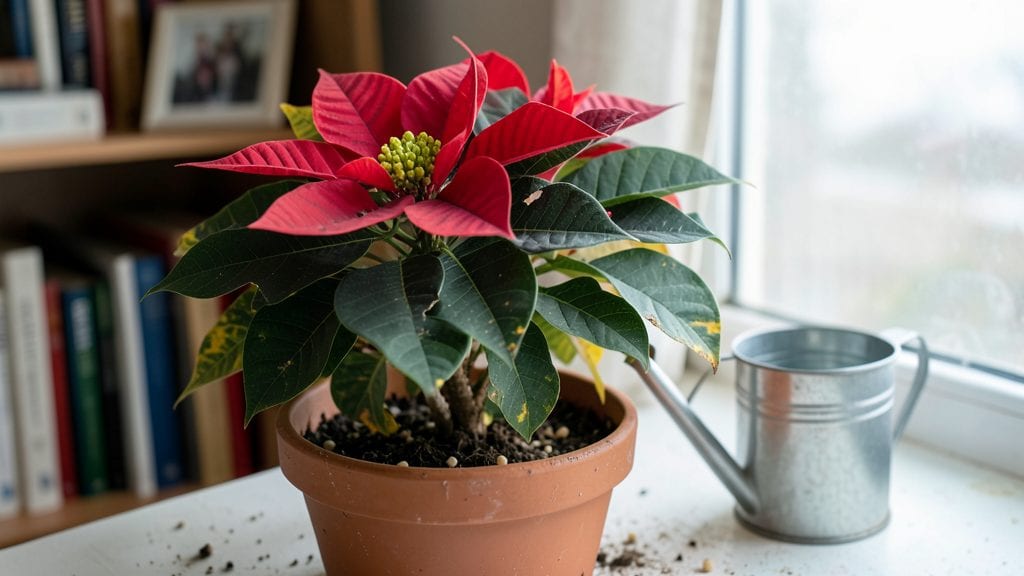
Fertilizing poinsettias unlocks their signature red leaves—here’s how to do it right. 🌿 I’ve learned the hard way that these plants need a specific feeding schedule to avoid leggy growth and weak blooms. Most people overdo it, but poinsettias thrive with a balanced approach during their active growing season.
The key is using a low-phosphorus, high-potassium fertilizer like 10-10-20 or 20-20-20, diluted to half-strength. Feed every 2-4 weeks from spring through early fall, but stop completely once buds form in late summer. Over-fertilizing burns roots and causes yellow leaves—something I’ve seen too many times.
By following this routine, you’ll end up with bold, glossy bracts that last through the holidays. The secret isn’t just the fertilizer—it’s timing. Too much too late kills the blooms before they even start. Start now, and you’ll have a showstopper next December.
Works for both potted plants and garden beds, though container-grown poinsettias need more frequent monitoring. Here’s how to keep them thriving without the guesswork—no more sad, sparse blooms in your home.
📚 In This Guide
- What you need
- Instructions
- Tips and common mistakes
- Wrapping up and next steps
What you need
- ● Balanced liquid fertilizer (e.g., 10-10-10 or 20-20-20 NPK ratio) – 1 tsp per gallon of water (or follow label instructions).
- ● Watering can or spray bottle (with a fine mist nozzle for even distribution).
- ● Poinsettia plant (healthy, with no signs of pests/disease).
- ● Measuring spoon or dropper (for precise fertilizer dosing).
- ● Well-draining pot or container (if repotting—ensure drainage holes are present).
- ● pH test kit (to check soil acidity—ideal range: 6.0–6.5).
- ● Slow-release fertilizer granules (for steady nutrition over 3–6 months).
- ● Glove (to protect hands from fertilizer residue).
- ● Timer or calendar (to track fertilization schedule).
- ● Organic matter (e.g., compost or worm castings—1 tbsp per pot for extra nutrients).
Step-by-step instructions for fertilizing poinsettias
Here’s how to feed your poinsettias for those signature red bracts—timing and balance are everything.
🌱 Step 1: Choose the Right Fertilizer and Schedule
Use a balanced, water-soluble fertilizer (like 10-10-10 or 20-20-20) diluted to half-strength. Poinsettias are sensitive to excess salts, so I always dilute—never apply straight from the bottle. Start fertilizing once a week after the plant finishes blooming in late winter or early spring, right as new growth begins.
Stop fertilizing 8-10 weeks before you want the plant to bloom. This break forces the plant to focus on developing buds instead of leafy growth. You’ll see the first signs of bud formation as small, tight clusters at the stem tips—this is your cue to resume feeding lightly with a low-phosphorus fertilizer (like 10-5-10) to encourage vibrant red bracts.
☀️ Step 2: Time Feedings for Maximum Uptake
Fertilize in the morning when temperatures are cooler and the plant can absorb nutrients efficiently. Avoid fertilizing in the evening—wet foliage overnight invites fungal diseases like powdery mildew. I like to mix the diluted fertilizer in a watering can and apply it directly to the soil, ensuring the solution reaches the root zone without pooling on leaves.
After feeding, water thoroughly to rinse any fertilizer residue from the soil surface. This prevents salt buildup, which can cause leaf yellowing or browning at the edges. Watch for dark green, glossy leaves—this is a sign the plant is absorbing nutrients well. If leaves look dull or develop crispy edges, flush the soil with plain water to reduce salt concentration.
💧 Step 3: Adjust for Bloom Time
Eight weeks before your target bloom date (typically mid-October for holiday displays), switch to a high-phosphorus fertilizer (like 10-30-20) to boost flowering. Phosphorus triggers the development of those showy bracts. Apply this every 2-3 weeks at half-strength, and keep the plant in 12 hours of darkness per night to simulate winter conditions—this is critical for blooming.
During this phase, reduce watering slightly to encourage root stress, which paradoxically strengthens the plant’s ability to produce vibrant bracts. Let the top 1-2 inches of soil dry out between waterings, but never let the plant wilt. You’ll know you’re on track when the bracts start to color up—first in pale green, then transitioning to pink before deepening into red.
✂️ Step 4: Post-Bloom Care and Pruning
After the bracts fade, prune the plant back by one-third to encourage bushier growth. Use clean, sharp pruners to cut just above a leaf node, and remove any yellow or damaged foliage. Fertilize lightly again with a balanced formula to support new growth, but avoid heavy feeding—you want the plant to focus on rebuilding rather than producing excessive foliage.
This is also the time to repot if needed—poinsettias grow quickly and often outgrow their containers. Choose a pot just 1-2 inches larger in diameter than the current one, and use a well-draining potting mix. Overpotting leads to soggy roots, so err on the side of a snug fit. You’ll see fresh, vibrant growth within 4-6 weeks, signaling the plant is ready for next year’s bloom cycle.
Tips & tricks for perfect poinsettia fertilization
Mastering poinsettia care is all about precision—these insider tricks will help you avoid common pitfalls and coax out those showstopping red bracts.
Fertilizer Dilution is Non-Negotiable: I can't stress this enough—always dilute your balanced fertilizer to half-strength before applying. Poinsettias are particularly sensitive to salt buildup, which manifests as crispy leaf edges or yellowing within weeks. I've seen beautiful plants ruined by over-fertilizing, so when you mix that 10-10-10 or 20-20-20 solution, measure carefully and never apply it undiluted.
The 8-10 Week Countdown is Critical: That fertilizer hiatus before blooming isn't arbitrary—it's when your plant shifts from vegetative growth to reproductive mode. Mark your calendar 8-10 weeks before your target bloom date (typically mid-October) and stick to it religiously. I've had poinsettias bloom early when I skipped this step, but the bracts were pale and lackluster compared to properly timed plants.
Morning Feedings Prevent Fungal Nightmares: Fertilizing in the morning isn't just about cooler temperatures—it's about giving the plant time to absorb nutrients before evening humidity sets in. I've seen powdery mildew develop within days on plants fertilized in the evening, especially in humid climates. After feeding, I always give the foliage a gentle shake to remove any fertilizer droplets before they have a chance to settle overnight.
Root Stress Works—But There's a Fine Line: That 1-2 inch soil drying recommendation during bloom time is intentional root stress, not dehydration. You'll know you've hit the sweet spot when the bracts start coloring up from pale green to pink. If the plant wilts completely, you've gone too far—revive it immediately with water and reduce future drying periods by half. This technique is what transforms good poinsettias into showstopping ones.
Pro Tips for Fertilizing Poinsettia Plants
- Mastering poinsettia care is all about precision—these insider tricks will help you avoid common pitfalls and coax out those showstopping red bracts.
- Fertilizer Dilution is Non-Negotiable: I can't stress this enough—always dilute your balanced fertilizer to half-strength before applying.
- The 8-10 Week Countdown is Critical: That fertilizer hiatus before blooming isn't arbitrary—it's when your plant shifts from vegetative growth to reproductive mode.
Frequently asked questions
Got questions about keeping your poinsettia stunningly vibrant? Here are some of the most common ones—plus expert answers to help you avoid wilted leaves and faded blooms!
When is the best time to fertilize my poinsettia?
Fertilize your poinsettia every 4–6 weeks during its active growing season (spring through early fall). Once the colorful bracts appear (late fall/winter), stop fertilizing—they’re resting! Use a balanced, water-soluble fertilizer (like 10-10-10) diluted to half-strength to avoid burning roots. Pro tip: Skip fertilizer if your plant looks stressed or dormant.
Can I fertilize a poinsettia in winter?
Nope! Winter is not the time to fertilize—poinsettias are in their dormant phase and won’t benefit (or tolerate) nutrients. Over-fertilizing now can burn roots or cause leaf drop. Instead, focus on light and water: Place it near a sunny window and water only when the top inch of soil is dry. Resume fertilizing in early spring when new growth appears.
What if my poinsettia’s leaves turn yellow after fertilizing?
Yellow leaves often mean over-fertilization or root burn. Flush the soil with room-temperature water for 10–15 minutes to leach excess salts. Reduce fertilizer strength (try ¼ the recommended dose) and water thoroughly before fertilizing again. If the problem persists, your plant may need repotting in fresh, well-draining soil.
Are there organic fertilizers that work for poinsettias?
Organic options like fish emulsion, compost tea, or worm castings work well—just dilute them heavily (follow package instructions). Avoid high-nitrogen organics (like fresh manure), which can cause leafy growth at the expense of blooms. Balanced organics (e.g., 3-4-6 or 5-5-5) are ideal. Bonus: Mix compost into the soil in spring to boost long-term health!
How do I revive a poinsettia that’s not blooming?
Poinsettias need 12+ hours of darkness daily for 6–8 weeks (starting in October) to trigger blooms. If yours isn’t flowering, move it to a closet or cover it with a box at dusk until dawn for 2 weeks. Also check:
- Light: Bright, indirect light (no direct sun).
- Water: Keep soil evenly moist but not soggy.
- Fertilizer: Use a low-phosphorus formula (like 7-9-5) to encourage blooms.
Wrapping up and next steps
Fertilizing your poinsettia isn’t just about keeping it alive—it’s your secret weapon for show-stopping red blooms! 🌟 With the right balance of nutrients, timing, and care, you’ll turn your plant into a holiday centerpiece that steals the show.
Remember: consistency is key, and a little patience goes a long way.
Ready to level up your poinsettia game? Start by monitoring its response to your fertilization routine—adjust as needed—and don’t forget to give it plenty of bright, indirect light. Before you know it, you’ll be the neighbor with the most stunning poinsettias on the block! 🌿✨