
Pruning
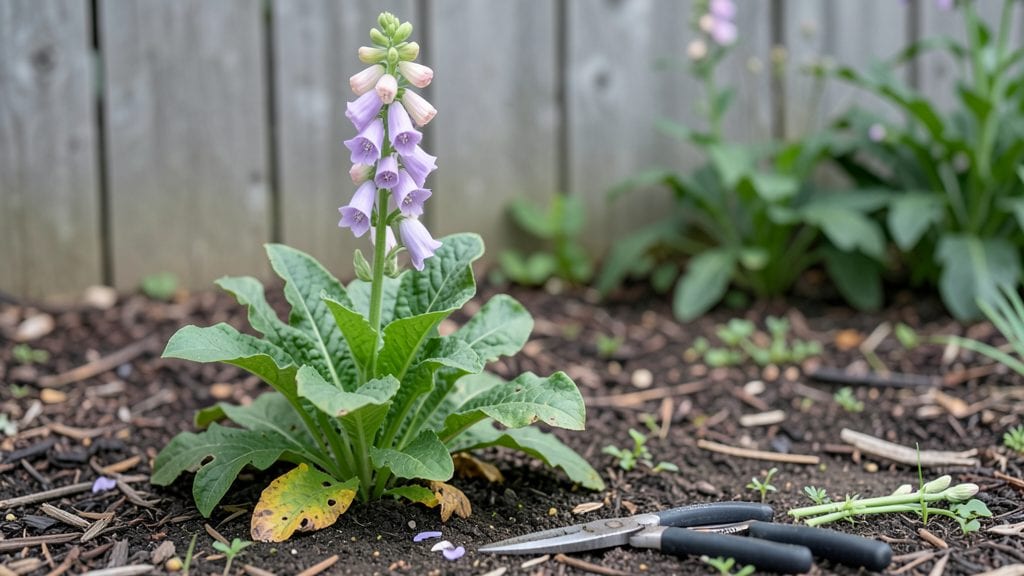
Deadheading foxglove plants keeps them blooming like clockwork all season. ✨ I learned this the hard way—my first year, I let those spent flower spikes go to seed, and by August, my foxgloves had given up on blooms entirely.
Now I deadhead religiously, and my plants reward me with fresh spikes every few weeks until frost.
The secret isn’t complicated: you just snip off the faded flower clusters at the base, about an inch below where they meet the stem. Use clean pruners or even your fingers—foxglove stems are surprisingly sturdy.
The key is timing: do it right after blooms fade but before seeds swell, or you’ll waste energy on seed production instead of new flowers.
What you’ll get is a second flush of blooms, sometimes even a third, with stems packed tighter and flowers lasting longer. My plants stay bushier, too, and the foliage stays vibrant instead of turning yellow.
Just water deeply after deadheading to help them recover, and avoid fertilizing right after—foxgloves prefer lean soil anyway.
Works for both biennials and perennials, though biennials (like ‘Giant Candelabra’) might need more aggressive pruning to keep them going. Here’s how to do it without turning your garden into a foxglove stump forest—trust me, your plants will thank you.
📚 In This Guide
- What you need
- Instructions
- Tips and common mistakes
- Wrapping up and next steps
What you need
- ● Pruning shears or sharp bypass pruners: Choose clean, sterilized tools with sharp blades (4–6" length ideal for precision). Avoid dull scissors—they crush stems and invite disease.
- ○ Gloves (optional but recommended): Wear nitrile or leather garden gloves to protect against foxglove’s mild skin irritants (especially if you’re sensitive).
- ● Disinfectant (70% isopropyl alcohol or bleach solution): 1 part bleach to 9 parts water—sterilize tools before and after use to prevent bacterial spread.
- ● Compost bin or paper bag: A small container to collect spent blooms (foxglove seeds can self-sow—contain them if you don’t want surprises!).
- ○ Water spray bottle (optional): A 16–32 oz bottle with a fine mist nozzle to dampen stems and reduce dust while cutting.
- ● Timing: Deadhead after blooms fade but before seed pods form (typically mid-to-late summer for most foxglove varieties).
- ● Weather check: Work on a dry, overcast day or in early morning to avoid stressing the plant. Wet foliage + cuts = fungal risks.
- ● Plant health: Skip deadheading if your foxglove is stressed, wilting, or diseased. Focus on reviving roots first!
- ● Variety awareness: Some foxglove types (like Digitalis purpurea) bloom on last year’s growth—deadhead only the spent flowers, not the entire stem.
Instructions for deadheading foxglove plants
Here's my go-to method to keep foxgloves blooming lushly all season—no pruning stress, just steady color.
✂️ Step 1: Identify Spent Blooms and the Right Time to Cut
Wait until individual flowers on the spike have fully faded and their petals begin to curl back—this signals the energy has moved down to the next bud. I always check in the morning when blooms are freshest; this is when you'll spot the most obvious spent flowers.
Never cut healthy blooms. You'll know a flower is ready when the petals look dry and papery, almost like they're crumbling at the edges. Grab your pruners and make your first cut just above the next set of buds that are still tightly closed. This ensures you're not removing potential blooms.
✂️ Step 2: Trim Each Spike Individually for Maximum Blooms
Work your way up each flower spike, cutting back each faded bloom stem ¼ inch above the next healthy bud cluster. This precise cut prevents the plant from wasting energy on seed production. I like to use sharp pruners because dull blades crush stems and invite rot.
If you see a spike where all flowers have faded, cut it back to 6 inches above the base. This encourages the plant to send out new side shoots. Don't trim healthy spikes—only remove what's clearly spent. You'll know you're doing it right when you see multiple fresh buds opening within a week.
🌿 Step 3: Clean Up and Encourage New Growth
After deadheading, remove all cut flowers from the planting area immediately. Leaving spent blooms on the plant attracts pests and diseases. I drop them into a compost bin—foxglove seeds can be invasive if they spread unintentionally.
Give the plant a light drink of water after pruning, especially if the weather is hot. This helps it recover from the slight stress of cutting. You'll notice new growth within 7-10 days—watch for fresh buds forming at the base of where you made your cuts.
☀️ Step 4: Maintain Through the Season
Repeat the deadheading process every 2-3 weeks throughout the blooming season. Foxgloves produce flowers on last year's growth, so the more you remove spent blooms, the longer the plant will keep producing new ones. I always check my foxgloves on the same day each week to stay on schedule.
If you notice any yellowing leaves, that's your plant's way of saying it needs more nutrients. Add a balanced, slow-release fertilizer around the base in early summer. Keep the soil consistently moist but not soggy—foxgloves hate wet feet. With proper care, you'll get blooms from early summer until fall.
Tips & tricks for perfect foxglove deadheading
Here's what I've learned after years of keeping foxgloves blooming beautifully—these tricks make all the difference between a few flowers and a season-long show.
Morning is Best: I always check my foxgloves first thing in the morning because that's when the spent blooms are most obvious. The dew helps reveal the papery texture of faded petals, making it easier to spot which flowers are ready for cutting. If you wait until afternoon, you might accidentally cut healthy blooms that just look wilted from the heat.
Sharp Tools Matter: Using dull pruners crushes the stems and can introduce rot into your foxgloves. I keep a small pair of sharp bypass pruners dedicated just to deadheading—it makes the cuts cleaner and helps the plant heal faster. If your pruners feel like they're chewing through the stems, it's time to sharpen them.
The 6-Inch Rule: When you're dealing with completely spent spikes, cutting back to 6 inches above the base gives your foxglove the best chance to send out new side shoots. I've found that this encourages bushier growth and often results in multiple new flower spikes from the same base. It's like giving your plant a fresh start for the next round of blooms.
Cleanup Prevents Problems: Removing all cut flowers immediately prevents pests and diseases from taking hold. I drop them into a compost bin with a lid to contain any seeds—foxglove seeds can be invasive if they spread. This simple step has saved me from dealing with aphid infestations in past seasons.
Pro Tips for Deadheading Foxglove Plants
- Here's what I've learned after years of keeping foxgloves blooming beautifully—these tricks make all the difference between a few flowers and a season-long show.
- Morning is Best: I always check my foxgloves first thing in the morning because that's when the spent blooms are most obvious.
- Sharp Tools Matter: Using dull pruners crushes the stems and can introduce rot into your foxgloves.
Frequently asked questions
Got questions about deadheading foxglove? You’re not alone!
Here are answers to the most common concerns—so you can keep those towering blooms thriving all season long.
When is the best time to deadhead foxglove?
Deadhead foxglove after the flowers fade but before seed pods form—usually mid-to-late summer. For perennial varieties, focus on spent blooms in the first flush (spring/summer). For biennials, deadhead only if you want to encourage a second bloom cycle (though they often self-seed anyway!).
Do I cut all the way back to the base?
No! Trim spent blooms just above the next set of leaves or a healthy leaf node (about 1–2 inches below the faded flower). Cutting too aggressively can weaken the plant or expose it to rot. Think of it as a haircut—not a buzz cut!
What if my foxglove stops blooming after deadheading?
If blooms dwindle, check these fixes:
- Light: Foxglove thrives in partial shade—too much sun can scorch leaves.
- Water: Keep soil consistently moist (but not soggy).
- Fertilizer: A light dose of balanced fertilizer (10-10-10) in early spring can help.
- Age: Biennials bloom once, then die. Perennials may need 2–3 years to mature.
Can I use the cut flowers for arrangements?
Foxglove’s dramatic spikes make stunning cut flowers—just snip stems at an angle and place them in water immediately. Remove lower leaves to prevent bacterial growth. Pro tip: Add a splash of bleach (1 tsp/gallon) to the water to extend vase life!
What’s the difference between deadheading and pruning foxglove?
Deadheading = removing only spent blooms to encourage new flowers. Pruning = cutting back entire stems (usually in fall) to tidy up or control size. For foxglove:
- Deadhead: Throughout the growing season (spring–summer).
- Prune: After blooming (late summer/fall) or in early spring to remove dead growth.
Wrapping up and next steps
Deadheading foxglove plants is a simple yet powerful way to keep your garden vibrant and encourage more stunning blooms all season long! 🌸 By removing spent flowers, you redirect energy to new growth, ensuring your foxgloves thrive with minimal effort.
Whether you’re a seasoned gardener or just starting out, this task is easy and rewarding.
Now that you’re armed with the how-tos and tips, grab those shears and get pruning! Watch your foxgloves flourish, and don’t forget to enjoy the process—gardening is all about connection and creativity.
Ready to take it further? Try experimenting with companion plants or capturing your progress in a garden journal! 🌿