
Plants
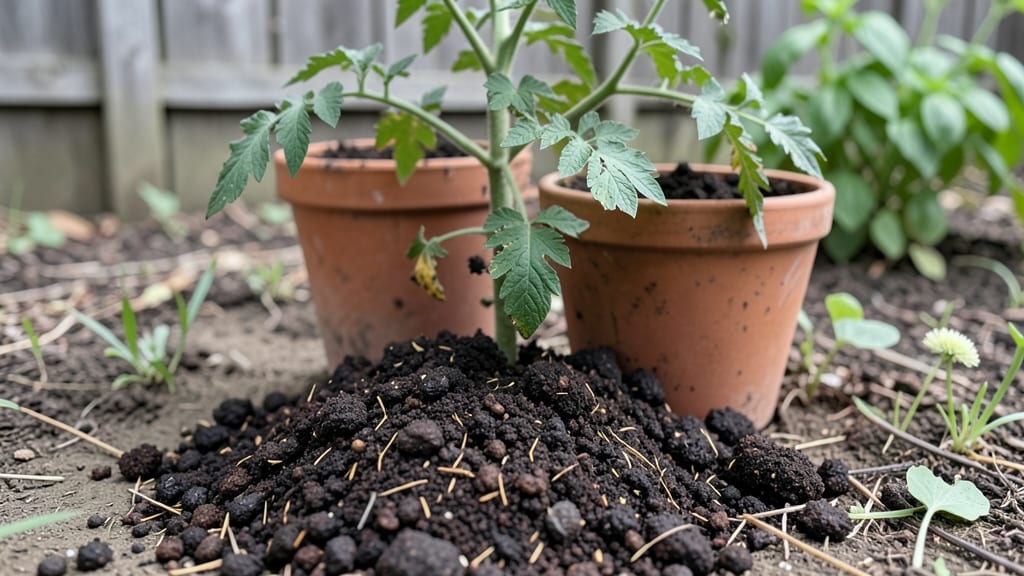
Coffee grounds contain nitrogen, potassium, and trace minerals that act as a natural fertilizer, but their high acidity can disrupt soil pH balance. 🌱 For example, acid-loving plants like hydrangeas or blueberries benefit from this, while vegetables like tomatoes or peppers may suffer.
I always dilute used coffee with water (1:1 ratio) before applying it to the soil—this reduces acidity while still providing nutrients without overwhelming plant roots.
Beyond the nitrogen boost, coffee grounds also improve soil structure by encouraging microbial activity, which helps break down organic matter faster. However, the key is moderation: overusing coffee can create a hostile environment for many plants, especially those preferring neutral or alkaline soils.
Test your soil's pH before adding coffee regularly—most garden centers offer affordable test kits to check levels.
💡 In This Article
- How Coffee Grounds Boost Plant Growth
- Safe Ways to Use Coffee in Your Garden
How coffee grounds boost plant growth
Coffee grounds are a powerhouse of nutrients that directly influence plant growth. A typical 1 cup of used coffee grounds contains about 2% nitrogen by weight, along with smaller amounts of potassium (0.5%) and phosphorus (0.2%).
When these grounds decompose, they release nitrogen in forms plants can absorb, like ammonium (NH₄⁺) and nitrate (NO₃⁻), which are essential for leafy growth. The potassium supports root development and water regulation, while phosphorus fuels energy transfer within plants.
This nutrient trifecta makes coffee grounds a natural, slow-release fertilizer—similar to compost but with a more concentrated nitrogen punch.
The magic happens below the soil surface, where microbial activity transforms coffee grounds into plant-available nutrients. Fungi and bacteria in the soil break down the organic matter, a process called mineralization. This creates a microhabitat rich in beneficial microbes that compete with harmful pathogens, effectively protecting plant roots.
The texture of coffee grounds—coarse and fibrous—also improves soil aeration and water retention, reducing compaction. For comparison, a 10-10-10 synthetic fertilizer (equal parts nitrogen, phosphorus, potassium) delivers nutrients instantly but lacks the microbial benefits of organic matter like coffee grounds.
Acid-loving plants like blueberries, azaleas, and gardenia thrive with coffee grounds because these plants prefer soil pH levels between 4.5 and 5.5. Coffee grounds naturally lower pH, creating ideal conditions. For example, blueberries need acidic soil to absorb iron and manganese—nutrients that become locked in alkaline conditions.
The caffeine in coffee (about 0.1-0.2% by weight) also acts as a natural fungicide, suppressing diseases like powdery mildew in susceptible plants. However, this benefit comes with a trade-off: caffeine can inhibit seed germination in some species, like lettuce or beans.
Not all coffee products are equal when it comes to plant benefits. Espresso is far too concentrated—its high acidity (pH ~4.5) and lack of fibrous structure make it harmful to most plants when used undiluted.
Even brewed coffee should be diluted 1:1 with water before applying to soil, while used grounds can be sprinkled directly. The decomposition rate varies: fresh grounds break down in 2-4 weeks, while older, dried grounds may take 6-8 weeks.
This slow release prevents nutrient burn while steadily enriching the soil over time.
To put it into perspective, a 1-pound bag of coffee grounds (about 450 grams) contains roughly 9 grams of nitrogen, equivalent to 0.25 ounces of synthetic urea fertilizer. However, the organic matter and microbial activity coffee grounds introduce far exceed the immediate nutrient boost.
For instance, a study in HortScience found that soil amended with coffee grounds had 30% more microbial biomass after 8 weeks compared to control soil, leading to healthier root systems in test plants.
Here's what most gardeners overlook: coffee grounds aren't a one-size-fits-all solution. While they excel for acid-loving plants, they can stunt growth in vegetables like cabbage or broccoli, which prefer neutral to slightly alkaline soil (pH 6.0-7.0). The key is testing your soil's pH before applying coffee regularly.
A simple $10 soil test kit from garden centers reveals whether your plants need the acidity boost or if coffee would create an imbalance. For example, hydrangeas will produce blue flowers with coffee-amended soil but shift to pink if the pH rises above 5.5.