Plants
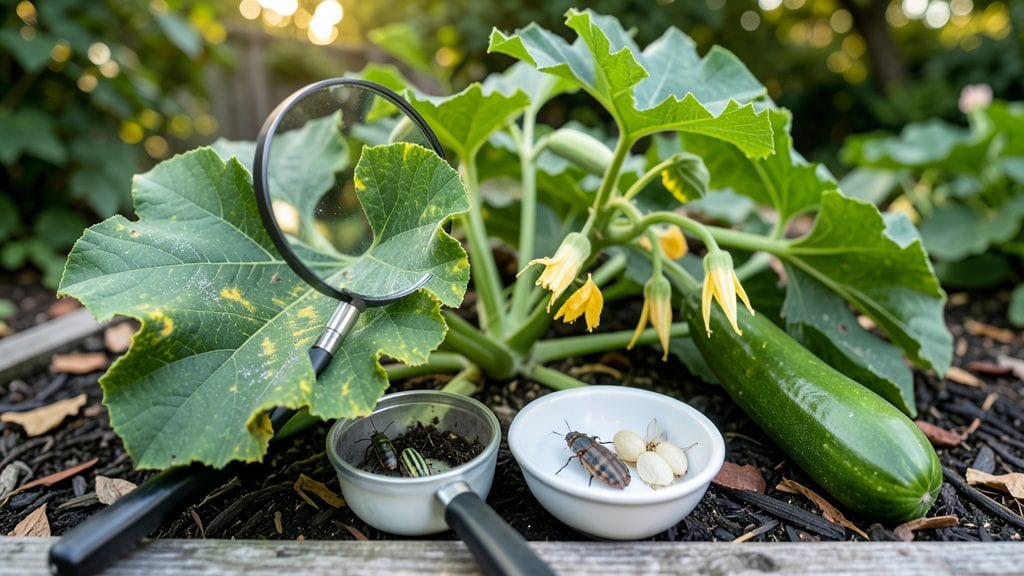
Mastering troubleshooting squash plants starts when your vines look storm-tossed—wilted leaves and shriveled fruit—don’t panic. 🌱 I’ve nursed more squash plants back from the brink than I can count, and the fixes are often simpler than you’d think.
The key is spotting the signs early: yellowing leaves, chewed stems, or fruit with sunken spots that scream "blossom end rot."
Most problems boil down to three culprits: pests munching away, diseases spreading like wildfire, or basic care gone wrong. Squash bugs leave behind chewed leaves and black droppings, while powdery mildew coats foliage in a white, flour-like dust.
Overwatering or poor soil drains nutrients faster than a summer rainstorm, leaving plants struggling to thrive. The good news? Each issue has a targeted fix—organic sprays, adjusted watering, or a quick soil boost.
You’ll save your harvest in no time with these quick fixes: neem oil for pests, a baking soda spray for mildew, and calcium-rich amendments for blossom end rot.
Within days, your plants will bounce back with stronger stems and healthier fruit. The best part? These solutions work fast and keep your garden chemical-free.
Whether you’re dealing with wilting vines or stubborn rot, this guide cuts through the guesswork. Let’s get those squash plants back on track before the season slips away.
Root Causes Behind Squash Struggles
Squash plants are hardy, but even the toughest gardeners face issues like wilted leaves, blossom end rot, or stunted growth. Understanding why these problems occur is the first step to fixing them.
Below, we break down the most common culprits—backed by science—and explain how environmental and biological factors trigger squash plant distress.
🌡️ Temperature Extremes: Too Hot or Too Cold
Squash thrives in warm weather (70–90°F during the day, 60–70°F at night), but heat stress or cold snaps can derail growth. Here’s how:
- Heat Stress: Temperatures above 90°F disrupt photosynthesis by closing stomata (leaf pores), reducing water uptake. This leads to wilting or yellowing leaves—even with adequate water. High heat also accelerates transpiration, drying out plants faster.
- Cold Sensitivity: Squash is a tender perennial and cannot tolerate frost (below 50°F). Cold slows metabolic processes, causing stunted growth or blackened leaves. Young plants are especially vulnerable.
- Soil Temperature Matters: Seeds need soil temps of 60–90°F to germinate. Cooler soil (<55°F) delays sprouting or leads to damping-off disease (a fungal attack on seedlings).
💡 Pro Tip: Use row covers or mulch to moderate soil temps. Plant in late spring after the last frost date in your zone.
💧 Watering Woes: Too Much or Too Little
Squash plants have shallow roots and hate inconsistency. Water issues are a top cause of wilting and blossom end rot.
- Underwatering: Shallow roots dry out quickly, causing crispy, curled leaves. Cells lose turgor pressure (the "plumpness" that keeps leaves upright), leading to wilting. Chronic underwatering weakens plants, making them susceptible to pests.
- Overwatering: Squash roots need oxygen. Soggy soil cuts off oxygen, leading to root rot (fungal infections like Phytophthora). Overwatering also leaches nutrients, causing blossom end rot (calcium deficiency in fruits).
- Inconsistent Watering: Fluctuations in moisture stress plants, causing blossom drop or poor fruit set. Squash needs 1–2 inches of water per week, delivered deeply 2–3 times per week (not daily shallow watering).
🌡️ Science Note: Blossom end rot occurs when calcium can’t move to developing fruits due to uneven water uptake or competing nutrient demands.
🌱 Poor Soil Conditions: Nutrient Deficiencies or Compaction
Squash is a heavy feeder and demands well-draining, fertile soil. Common soil-related issues include:
- Nitrogen Deficiency: Leads to yellowing leaves (chlorosis), starting with older leaves. Nitrogen fuels leaf growth, so a lack of it stunts foliage and reduces energy for fruit production.
- Calcium Deficiency: Causes blossom end rot (a brown, leathery spot on the fruit’s blossom end). Calcium is immobile in plants—meaning it can’t be redistributed from old leaves to new growth. Soil pH >7.0 or poor drainage blocks calcium uptake.
- Phosphorus/K Potassium Imbalance: Too little phosphorus (P) delays flowering, while low potassium (K) weakens stems, making plants prone to wilting or disease.
- Compacted Soil: Restricts root growth, reducing water and nutrient absorption. Roots may grow sideways instead of downward, leading to stunted plants.
💡 Pro Tip: Test your soil (pH 6.0–6.8 is ideal for squash). Amend with compost, aged manure, or a balanced fertilizer (10-10-10). For calcium, use crushed eggshells or gypsum.
🐛 Pests and Diseases: Hidden Saboteurs
Squash is a magnet for pests and pathogens. Here’s how they wreak havoc:
- Squash Bugs/Vine Borers: Piercing-sucking insects like squash bugs inject toxins that cause yellowing, wilting, or scorch marks. Vine borers (larvae) tunnel into stems, cutting off water flow and leading to sudden wilting.
- Powdery Mildew: A fungal infection that thrives in humid, shady conditions. It coats leaves with a white powder, blocking sunlight and causing leaf drop.
- Bacterial Wilt: Spread by squash borers, this bacteria clogs xylem vessels (the plant’s water highways), causing rapid wilting even when soil is moist.
- Cucumber Beetles: These striped pests transmit viruses (like cucumber mosaic virus) and chew leaves, creating ragged edges and stunted growth.
🔥 Key Trigger: Stressed plants (from drought, poor soil, or heat) are 3x more susceptible to pests and diseases.
🌿 Transplant Shock or Improper Spacing
Squash is sensitive to root disturbance during transplanting. Even mature plants suffer if:
- Roots are damaged during moving, leading to slow recovery and wilting for 1–2 weeks.
- Plants are crowded (needs 3–4 feet between vines for proper airflow). Poor spacing traps moisture, inviting fungal diseases.
- Shallow planting (seeds buried too shallow) causes weak root systems and poor anchorage.
💡 Fix It: Harden off seedlings before transplanting. Use mulch to protect roots and avoid over-fertilizing post-transplant (focus on water first).
Quick Fixes for Common Squash Problems
Squash plants are resilient, but they can still fall prey to pests, diseases, and environmental stressors. The good news? Most issues have simple, effective fixes—if you act fast. Below, we’ve mapped out the most common problems and the step-by-step solutions to get your squash back on track.
Plus, we’ll share prevention tips to keep future harvests thriving!
Cause: Too much water, poor drainage, or a lack of key nutrients (like nitrogen or magnesium). Fix It Fast:
🔥 Step 1: Check the Soil
- Stick your finger 1-2 inches deep into the soil. If it’s soggy, your plant is drowning. Squash prefers well-draining soil—amend heavy clay with compost or perlite.
🍳 Step 2: Adjust Watering
- Water deeply but infrequently—aim for 1 inch per week (more in extreme heat). Avoid wetting the leaves to prevent fungal issues.
👨🍳 Step 3: Feed the Plant
- Nitrogen deficiency? Use a balanced fertilizer (10-10-10) or compost tea.
- Magnesium deficiency (yellow edges)? Sprinkle Epsom salt (1 tbsp per gallon of water) every 2 weeks.
🌡️ Prevention Tip:
- Mulch around plants with straw or grass clippings to retain moisture and regulate soil temperature.
Cause: Low calcium in the soil, inconsistent watering, or extreme temperature swings. Fix It Fast:
⏰ Step 1: Water Consistently
- Keep soil evenly moist—don’t let it dry out completely between waterings. Drip irrigation works best.
🔪 Step 2: Boost Calcium
- Quick fix: Spray calcium chloride or crushed eggshells (dried and ground) around the base of the plant.
- Long-term fix: Mix 1 tbsp of gypsum per square foot into the soil.
💡 Pro Tip:
- Avoid over-fertilizing with nitrogen—it can worsen calcium uptake issues.
Cause: Chewing insects that suck sap, leading to stunted growth and wilting. Fix It Fast:
🌡️ Step 1: Handpick & Remove
- Check undersides of leaves for eggs (tiny orange clusters). Squish adults and collect eggs in soapy water.
🎯 Step 2: Use Natural Sprays
- Neem oil spray (1 tsp neem oil + 1 tsp mild soap per quart of water) – reapply every 5-7 days.
- Spinosad (organic insecticide) for severe infestations.
✨ Prevention Tip:
- Row covers (fine netting) early in the season block pests before they lay eggs.
Cause: High humidity + poor airflow = white, powdery fungus on leaves. Fix It Fast:
🔥 Step 1: Improve Airflow
- Space plants 3-4 feet apart and prune nearby weeds/vines blocking circulation.
🍳 Step 2: Fungal Sprays
- Baking soda spray (1 tsp baking soda + 1 tsp oil + 1 tsp soap per gallon of water) – spray early morning or evening.
- Copper fungicide (follow label instructions) for bad cases.
💡 Pro Tip:
- Water at the base (not overhead) to keep leaves dry.
Cause: Extreme heat + drought = limp, droopy leaves. Fix It Fast:
🌡️ Step 1: Shade & Hydration
- Provide partial shade with a lightweight row cover or shade cloth during peak sun (10 AM–4 PM).
- Deep water in the early morning to reduce evaporation.
💡 Prevention Tip:
- Mulch heavily with straw to lock in moisture and cool roots.
If your squash is severely wilted or diseased, don’t give up yet:
- Trim damaged leaves (but leave some foliage for photosynthesis).
- Repot or transplant if soil is compacted or diseased.
- Reduce stress by avoiding heavy fertilizers—focus on water and shade first.
Remember: Most squash problems are preventable with consistent care. Once you spot an issue, act fast but calmly—your plants will bounce back with the right TLC! 🌿💚
Frequently asked questions about squash plant care
Why are my squash leaves turning yellow?
Yellowing leaves usually signal nutrient deficiencies (like nitrogen or magnesium) or overwatering. Check the pattern: if older leaves yellow first, it’s likely nitrogen deficiency. For yellow edges, magnesium deficiency may be the issue—try Epsom salt spray (1 tbsp per gallon). If the soil stays soggy, reduce watering and improve drainage with compost.
How do I prevent blossom end rot in my squash?
Blossom end rot occurs from calcium deficiency caused by inconsistent watering or poor soil. Keep soil evenly moist (1–2 inches per week) and add crushed eggshells or gypsum to the soil. Mulch heavily to maintain stable moisture levels. Avoid over-fertilizing with nitrogen, as it can worsen calcium uptake issues.
What should I do if my squash plants suddenly wilt?
Sudden wilting often means pests (like squash bugs or vine borers) or root rot. Check stems for chewed holes or tunnels—handpick pests and use neem oil spray. For root rot, stop watering until soil dries slightly, then improve drainage. If wilting happens in heat, provide shade cloth and water deeply in the morning.
Can I save my squash plants if they have powdery mildew?
Yes! Powdery mildew thrives in humid conditions, so improve airflow by spacing plants 3–4 feet apart and pruning nearby foliage. Spray leaves with a baking soda mixture (1 tsp baking soda + 1 tsp oil + 1 tsp soap per gallon of water) in the evening. For severe cases, use copper fungicide. Remove heavily infected leaves to prevent spread.
How do I know if my squash plants need more space?
Squash vines need 3–4 feet between plants for proper airflow and growth. Look for crowded leaves, stunted vines, or white powdery mildew—these are red flags. Thin plants early to prevent disease. If transplanting, space them wider than you think, as vines can sprawl 6–10 feet in ideal conditions.