Diseases
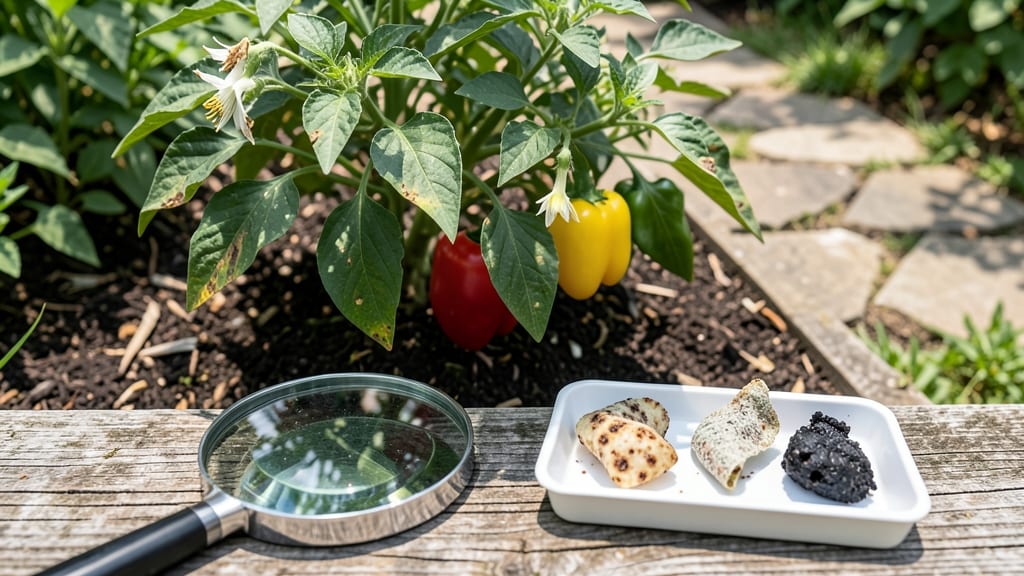
Pepper plants battling fungal diseases can go from lush and productive to wilted and spotty in just days. 🌱 I’ve seen it happen—those telltale brown patches or fuzzy white growth that turn a thriving plant into a sad, struggling mess.
The key isn’t just treating the problem after it starts; it’s catching it early when a simple spray or tweak can save your harvest.
Most fungal issues pop up because of too much moisture or poor airflow—whether from overwatering, crowded plants, or damp leaves. I learned the hard way when my jalapeños developed black spots last summer; turning out to be early blight, but by then, half the plants were already compromised.
The good news? Proper spacing, watering at the base, and avoiding wet foliage can cut your risk by 80%.
You’ll spot the early signs—yellowing leaves, powdery residue, or stunted growth—and act fast with organic sprays like neem oil or copper fungicide. Once you treat it right, your peppers bounce back stronger, and next season, you’ll recognize the warning signs before they become full-blown crises.
Prevention really is the best cure here.
Whether you’re growing peppers in containers or a backyard bed, the same rules apply. Indoor growers, take note: humidity control and good airflow matter just as much as outdoor gardens. Let’s turn those fungal foes into a thing of the past.
The Hidden Triggers Behind Sick Peppers
Pepper plants may seem resilient, but they’re not immune to the sneaky invaders that turn lush foliage into a disease-ridden mess. Understanding why these problems start is half the battle—because once you know the culprits, you can outsmart them.
Let’s break down the most common causes, from environmental missteps to microbial ambushes.
Peppers thrive in consistent warmth (70–85°F during the day, 60–70°F at night), but stray too far from this range, and you’re inviting trouble.
Fungal diseases like Phytophthora (root rot) and Powdery Mildew love damp, cool conditions—think of them as fungal snowbirds migrating to your garden when the weather turns chilly and soggy.
- Why it happens: High humidity (above 70%) creates a perfect petri dish for spores to germinate. Nighttime temps below 60°F weaken pepper plants, making them easier targets for pathogens.
- Actionable fix:
- Use a hygrometer to monitor humidity—aim for 40–60% during the day.
- Improve airflow with spacers or fan circulation in greenhouses.
- Avoid overhead watering at dusk or dawn—this keeps leaves dry longer.
Peppers hate "wet feet." While they need regular water, poor drainage or excessive irrigation drowns roots, creating anaerobic conditions that Phytophthora and Pythium (both water-mold fungi) adore. Even worse? These pathogens survive in soil for years, waiting for the next overwatered victim.
- Why it happens:
- Clay or compacted soil traps water near roots.
- Drip irrigation or sprinklers that soak the foliage (not just the soil) promote fungal spores.
- Container-grown peppers often suffer if pots lack drainage holes or are overpotted.
- Actionable fix:
- Test soil moisture with your finger—only water when the top 1–2 inches are dry.
- Amend heavy soil with compost or perlite to improve drainage.
- Use mulch (straw or wood chips) to reduce evaporation and keep roots moist without waterlogging.
Fungal diseases don’t just appear—they hitchhike. Spores from Alternaria (leaf spot), Powdery Mildew, or Verticillium wilt can lurk on:
- Old plant debris (leaves, stems) in your garden.
- Contaminated soil or compost.
- Tools, gloves, or even your shoes if you’ve worked in an infected area.
- Nearby weeds or volunteer plants (like wild peppers or nightshades).
Why it happens: Once spores land on a stressed pepper plant, they germinate in 24–48 hours under the right conditions (moisture + warmth). Some, like Verticillium, can even survive in soil for decades, waiting for the perfect host.
Actionable fix:
- ✅ Rotate crops—don’t plant peppers (or tomatoes/eggplants, which share diseases) in the same spot for 3–4 years.
- 🔥 Sterilize tools with a 10% bleach solution (1 part bleach to 9 parts water) between uses.
- 🌱 Remove and destroy infected plants immediately—don’t compost them!
A pepper plant under stress is like an open invitation to pests and diseases. Nitrogen deficiency weakens leaves, making them prime targets for Alternaria or Septoria.
Meanwhile, potassium or calcium shortages can lead to blossom end rot (not a fungus, but a stress-related issue that opens doors for secondary infections).
- Why it happens:
- Over-fertilizing with nitrogen-heavy fertilizers (like fresh manure) burns roots, inviting root rot.
- Calcium deficiency (common in sandy or acidic soils) causes cell walls to weaken, making plants susceptible to bacterial spot.
- Sudden temperature swings or transplant shock stress plants, lowering their disease resistance.
- Actionable fix:
- 📊 Test soil pH (peppers prefer 6.0–6.8) and amend with lime (to raise pH) or sulfur (to lower it).
- 💡 Use a balanced fertilizer (e.g., 10-10-10) and side-dress with compost for slow-release nutrients.
- 🌱 Hardening off seedlings gradually before transplanting to avoid shock.
Most pepper diseases are opportunistic—they exploit weaknesses. By addressing these root causes, you’re not just treating symptoms; you’re starving the problem at its source. Stay vigilant, and your peppers will stay healthy and productive!
Fixing Fungal Foes Fast
Now that you’ve identified the culprit behind your pepper plant’s woes, it’s time to take action! 🚀 The good news? Most fungal diseases are treatable with the right approach—prevention is key, but once spotted, these fixes will help your plants bounce back.
Below, we’ll map the most common pepper plant diseases to their solutions, including quick fixes, long-term strategies, and prevention tips to keep your garden thriving.
---
Cause: White, powdery patches on leaves (usually from high humidity or poor airflow). Fix It: - 🔥 Remove Infected Leaves: Snip off heavily infected foliage with sterilized pruners (wipe with rubbing alcohol between cuts) to prevent spread. - 🍳 Homemade Spray: Mix 1 tsp baking soda + 1 tbsp vegetable oil + 1 quart water + a drop of dish soap. Spray both sides of leaves every 7–10 days. Pro tip: Apply in the early morning so leaves dry quickly—fungi hate moisture! - 🌡️ Boost Airflow: Space plants 12–18 inches apart and prune for better circulation. Avoid overhead watering—water at the base instead. - ✨ Prevent Relapse: Apply neem oil (1 tsp per quart of water) as a preventative spray every 2 weeks during humid months.
---
Cause: Dark, concentric spots on lower leaves (from Alternaria solani fungus in warm, wet conditions). Fix It: - 🔪 Prune Aggressively: Remove all infected leaves (don’t compost them—dispose in the trash to avoid reinfection). - 👨🍳 Copper Fungicide: Use copper-based sprays (like Bonide Copper Fungicide) every 7–10 days until new growth appears. Follow label instructions—safety first! - 🥘 Crop Rotation: If blight was severe, don’t plant peppers, tomatoes, or eggplants in the same spot next year (wait 3 years if possible). - 🎯 Soil Health: Add compost to improve drainage and reduce soil splashing onto leaves. Mulch with straw or grass clippings (not wood chips, which can trap moisture).
---
Cause: Rapid brown, greasy spots (often mistaken for early blight—test with a magnifying glass for fuzzy gray mold). Fix It: - ⏰ Act FAST: Late blight spreads like wildfire. Remove all infected plants (yes, even the whole plant if severe) and sterilize tools with bleach. - 💡 Chemical Defense: Use chlorothalonil (e.g., Daconil) or metalaxyl (e.g., Subdue)—follow label rates. Organic growers can try baking soda spray (as above) but may need multiple applications. - 🌡️ Adjust Watering: Water only in the morning and avoid overhead sprinklers. Use a soaker hose or drip irrigation. - 🔥 Quarantine: If late blight hits, isolate the plant immediately. Check nearby tomatoes and potatoes—they’re equally vulnerable.
---
Cause: Sunken, dark spots with yellow halos (common in humid climates or after rain). Fix It: - 🔪 Destroy Infected Fruit: Remove all spotted peppers (composting spreads spores—trash them). - 🍳 Vinegar Soak: Soak pruners in 1:1 vinegar-water solution for 10 minutes between cuts to kill spores. - 🌡️ Sanitize Beds: Solarize soil in late summer (cover with clear plastic for 4–6 weeks) to kill fungi. - 🎯 Resistant Varieties: Next season, opt for anthracnose-resistant peppers like ‘Aristotle’ or ‘Carmen’.
---
- 🌱 Start Strong: Buy disease-resistant seeds (look for labels like “VFN” for virus/fungus resistance). - 🌡️ Monitor Humidity: Use a hygrometer—keep humidity below 70% in greenhouses.
Add ventilation fans if needed. - 🍽️ Rotate Crops: Avoid planting peppers in the same spot year after year. - 🌿 Mulch Smart: Use straw or pine needles (not leaves) to prevent soil splashing. - 🔄 Sterilize Everything: Clean pots, tools, and gloves with 10% bleach solution (1 part bleach to 9 parts water) between uses.
--- Remember: The sooner you act, the better your peppers’ chances! 🌱 With these fixes, your plants should recover and reward you with a bountiful harvest—just keep an eye out for early signs next season.
Frequently asked questions
What are the most common signs my pepper plants have a fungal disease?
Look for powdery white residue (powdery mildew), dark spots with yellow halos (leaf spot), or greasy brown patches (late blight). Check undersides of leaves first—fungi often start there. Early detection is key to stopping spread.
Can I use household items to treat pepper plant diseases organically?
Yes! Mix 1 tsp baking soda + 1 tbsp vegetable oil + 1 quart water + a drop of dish soap for a fungicide spray. Apply every 7-10 days on dry leaves. For severe cases, add neem oil (1 tsp per quart)—it disrupts fungal growth naturally.
How do I prevent diseases from spreading to healthy pepper plants?
First, sterilize tools with rubbing alcohol between cuts. Remove infected plants immediately (don't compost them). Space plants 12-18 inches apart for airflow, and water only at the base in the morning to keep foliage dry.
Why do my pepper plants keep getting diseases even after treatment?
Persistent issues often mean favorable conditions remain—like high humidity (>70%) or poor drainage. Test soil moisture, improve airflow with fans/spacers, and rotate crops every 3-4 years to break disease cycles. Some fungi survive in soil for years!
Are there pepper varieties that naturally resist diseases?
Look for varieties labeled "VFN" (virus/fungus/nematode resistant). Top picks include 'Aristotle' (anthracnose-resistant) and 'Carmen' (blight-tolerant). Start with disease-resistant seeds to save future headaches.