
How To
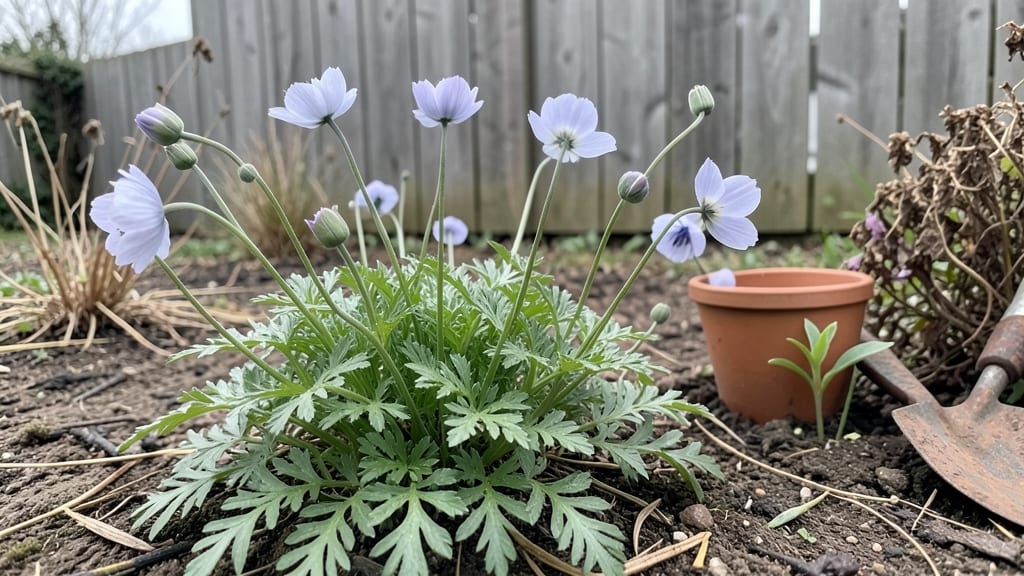
Planting Anemone blanda transforms shady corners into dreamy, layered carpets of color. 🌿 I learned the hard way that these delicate perennials demand patience—skipping soil prep or planting too deep means waiting years for the magic to unfold.
The secret lies in mimicking their woodland home: loose, well-draining soil and a spot where they can spread undisturbed.
Start in early fall when soil is still warm but before frost—this gives roots time to establish before winter. Dig holes just deep enough so the crown sits at ground level (no burying!), and space plants 8-12 inches apart for that naturalized look.
A handful of bone meal mixed into the soil boosts early growth, and mulch lightly to keep moisture consistent.
Within weeks, you’ll spot the first slender stems pushing through, but the real show arrives in late spring when velvety purple or white blooms pop against fresh green foliage.
These plants thrive on neglect once established—just deadhead spent blooms to encourage more flowers and divide clumps every 3-4 years to keep them vigorous.
Troubleshooting tip: If seedlings stall, check for soggy soil (they hate wet feet) or overly competitive neighbors. A little shade from taller perennials helps them relax and spread. By year three, you’ll have a self-sustaining woodland display that multiplies effortlessly—no digging, no fuss, just pure garden drama.
📚 In This Guide
- What you need
- Instructions
- Tips and common mistakes
- Wrapping up and next steps
What you need
- ● Anemone blanda plants: 3–5 bare-root or potted plants (depending on desired coverage). Choose healthy specimens with firm roots and vibrant buds.
- ● Well-draining potting mix or garden soil: 1–2 cubic feet per plant (amend with compost for richer soil). A mix of 50% garden soil, 30% compost, and 20% perlite works wonders.
- ● Organic mulch: 2–3 inches of shredded bark, straw, or wood chips to retain moisture and suppress weeds.
- ● Slow-release fertilizer: 10-10-10 or a balanced organic option (e.g., fish emulsion) to kickstart growth. Use 1 tablespoon per plant mixed into the soil.
- ● Watering can or hose with a gentle spray nozzle: For deep, even watering without disturbing the soil.
- ● Garden trowel or hand shovel: For digging small holes (6–8 inches deep and wide).
- ● Gloves: A pair of sturdy gardening gloves to protect your hands from thorns and dirt.
- ● Measuring tape or ruler: To ensure proper spacing (12–18 inches apart for clusters, 24 inches for solitary plants).
- ○ Pruners (optional): For trimming any damaged foliage or roots before planting.
- ● Epsom salt: 1 tablespoon dissolved in water for a magnesium boost (great for yellowing leaves).
- ● Plant support stakes: If your garden has strong winds, lightweight stakes can keep tall stems upright.
- ● Soil pH test kit: To ensure your soil is slightly acidic to neutral (pH 6.0–7.0). Anemones thrive in this range!
- ● Companion plants: Pair with ferns, hostas, or hellebores for a lush, layered shade effect.
Step-by-step instructions for planting Anemone blanda
Here's my foolproof method for creating a stunning layered shade garden with these elegant perennials.
🌱 Step 1: Choose the Perfect Planting Site
Anemone blanda thrives in partial to full shade, making it ideal for woodlands, under trees, or along north-facing walls. Look for a spot with dappled sunlight—at least 4-6 hours of indirect light daily. Avoid areas where water pools after rain, as soggy soil invites rot.
The key is moist but well-drained soil. If your garden has heavy clay, amend the planting area with 2-3 inches of compost mixed into the top 6 inches of soil. This improves drainage while retaining moisture—critical for these shade-loving beauties.
🪴 Step 2: Prepare the Soil and Planting Holes
Dig 4 planting holes, each 12-18 inches apart to allow room for their delicate foliage to spread. The holes should be twice as wide as the root ball but only as deep as the container—planting too deep suffocates the crown. Gently loosen the sides of each hole with your fingers to encourage root penetration.
If your soil is sandy, mix in 1 part peat moss to the amended area to help retain moisture. For clay-heavy soil, add 1 part perlite or coarse sand to improve drainage. A light sprinkle of bone meal fertilizer in each hole provides slow-release nutrients for strong root establishment.
🌿 Step 3: Plant the Tubers Correctly
Anemone blanda grows from tubers, not traditional roots. Place each tuber 2-3 inches deep with the pointed end facing up—this is where the shoot will emerge. Space them 6-8 inches apart in rows 12 inches apart for a natural, woodland look.
Cover the tubers with soil and press gently to remove air pockets. Water immediately with a slow, deep soak until moisture reaches 4 inches down. Avoid heavy watering, which can displace the tubers. You’ll see first shoots in 3-4 weeks if conditions are right.
☀️ Step 4: Mulch and Water for Establishment
Spread 2-3 inches of mulch (like shredded bark or leaf mold) over the planting area to retain moisture and suppress weeds. Keep mulch 2 inches away from the crown to prevent rot. Water once a week during the first growing season, aiming for 1 inch of water per week. Adjust based on rainfall—dry soil triggers dormancy.
Watch for new leaves emerging in early spring—that’s your signal the tubers are settling in. If you notice yellowing leaves, it’s often a sign of overwatering. Anemones prefer consistently moist but never soggy soil.
⏰ Step 5: Maintain and Enjoy the Drama
Once established, anemones need minimal care. Fertilize lightly in early spring with a balanced 10-10-10 formula to encourage blooms. Deadhead spent flowers in late spring to redirect energy to next year’s growth. By late summer, the foliage will die back naturally—don’t cut it until spring, as the leaves protect the tubers.
These perennials multiply over time. Divide clumps in early spring every 3-4 years to prevent overcrowding. You’ll soon have a self-sustaining woodland garden that blooms reliably year after year.
Tips & tricks for perfect Anemone blanda planting
Creating a thriving shade garden with anemone blanda doesn't have to be complicated—these simple tricks will help you avoid common pitfalls and create a stunning woodland display.
Site Selection Insight: When evaluating your planting location, pay special attention to the 4-6 hours of indirect light requirement. Morning sun is ideal—it provides gentle warmth without the intensity of afternoon rays. I've seen anemones struggle in spots with only 3 hours of light, so if your garden is particularly shady, consider supplementing with a small grow light during winter months when natural light is scarce.
Soil Preparation Secret: The 2-3 inches of compost mixed into the top 6 inches of soil isn't just about drainage—it's about creating the perfect microbial environment. These tubers thrive when beneficial fungi can establish symbiotic relationships. If you're working with particularly dense clay, consider adding 1 part perlite to the mix—this creates tiny air pockets that prevent waterlogging while still maintaining moisture retention.
Tuber Placement Technique: That 2-3 inch depth for planting tubers might seem shallow, but it's crucial. Too deep and the crown suffocates; too shallow and the tubers dry out. I always make a small indentation with my finger to create a perfect planting pocket. For the 6-8 inch spacing, think of it as creating a natural forest floor—each plant should have enough room to develop its delicate foliage without competing for resources.
Establishment Care: The once-weekly watering during the first season is non-negotiable, but timing matters just as much as quantity. Water in the early morning to allow foliage to dry before evening. This prevents fungal issues that can plague shade gardens. And remember, those 2-3 inches of mulch should be replenished annually—they break down faster than you might expect, especially in moist conditions.
Pro Tips for Anemone Blanda Planting
- Creating a thriving shade garden with anemone blanda doesn't have to be complicated—these simple tricks will help you avoid common pitfalls and create a stunning woodland display.
- Site Selection Insight: When evaluating your planting location, pay special attention to the 4-6 hours of indirect light requirement.
- Soil Preparation Secret: The 2-3 inches of compost mixed into the top 6 inches of soil isn't just about drainage—it's about creating the perfect microbial environment.
Frequently asked questions
Got questions about planting Anemone blanda? You’re not alone! Here are answers to the most common concerns—from timing to troubleshooting—to help you grow a stunning shade garden with confidence.
When is the best time to plant Anemone blanda?
Anemone blanda thrives when planted in early fall or early spring, when soil temps are cool (60–70°F). This gives roots time to establish before summer heat. Avoid planting in peak summer—roots can struggle in dry, hot soil. If you miss the window, late summer is the second-best option, but water deeply to help roots settle.
How much sunlight does Anemone blanda need?
This shade lover hates direct sun—it prefers partial to full shade (2–6 hours of dappled light daily). Too much sun causes leaves to scorch, while too little may reduce blooms. Ideal spots: under deciduous trees, near north-facing walls, or beneath shrubs. Pro tip: If your garden is bright but not sunny, it’ll likely thrive!
Can Anemone blanda grow in containers?
Yes! Plant it in a 12–14" pot with well-draining soil and a mix of compost. Use containers with drainage holes to prevent root rot. Choose a spot with morning sun/afternoon shade and water regularly (containers dry out faster). Just remember: Anemone blanda spreads slowly in pots—repot every 2–3 years or divide clumps to refresh growth.
Why aren’t my Anemone blanda flowers blooming?
No blooms? Check these fixes:
- Too much shade: Aim for at least 2 hours of light daily.
- Overcrowding: Divide clumps every 3–4 years to boost vigor.
- Poor soil: Amend with organic matter (compost or leaf mold) for nutrients.
- Young plants: They may take 1–2 years to flower after planting.
What’s the best companion plant for Anemone blanda?
Pair it with shade-tolerant perennials like:
- Hepatica (early spring blooms)
- Lungwort (Pulmonaria) (foliage + flowers)
- Fern (texture contrast)
- Bleeding heart (Dicentra) (soft, heart-shaped leaves)
Wrapping up and next steps
Planting Anemone blanda is your ticket to a stunning, low-maintenance shade garden that blooms early and steals the show! 🌸 With the right soil, timing, and a little patience, these delicate beauties will reward you with vibrant color year after year.
Now that you’re armed with the know-how, it’s time to roll up your sleeves and transform your garden into a layered masterpiece.
Ready to dive in? Start by marking your planting spots—then grab your tools and get growing! Whether you’re a seasoned gardener or a beginner, every Anemone blanda you plant is a step toward a more vibrant outdoor space. Happy planting! 🌱