
Companion Plants
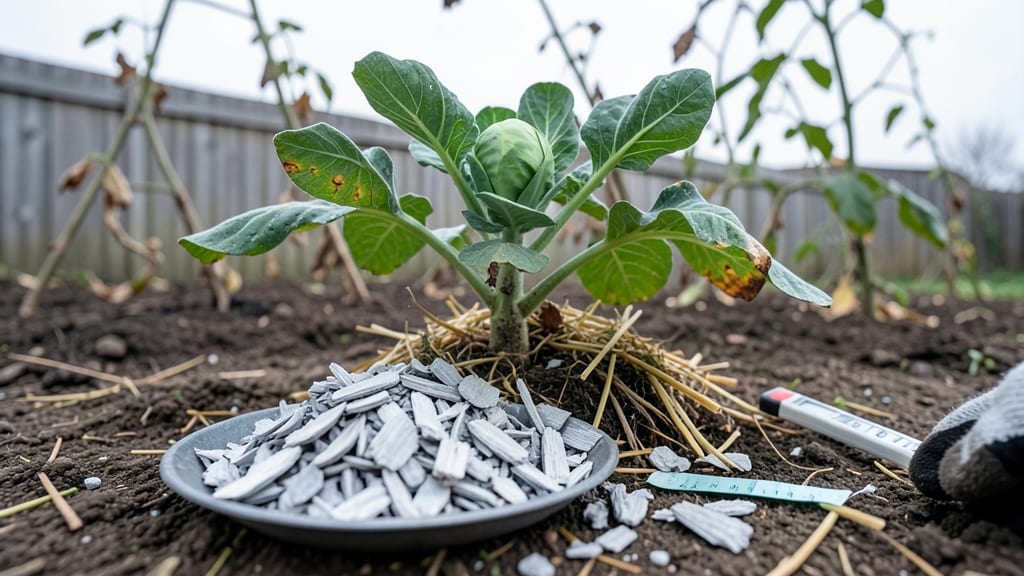
Using alkaline water for plants can severely disrupt soil chemistry, pushing acid-loving varieties like azaleas, blueberries, and tomatoes beyond their ideal pH range of 4.5–6.5 while potentially benefiting alkaliphilic species such as lavender or succulents. Always test soil pH first and make gradual adjustments with organic amendments like sulfur or peat moss instead of direct alkaline water application.
Alkaline water's high pH can strip vital nutrients like iron and manganese from soil, leaving acid-loving plants nutrient-starved. 🌱 The issue isn't just the pH shift—it's how quickly alkaline water alters soil structure, making it harder for roots to access moisture and nutrients.
For example, tomatoes grown in alkaline conditions often develop yellow leaves (chlorosis) because they can't uptake iron, even if it's present in the soil. That's why I always recommend testing soil pH before making any water changes—most garden centers sell affordable test kits that give you precise readings.
If you're determined to use alkaline water, focus on plants that thrive in higher pH environments like lavender or ornamental grasses. Even then, I suggest diluting it significantly (1 part alkaline water to 10 parts rainwater) and monitoring plant responses.
For most gardeners, it's far safer to adjust soil pH naturally using organic amendments rather than risking water chemistry changes that could harm your entire garden ecosystem.
💡 In This Article
- How Alkaline Water Alters Soil Chemistry and Plant Health
- Safe Ways to Use Alkaline Water for Garden Plants
How alkaline water alters soil chemistry and plant health
When you water plants with alkaline water (pH typically 7.5–10), you're essentially introducing hydroxide ions (OH⁻) that react with the soil's natural acidity (H⁺ ions). This chemical reaction neutralizes soil acidity faster than organic amendments like compost or sulfur, often pushing soil pH upward by 0.5–1.5 points per application.
The problem isn't just the pH shift—it's how alkaline water disrupts the soil's delicate cation exchange capacity (CEC), where nutrients like calcium, magnesium, and potassium bind to soil particles. 🌱
The real damage happens to micronutrients. Iron (Fe), manganese (Mn), and zinc (Zn)—essential for chlorophyll production—become unavailable when soil pH rises above 6.5. These nutrients form insoluble oxides or hydroxides that plants can't absorb, even if they're present in the soil.
For example, blueberries need soil pH 4.5–5.5 to access iron; alkaline water can raise this to 7.0+ in just 3–4 weeks of regular use, causing classic iron deficiency chlorosis (yellow leaves with green veins).
Alkaline water also degrades soil structure over time. The high pH causes clay particles to disperse, reducing water retention and aeration. This is why tomato plants grown with alkaline water often show stunted roots and poor fruit set—their roots can't penetrate compacted, alkaline soil efficiently.
The texture becomes gritty and repellent to water, similar to how hard water leaves mineral deposits in pipes. 🔥
Not all plants suffer equally. Alkaliphilic plants like lavender, rosemary, and succulents actually thrive in pH 7.0–8.5 ranges, but even they can experience nutrient imbalances if alkaline water is overused. For instance, while lavender tolerates high pH, excessive alkalinity can lead to calcium toxicity, causing leaf burn.
The key is understanding your soil's baseline pH—most garden soils naturally sit between 6.0–7.0, so alkaline water can push them into harmful ranges quickly.
Here's what happens chemically: Alkaline water's OH⁻ ions react with soil aluminum (Al³⁺) to form aluminum hydroxide, which is toxic to most plants. This reaction is particularly destructive in sandy soils, where there's less buffering capacity to absorb the pH shock.
In contrast, clay soils can resist pH changes better due to their higher CEC, but even they degrade over time with repeated alkaline watering. 💫
Long-term use of alkaline water can also disrupt the soil microbiome. Beneficial bacteria and fungi that thrive in acidic conditions (like mycorrhizal fungi) die off, while alkaliphilic microbes take over—often at the expense of nutrient cycling.
This creates a vicious cycle: fewer beneficial microbes mean poorer nutrient availability, which forces plants to work harder to survive, weakening their overall health.
The bottom line? Alkaline water isn't inherently "bad," but its effects are immediate, irreversible, and cumulative. A single watering might not cause visible damage, but consistent use can transform your soil's chemistry within a few months.
Always test your soil first—most acid-loving plants will show signs of distress long before you notice the pH change. 🌿