Diseases
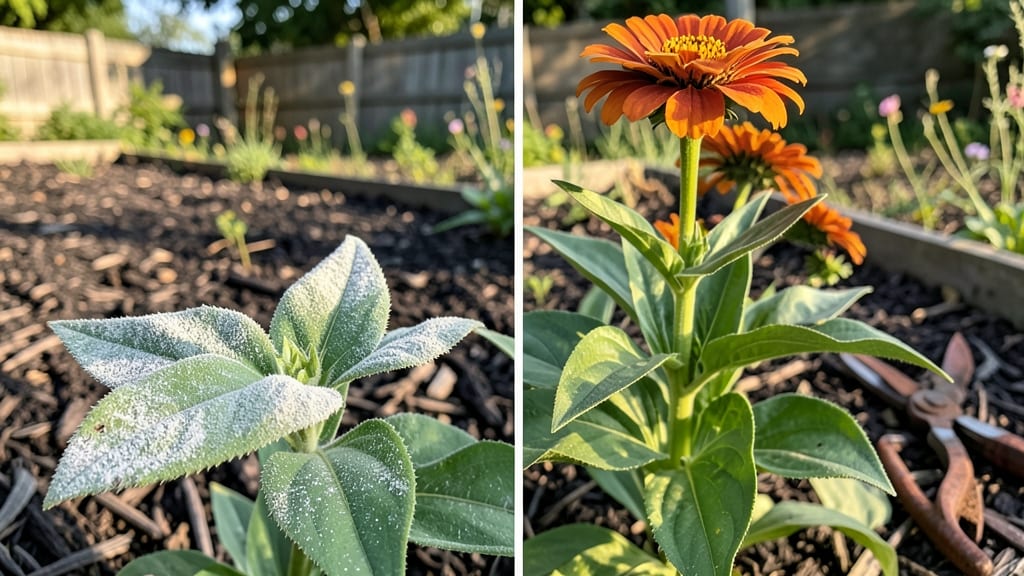
Zinnia plant diseases can turn vibrant blooms into a sad, spotted mess if you don’t catch them early. 🌻 I’ve seen powdery mildew turn my zinnias into ghostly white skeletons, and bacterial leaf spot chew through foliage like a hungry caterpillar—both before I even noticed the problem.
The key to keeping your zinnias healthy isn’t just treating symptoms; it’s spotting the warning signs before they spread.
Most zinnia diseases start with tiny clues: white dust on leaves (powdery mildew), dark spots with yellow halos (bacterial leaf spot), or rust-colored pustules (rust fungus). These aren’t just cosmetic issues—they weaken plants, stunt growth, and can kill your flowers before they even open.
The good news? Early action—like removing infected leaves or adjusting watering habits—can save your zinnias before the disease takes over.
You’ll learn how to tell these diseases apart, what’s really causing them, and the simple fixes that work—whether you prefer organic sprays or targeted chemical treatments. By the end, you’ll spot trouble before it starts, and your zinnias will stay as bold and healthy as the day you planted them.
The best part? These strategies work for other annuals too, so you’re not just protecting your zinnias—you’re building a smarter garden routine. Let’s get those blooms thriving without the drama.
Root Causes of Zinnia Struggles
Zinnia plants, with their vibrant blooms and easy-growing nature, can still fall prey to diseases if certain conditions align. Understanding why these issues arise helps you take preventive action before problems escalate. Below, we break down the key triggers behind zinnia plant diseases, from fungal infections to environmental stressors.
---
Zinnias thrive in well-ventilated spaces, but when plants are too close together, humidity lingers, creating the perfect breeding ground for fungal pathogens like powdery mildew and **gray mold (Botrytis cinerea).
- Why it happens: - Stagnant air traps moisture, slowing evaporation and keeping leaves damp longer. - Fungal spores thrive in high humidity (above 70%) and warm temperatures (60–80°F)—ideal conditions for zinnia diseases. - Overcrowding also blocks sunlight, weakening plants and making them more susceptible to stress-related infections.
- Actionable fix: - Space zinnias 12–18 inches apart to improve airflow. - Prune lower leaves to reduce humidity buildup near the soil. - Avoid watering overhead—use drip irrigation or water at the base.
---
Zinnias hate soggy roots. While they need consistent moisture, poor drainage or overwatering leads to: - Root rot** (caused by Phytophthora or Pythium fungi). - Leaf spot diseases (e.g., Alternaria or Septoria), which spread when water sits on foliage.
- Why it happens: - Compacted or clay-heavy soil prevents water from draining, suffocating roots. - Frequent rain or irrigation without breaks keeps the soil perpetually wet, inviting fungal growth. - Weak root systems (from nutrient deficiencies or transplant shock) struggle to absorb water efficiently, leading to waterlogged stress.
- Actionable fix: - Amend soil with compost or perlite to improve drainage. - Water early in the day so foliage dries before evening. - Use raised beds or containers if your garden has poor drainage.
---
Zinnias are particularly vulnerable to airborne fungal spores, especially in humid climates or after rain.
Common culprits include: - Powdery mildew (Erysiphe cichoracearum) – Appears as white, powdery patches. - Downy mildew (Peronospora zinniae) – Causes yellowing leaves with fuzzy gray undersides. - Rust (Puccinia spp.) – Rust-colored pustules on stems and leaves.
- Why it happens: - Spores drift on wind or water, landing on susceptible zinnias, especially young plants with tender tissue. - Stressed plants (from drought, poor soil, or nutrient deficiencies) have weaker defenses. - Previous infected plants in the same spot leave behind spores in the soil or debris.
- Actionable fix: - Rotate crops—avoid planting zinnias in the same spot yearly. - Remove and destroy infected leaves immediately to prevent spore spread. - Apply neem oil or copper fungicide as a preventive spray (follow label instructions).
---
Zinnias need balanced nutrition to fight off diseases. Deficiencies weaken their immune response, making them easy targets for pathogens.
- Why it happens: - Low nitrogen (N) → Stunted growth, pale leaves, and poor resistance to stress. - Low phosphorus (P) → Weak roots struggle to absorb water, increasing susceptibility to rot. - Low potassium (K) → Plants become more prone to fungal infections due to compromised cell walls. - Over-fertilization with nitrogen → Excessive soft, lush growth attracts pests and diseases.
- Actionable fix: - Conduct a soil test to identify deficiencies. - Use a balanced fertilizer (10-10-10 or 5-10-10) at planting and mid-season. - Compost tea boosts microbial activity, improving plant resilience.
--- Insects like aphids, spider mites, and whiteflies feed on zinnia sap, creating entry points for bacteria and fungi. Their honeydew secretion also fosters sooty mold, a secondary fungal issue.
- Why it happens: - Damaged tissue from pests provides open wounds for pathogens to invade. - Honeydew (sugary waste) attracts mold spores, leading to sooty mold (black, velvety growth). - Stressed plants (from pest damage) produce less chlorophyll, weakening their disease-fighting abilities.
- Actionable fix: - Inspect leaves regularly for pests—remove them with soapy water. - Introduce beneficial insects (ladybugs, lacewings) to control populations naturally. - Use insecticidal soap if infestations persist (apply in the early morning).
--- Zinnias prefer warm, stable conditions, but sudden changes—like late frosts, heatwaves, or cold snaps—stress them out, making them vulnerable to disease.
- Why it happens: - Cold stress (below 50°F) slows metabolic processes, weakening the plant’s defenses. - Heat stress (above 90°F) causes wilting and sunburn, creating entry points for bacteria. - Rapid temperature swings disrupt stomatal function, making it harder for plants to regulate moisture and resist infections.
- Actionable fix: - Choose disease-resistant varieties (e.g., ‘Benary’s Giant’ or ‘Crystal’ series). - Mulch around plants to regulate soil temperature. - Provide shade cloth during extreme heat to prevent sun stress.
--- Reusing gardening tools, pots, or soil without sterilization can transfer pathogens from previous infected plants to healthy zinnias.
- Why it happens: - Fungal spores linger on pruners, trowels, or gloves used on sick plants. - Reused potting mix may contain dormant pathogens from past crops. - Seedlings grown in contaminated trays can carry diseases into the garden.
- Actionable fix: - Sterilize tools with rubbing alcohol or bleach solution (1 part bleach to 9 parts water). - Pasteurize soil by baking it at 180°F for 30 minutes or using fresh, disease-free potting mix. - Disinfect seed trays with hydrogen peroxide (3%) before reuse.
--- Zinnia diseases rarely strike in perfectly balanced conditions—they thrive when moisture, poor airflow, stress, or pathogens align. By addressing these root causes, you’ll create an environment where your zinnias stay strong, healthy, and disease-free! 🌸💪
Quick Fixes for Zinnia Troubles
Zinnia plants are resilient, but when diseases strike, acting fast is key to saving your blooms. Below are practical, step-by-step solutions for the most common zinnia ailments, along with prevention tips to keep your garden thriving.
Whether it’s fungal spots, bacterial rot, or pesky pests, these fixes will get your zinnias back on track—without the stress!
---
🔧 Fix It: 1. 🌿 Prune & Toss Infected Leaves - Snip off yellowed or spotted leaves immediately with clean, sterilized scissors (dip in rubbing alcohol between cuts). - Dispose of them in the trash—not the compost—to prevent spread.
2. 💦 Water at the Roots, Not the Leaves - Use a soaker hose or drip irrigation to keep foliage dry. Wet leaves = fungal buffet. - Water in the early morning so leaves dry quickly in sunlight.
3. 🧴 Fungal Spray Remedies - Baking Soda Spray: Mix 1 tsp baking soda + 1 tsp vegetable oil + 1 tsp dish soap + 1 gallon water.
Spray every 7–10 days. - Neem Oil: Apply 1 tbsp neem oil + 1 tsp mild soap per quart of water. Spray undersides of leaves where spores hide. - Copper Fungicide: For severe cases, use a store-bought copper-based fungicide (follow label instructions).
4. 🌞 Improve Airflow & Sunlight - Space plants 12–18 inches apart to reduce humidity buildup. - Thin out crowded foliage to let sunlight and air circulate.
💡 Prevention Pro Tips: ✔ Rotate crops—don’t plant zinnias in the same spot year after year. ✔ Mulch lightly with straw (not thick layers) to deter soil splashes. ✔ Avoid overhead watering—stick to drip irrigation or watering at the base.
---
🔧 Fix It: 1. 🚫 Remove & Destroy Infected Plants - Bacterial diseases spread fast. Pull up severely infected zinnias and bag them before tossing.
2. 🧼 Sterilize Tools & Hands - Wash hands with soapy water after handling plants. - Sterilize pruners with 70% rubbing alcohol or a bleach solution (1 part bleach to 9 parts water).
3. 💧 Adjust Watering Habits - Water only when the top inch of soil is dry—overwatering = bacterial paradise. - Use drip irrigation to avoid splashing bacteria onto leaves.
4. 🌱 Boost Plant Immunity - Feed zinnias with a balanced fertilizer (10-10-10) every 4–6 weeks to strengthen growth. - Compost tea (homemade or store-bought) can enhance natural resistance.
💡 Prevention Pro Tips: ✔ Plant zinnias in well-draining soil—bacteria thrive in soggy conditions. ✔ Avoid working in the garden when leaves are wet (morning dew = bacterial spread risk). ✔ Use resistant varieties like ‘Benary’s Giant’ or ‘Crystal’ if bacterial diseases are common in your area.
---
🔧 Fix It: 1. 💦 Blast Off Pests with Water - For aphids or spider mites, spray plants with a strong stream of water to knock them off. - Do this early in the morning for best results.
2. 🍋 Homemade Pest Repellents - Soapy Water Spray: Mix 1 tsp mild dish soap + 1 quart water. Spray directly on pests (reapply every 3–4 days). - Garlic & Chili Pepper Spray: Blend 2 garlic cloves + 1 tbsp cayenne pepper + 1 quart water.
Strain and spray on leaves (pests hate the smell!). - Neem Oil: Same as above—1 tbsp neem oil + 1 tsp soap per quart of water.
3. 🕷️ Handpick Japanese Beetles - Drop them into soapy water (they’ll drown instantly). - Best time: Early morning when they’re sluggish.
4. 🌿 Introduce Beneficial Insects - Ladybugs and lacewings eat aphids. Buy them from garden centers and release them near infected plants.
💡 Prevention Pro Tips: ✔ Interplant with pest-repelling herbs like marigolds, basil, or dill. ✔ Inspect new plants before bringing them home—quarantine for a week if possible. ✔ Yellow sticky traps can catch flying pests like whiteflies.
--- If your zinnias are wilting, stunted, or just looking sad, try these quick recovery steps: - 🌞 Give them more sun—zinnias need 6–8 hours of direct sunlight daily. - 💧 Check soil moisture—stick your finger in the soil; if it’s dry 1 inch down, water deeply. - 🌿 Trim dead blooms to encourage new growth (deadheading = more flowers!). - 🍄 Add compost around the base for a nutrient boost (but don’t pile it against the stem).
--- Final Thought: Most zinnia diseases are preventable with good hygiene, smart watering, and a little extra care. Once you spot a problem, act fast—your zinnias will bounce back with big, bold blooms in no time! 🌸💪
Frequently asked questions about zinnia plant diseases
What are the most common signs my zinnias have a fungal disease?
Look for white powdery coatings (powdery mildew), yellow spots with dark centers (bacterial leaf spot), or rust-colored pustules (rust fungus). These appear on leaves first, often starting at the bottom. Check undersides of leaves too—many fungal spores hide there before spreading. If you see these, act fast by removing infected foliage and improving airflow.
Can I still use my zinnias if they have a few small spots?
Yes, but only if the spots are minor and the rest of the plant looks healthy. Remove just the affected leaves and monitor closely. If the disease spreads to stems or flowers, it's better to discard the whole plant to prevent contamination. Small spots on leaves won't harm you, but don't use flowers from severely infected plants for arrangements.
How do I tell if my zinnias have bacterial leaf spot vs. powdery mildew?
Bacterial leaf spot shows up as water-soaked yellow or brown spots with darker edges, often with a yellow halo. Powdery mildew appears as white, powdery patches that look like flour dusting the leaves. The key difference: bacterial spots are wet-looking and spread quickly, while mildew is dry and spreads more slowly. Bacterial issues need immediate removal of infected plants.
Will my zinnias recover if I treat fungal diseases late in the season?
Probably not—once fungal diseases take hold late in the season, the plant's energy is focused on seed production rather than recovery. However, you can still save next year's zinnias by removing all infected plants (including roots) and sterilizing your tools. Focus on prevention for future plantings, like spacing plants properly and avoiding overhead watering.
Are there any zinnia varieties that naturally resist diseases?
Yes! Look for varieties like 'Benary's Giant,' 'Crystal,' or 'Profusion.' These hybrids are bred for better disease resistance, especially against powdery mildew and bacterial leaf spot. While no variety is completely immune, these tend to handle humidity and heat better. Always pair resistant varieties with good cultural practices for the best protection.