How To
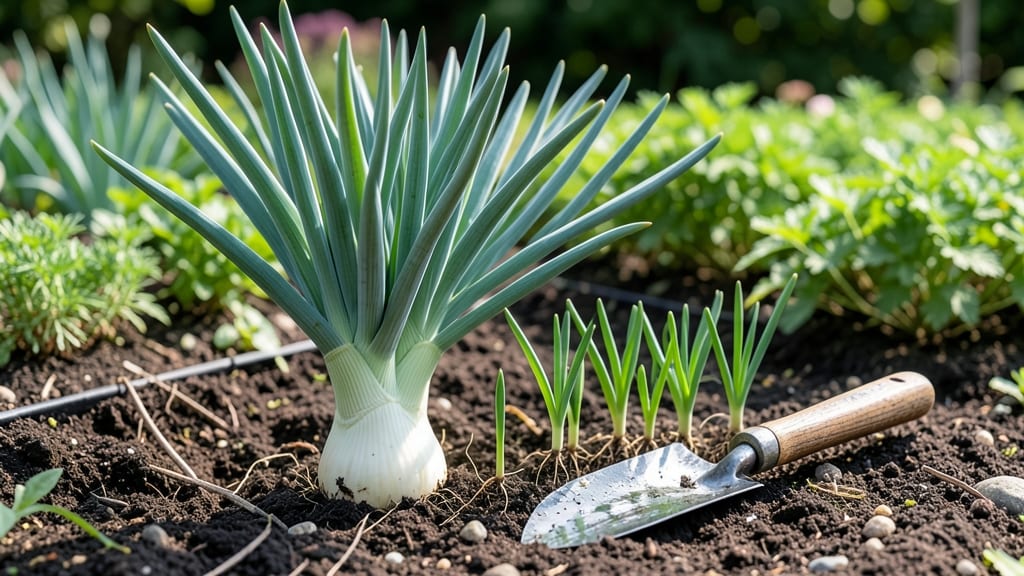
Growing leeks with the right planting distance 🧅 is the difference between thick, flavorful stems and a patch of stunted, disease-prone plants.
Struggling to grow leeks with thick, pest-free stems? The secret isn’t just in the soil—it’s in the spacing. Plant them too close, and you’ll battle fungal diseases and stunted growth; too far apart, and you’ll waste precious garden space. Here’s how to get it just right.
Leeks thrive when given room to breathe, but the ideal spacing depends on your goals: 6 inches for quick harvests, 12–18 inches for full-size stems, or even tighter in small gardens with clever tricks. I’ll break down the science, common mistakes, and how to adjust for your climate or space.
By the end, you’ll know exactly how far to space your leeks for healthier plants, fewer pests, and a harvest that rivals the grocery store—without the guesswork.

Optimal leeks planting distance by growth stage: from seedlings to harvest
Leeks thrive when given the right space to grow, but their spacing needs change dramatically as they mature. Seedlings need tight quarters to establish roots, while mature leeks demand room to develop thick, disease-resistant stems.
Getting this balance right ensures you avoid stunted growth and fungal diseases like rust or downy mildew—common issues when plants compete for air and nutrients. Let’s break down the perfect spacing for each stage, so you can maximize your harvest without wasting space.
One of the biggest mistakes I see is treating leeks like onions or garlic. While those alliums can handle closer spacing, leeks need more elbow room to prevent blight and rot. The key is adjusting spacing as they grow, starting tight and widening as they mature.
This approach also lets you fit more plants into small gardens while still giving each leek the airflow it needs to stay healthy. Let’s dive into the specifics for each growth phase.
Growth Stage
Plant Spacing (Inches)
Row Spacing (Inches)
Key Considerations
Seedlings (2-4 weeks)
3–4
12
Thin to prevent overcrowding; use shallow trenches for early growth.
Young Plants (4-8 weeks)
6
18
Increase spacing to reduce competition; mulch to retain moisture.
Mature Plants (8+ weeks)
12–18
24
Final spacing for thick stems; prioritize airflow to prevent disease.
Succession Planting
6–12
18–24
Stagger plantings every 2–3 weeks for continuous harvest.
When I first started growing leeks, I planted them 6 inches apart all season long—only to end up with thin, leggy stems and fungal spots on the leaves. The lesson? Leeks need room to breathe, especially as they mature.
Start with 3–4 inches for seedlings, but thin them to 6 inches once they’re 4–6 weeks old. This early adjustment prevents overcrowding and gives roots room to expand.
Row spacing is just as critical as plant spacing. For seedlings, keep rows 12 inches apart to make thinning easier. As plants grow, widen rows to 18–24 inches to accommodate mature leeks. This extra space improves airflow, reducing humidity around the foliage—a major factor in preventing downy mildew.
In my USDA Zone 6a garden, I’ve found that 24-inch rows work best for late-summer plantings, giving leeks enough room to bulk up before winter.
One trick I learned from a local farmer is to use shallow trenches for early planting. Dig a trench 4–6 inches deep and plant seeds or seedlings along the sides, spacing them 3 inches apart.
As they grow, gently mound soil around the stems to blanch the lower portion, which encourages thicker, sweeter growth. This method also makes thinning easier—just snip unwanted seedlings at the base with clean scissors.
If you’re working with limited space, consider interplanting leeks with shallow-rooted crops like lettuce or radishes. These companions won’t compete for nutrients and can even help suppress weeds. Just be sure to remove the companions once leeks reach 6 inches tall to avoid shading them.
In my 4’x8’ raised bed, I plant leeks along the north side with radishes in the gaps—it’s a win-win for space and yield.
For succession planting, adjust spacing based on your harvest timeline. If you’re planting leeks every 2–3 weeks for a continuous harvest, start with 6-inch spacing
How close can you plant leeks without risking disease or stunted growth?
Leeks thrive when given the right amount of space, but many gardeners struggle with the balance between maximizing yield and preventing fungal diseases like rust or downy mildew. Crowding leeks too closely creates a humid microclimate where spores spread effortlessly, while spacing them too far wastes garden real estate.
The ideal distance depends on your climate, soil fertility, and whether you're growing from seeds or transplants.
In my experience, 6-inch spacing for young leeks is the sweet spot—enough room for airflow while still allowing you to fit 3–4 plants per square foot. However, this changes as they mature. By harvest time, leeks need 12–18 inches between plants to develop thick, disease-resistant stems.
The key is thinning seedlings early to avoid competition for nutrients and water, which stunts growth and invites pests.
Leeks with wet foliage and poor airflow are prime targets for rust fungus and downy mildew. Symptoms include yellow spots, black pustules, or powdery growth on leaves. If you notice these, immediately thin to 12-inch spacing and apply a copper fungicide or neem oil spray.
Humid climates (like USDA Zone 7+) require even wider spacing—up to 18 inches—to prevent outbreaks.
Your climate plays a huge role in spacing decisions. In cooler regions (like Zone 4–6), leeks can handle slightly tighter spacing—10–12 inches—because slower growth reduces disease pressure.
But in hot, humid areas (like Zone 8–10), I’ve seen leeks planted just 8 inches apart develop severe rust within weeks. Always err on the side of more space if your summers are sticky.
Thinning is where many gardeners trip up. Seedlings should start 3–4 inches apart, but by the time they’re 4–6 inches tall, thin to 6 inches to reduce competition. Use sharp scissors to snip at soil level—never pull—to avoid disturbing roots.
Save the thinnings for soups or compost; they’re still edible! Pro tip: Thin on a dry morning to let wounds heal quickly and reduce disease entry points.
Row spacing matters just as much as in-row distance. Aim for 12–24 inches between rows to allow for weeding, harvesting, and airflow at plant level.
In small gardens, I’ve successfully used 12-inch rows with 6-inch spacing between plants, but this works best with dwarf varieties like ‘King Richard’ or ‘American Flag.’ For taller types (like ‘Musselburgh’), stretch rows to 24 inches to prevent leaf blight from spreading.
Don’t forget about companion planting—it can indirectly improve spacing efficiency. Pair leeks with carrots or radishes, which break up soil compaction and deter pests like leek moths. Just avoid planting near beans or peas, which compete for nitrogen.
With the right spacing and a little vigilance, your leeks will reward you with thick, clean stems and minimal disease fuss.