Watering
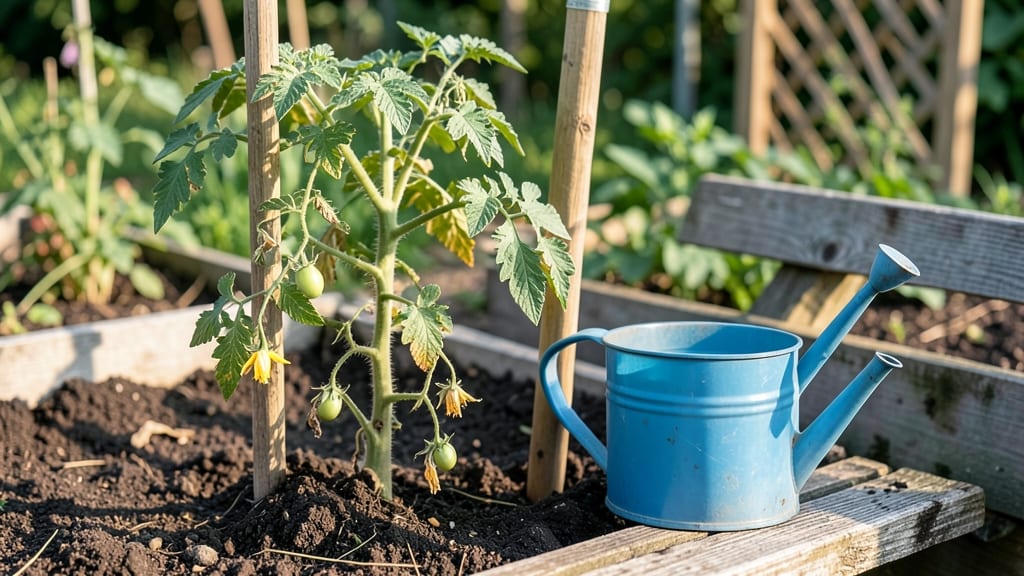
When your tomato plant's leaves start drooping like a sad balloon, you're dealing with an underwatered tomato plant—and the good news is, revival is simpler than you think. 🌱 I've nursed back more than a few plants with these three foolproof fixes, and the best part?
You'll see improvement within just a few hours of proper watering.
Most gardeners overlook the basics: checking soil moisture before watering and ensuring roots get consistent hydration. Stick your finger 2 inches into the soil—if it feels dry, that's your cue.
Overwatering is just as deadly as underwatering, so aim for damp (not soggy) soil every 2-3 days, adjusting for heat or wind. A simple watering schedule keeps plants thriving without guesswork.
You'll notice leaves perking up within hours, with new growth appearing in 3-5 days if you catch it early. The key is deep watering—soak the soil until water runs out the bottom of the pot or container, then let it drain completely.
This method prevents shallow roots and keeps plants sturdy. Before you know it, your tomatoes will be back to their vigorous selves.
These fixes work for both container-grown and in-ground tomatoes, so no matter where your plants live, they'll bounce back. The secret is consistency—once you establish a routine, your plants will thank you with bigger, healthier yields all season long.
Root Causes Of Plant Stress
Underwatered tomato plants don’t just happen by accident—they’re often the result of specific environmental or human factors that disrupt their natural hydration needs. Understanding these causes helps you prevent future stress and revive your plants faster.
Let’s break down the most common reasons your tomato plant might be thirsty, along with the science behind each one.
---
Tomatoes thrive on consistent moisture, especially during their fruiting stage.
Their deep root systems demand 1–1.5 inches of water per week (or more in extreme heat), but many gardeners either: - Water too infrequently (e.g., once a week instead of every 2–3 days in summer). - Rely on light, superficial watering that only wets the topsoil, leaving deeper roots parched.
Why it matters: Tomatoes are deep-rooted (up to 3 feet!) and need water to reach their lower roots. Shallow watering encourages roots to stay near the surface, making them vulnerable to drought stress. When soil dries out, osmotic pressure inside plant cells drops, causing wilting—even if the soil looks moist at the surface.
Pro tip: 💡 Use a moisture meter or the "finger test" (stick your finger 2 inches deep—if dry, water immediately).
---
Clay-heavy or compacted soil traps water near the surface but fails to distribute it evenly to roots.
While this might seem counterintuitive (since the soil looks wet), the water isn’t available to the plant because: - Air pockets collapse, suffocating roots and reducing oxygen uptake. - Water pools instead of percolating, leading to root rot in some areas while others stay dry.
Why it matters: Tomatoes need well-aerated soil to absorb water efficiently. Compacted soil forces roots to compete for moisture, and the plant can’t access water stored deeper down. Over time, this creates a false sense of hydration—your plant looks plump but is secretly struggling.
Fix it: ✨ Amend soil with compost or perlite to improve drainage. Avoid walking on garden beds, and mulch to prevent soil crusting.
---
Tomatoes transpire (lose water through leaves) at alarming rates in hot, dry, or windy conditions.
Even with regular watering, these factors can outpace your plant’s ability to retain moisture: - High temperatures (>90°F) increase evaporation from soil and leaves. - Strong winds dry leaves faster, forcing the plant to close stomata (pores) to conserve water—but this also stops photosynthesis. - Intense sunlight (especially in greenhouses) can scorch leaves, reducing their ability to absorb CO₂ and water efficiently.
Why it matters: When transpiration exceeds water uptake, the plant wilts rapidly, even if the soil has moisture. This is why afternoon wilting is common—leaves lose water faster than roots can replace it.
Solution: 🌡️ Water deeply in the morning (when evaporation is lowest) and use shade cloth during peak heat. Group plants together to reduce wind exposure.
---
Pruning is great for airflow, but aggressive trimming—especially near the base—can sever critical feeder roots. Additionally: - Disturbing roots during transplanting or weeding can cause temporary shock, reducing water absorption. - Over-pruning removes leaves that photosynthesize, weakening the plant’s ability to fuel root growth.
Why it matters: Roots are the plant’s lifeline for water and nutrients. Damage disrupts their mycorrhizal fungi (beneficial soil microbes that help absorb water), making the plant more susceptible to drought stress.
Prevent it: 🔪 Prune selectively—remove only diseased or overcrowded branches. Avoid cutting into the root flare (the swollen base where roots meet the stem).
--- Potted tomatoes dry out 3–5x faster than in-ground plants because: - Limited soil volume means water evaporates quickly. - Plastic pots retain less moisture than clay (which breathes). - No mulch in containers accelerates soil drying.
Why it matters: Small pots overheat roots, while large ones can hold too much water, leading to rot. Either way, the plant struggles to balance hydration and aeration.
Actionable fix: 🏺 Upgrade to a 5-gallon+ pot with drainage holes. Use self-watering containers or coco coir to retain moisture. Water every 1–2 days in summer (check soil daily).
--- Too much nitrogen-heavy fertilizer (like fresh manure or synthetic blends) burns roots, reducing their ability to absorb water. Symptoms include: - Yellowing lower leaves (a sign of root stress). - Stunted growth despite regular watering.
Why it matters: Fertilizer salts disrupt osmotic balance, making it harder for roots to pull water from the soil. The plant wilts because it can’t access the moisture—even if the soil is damp.
Adjust your routine: ✨ Flush soil with water every 4–6 weeks to leach excess salts. Switch to balanced (10-10-10) or organic fertilizers with potassium to strengthen roots.
--- Mulch isn’t just for looks—it: - Reduces soil evaporation by up to 50%. - Regulates temperature, keeping roots cool. - Prevents soil crusting, allowing water to penetrate deeply.
Why it matters: Without mulch, sun beats down on bare soil, turning it to dust. Water runs off instead of soaking in, leaving roots high and dry.
Easy fix: 🌿 Apply 2–3 inches of organic mulch (straw, wood chips) around the base (but not touching the stem). Replenish as it decomposes.
Revive Your Tomato Plant Fast
Now that you know the signs and causes of an underwatered tomato plant, it’s time to take action! The good news? With the right steps, your plant can bounce back—often within days.
Below, we’ve mapped out practical fixes for each common cause, along with prevention tips to keep your tomatoes thriving long-term.
---
Cause: Shallow watering leads to dry soil and stressed roots. Solution: 1. 🔥 Check Soil Moisture – Stick your finger 2-3 inches deep. If it’s dry, it’s time to water. 2. 🍳 Water Deeply – Use a drip irrigation system or a soaker hose to deliver water slowly to the roots (1-2 inches per week, depending on climate). 3. 👨🍳 Avoid Surface Splashing – Water at the base (not the leaves) to prevent fungal diseases like blight. 4. ⏰ Best Time to Water – Early morning (6-9 AM) reduces evaporation and gives roots time to absorb moisture.
💡 Pro Tip: If your plant is severely wilted, submerge the pot in a bucket of water for 10-15 minutes to fully rehydrate the roots.
---
Cause: Inconsistent watering (too little, too often) shocks the plant. Solution: - 📊 Create a Watering Schedule – Aim for 1-1.5 inches of water per week, adjusting for rain or heat. - 🌱 Mulch Like a Pro – Apply 2-3 inches of organic mulch (straw, wood chips) to retain moisture and regulate soil temperature. - ✨ Monitor Weather Changes – Increase watering during heatwaves (daily shallow checks) and reduce in cool, rainy spells.
💡 Pro Tip: Use a moisture meter ($10-$20) to track soil hydration—no more guesswork!
---
Cause: Compacted or nutrient-poor soil prevents water from reaching roots. Solution: 1. 🔪 Loosen the Soil – Gently aerate the top 6 inches with a fork to improve drainage. 2. 🥗 Add Organic Matter – Mix in compost or aged manure to enhance water retention and root growth. 3. 🍎 Avoid Over-Fertilizing – Too much salt (from synthetic fertilizers) can worsen drought stress. Opt for balanced, slow-release fertilizer (like 10-10-10).
💡 Pro Tip: If your soil is sandy, add coco coir or peat moss to help it hold moisture longer.
---
If your tomato plant looks near death (leaves crispy, stems limp), try this last-resort fix: 1. 🌊 Hydration Shock Therapy – Place the pot in a tub of water for 30 minutes to fully saturate roots.
2. 🌿 Trim Damaged Foliage – Snip brown, crispy leaves to redirect energy to recovery. 3. 🌡️ Move to Shade – Reduce stress by partially shading the plant for 3-5 days while it recovers. 4. 💪 Resume Normal Care – Once revived, stick to a consistent watering routine.
--- 🎯 Prevention Checklist for Future Harvests ✅ Water at the base (never overhead). ✅ Use mulch to lock in moisture. ✅ Check soil weekly (stick your finger in!). ✅ Adjust for weather (more water in heat, less in rain). ✅ Upgrade to drip irrigation for hands-off hydration.
With these fixes, your tomato plant should perk up within 3-7 days—and with proper care, you’ll be back to juicy, vine-ripened tomatoes in no time! 🍅🌱
Frequently asked questions
How do I tell if my tomato plant is truly underwatered vs. just wilting from heat?
Check the soil first—stick your finger 2 inches deep. If it's bone-dry, that's your underwatering clue. For heat wilting, leaves often droop in the afternoon but recover at night. Underwatered plants stay wilted even after evening cooling. Also, look for crispy leaf edges or yellowing—classic dehydration signs.
Can I save a tomato plant that's been underwatered for a week?
Yes, but act fast! Start with hydration shock therapy: submerge the pot in water for 30 minutes to fully rehydrate roots. Trim any crispy leaves and move to shade for 3-5 days while it recovers. With consistent watering after that, most plants bounce back within 7-10 days, though severe cases may need extra time.
Why does my tomato plant wilt even after I water it?
This usually means your watering isn't reaching the roots. Tomatoes have deep roots (3 feet!)—shallow watering only wets the top. Try the bucket test: pour 1 gallon of water at the base until it drains through. Also check for compacted soil or poor drainage, which prevents water from penetrating deeply.
Is it better to water tomato plants in the morning or evening?
Morning wins every time! Watering between 6-9 AM gives roots all day to absorb moisture before evaporation peaks. Evening watering can lead to fungal issues since leaves stay wet overnight. Pro tip: If you must water in the evening, do it by 6 PM and avoid wetting foliage.
How often should I water potted vs. in-ground tomato plants?
Potted tomatoes need water every 1-2 days in summer (check soil daily)—their small soil volume dries out fast. In-ground plants typically need 1-1.5 inches per week, but adjust for weather. For pots, upgrade to 5-gallon+ containers with drainage holes and use mulch to retain moisture.