Pruning
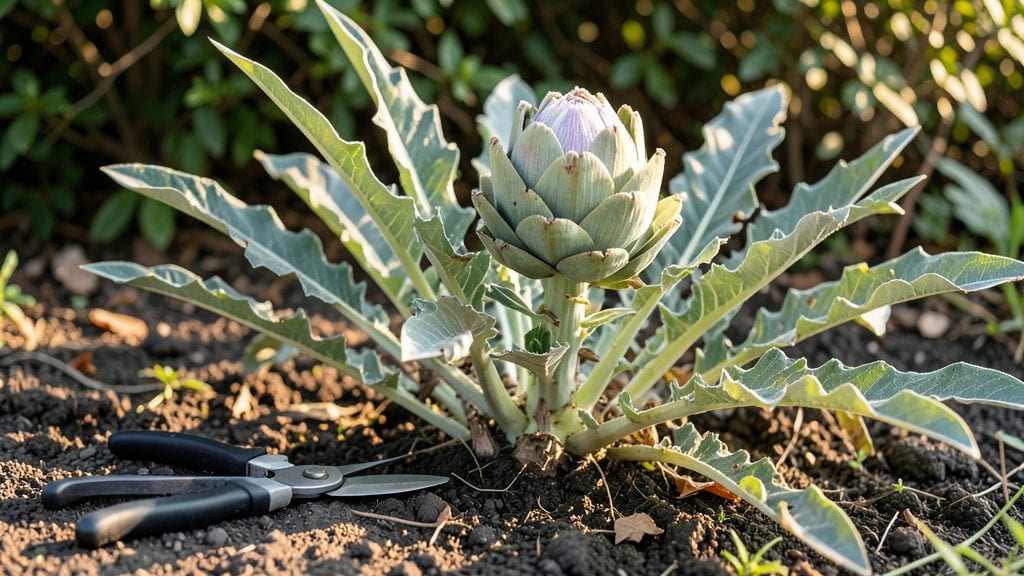
Trimming artichoke plants isn't just about shaping them—it's the secret to doubling your harvest. ✨ I learned this the hard way after my first season, when I ignored the spent flower heads and ended up with just a handful of artichokes.
The right cuts encourage new shoots, keep the plant focused on producing food, and prevent disease from setting in.
You only need three things: sharp pruning shears, a clean bucket for clippings, and about 15 minutes on a sunny morning. The key is timing—trim right after harvest, when the plant has energy to bounce back.
Avoid cutting into woody stems, and always make clean cuts just above a leaf node to encourage new growth.
What you'll end up with is a bushier plant that produces artichokes for weeks instead of just a few. The first flush of new shoots appears within days, and by midseason, you'll have more buds than you know what to do with.
The plants stay healthier too, with fewer pests and diseases clinging to dead growth.
Works for both globe and French varieties, and the same principles apply whether you're growing in full sun or partial shade. Here's how to do it without stressing the plant—or yourself.
📚 In This Guide
- What you need
- Instructions
- Tips and common mistakes
- Wrapping up and next steps
What you need
- ● Pruning shears or bypass pruners: Sharp, clean, and sterilized (70% isopropyl alcohol or bleach solution works). Choose bypass-style (not anvil) for precision cuts.
- ● Gloves: Heavy-duty, cut-resistant gloves (e.g., leather or reinforced fabric) to protect against thorns and rough stems.
- ○ Garden knife or pruning saw: For thicker stems or stubborn branches (optional but helpful for mature plants).
- ● Disinfectant (e.g., rubbing alcohol or bleach solution): 1 part bleach to 9 parts water to sterilize tools between cuts and prevent disease.
- ● Garden twine or plant ties: (3–5 feet) to secure supports if staking young plants.
- ● Compost bin or mulch: To collect trimmings and recycle nutrients back into the soil.
- ● Hand pruners with ergonomic grips: Reduces hand fatigue during long sessions.
- ● Knee pads or a small stool: For comfort while working close to the ground.
- ● Plant marker flags: To label new growth or track trimmed sections.
- ● Hose with a gentle spray nozzle: To rinse tools and clean up sap/resin after trimming.
Step-by-Step guide to trimming artichoke plants
Here's how to keep your artichoke plants productive and healthy with simple, effective cuts.
🌿 Step 1: Identify and Remove Dead or Diseased Growth
Start by scanning your artichoke plants for any brown, wilted, or yellowed leaves or stems. These are clear signs of dead or diseased growth that need immediate removal. Use sharp, clean pruning shears to cut these back to healthy green tissue—about ½ inch below the damage. This prevents the spread of disease and keeps the plant focused on producing new, vigorous growth.
I always check the undersides of leaves too—sometimes pests or fungal spots hide there. If you spot any, trim those areas first. The goal is to give your plant a fresh start by eliminating anything that’s draining its energy. You’ll notice the plant looking instantly cleaner and more upright after this step.
✂️ Step 2: Prune Back Overgrown or Leggy Stems
Artichoke plants can get leggy, especially if they’re not getting enough light. Look for stems that are stretching too far apart or growing too tall and thin. These are the ones that need attention. Cut back leggy stems to just above a set of leaves or a strong side branch—this encourages the plant to branch out and produce more buds.
Don’t cut too aggressively, though. If you trim more than ⅓ of the plant’s height, you risk shocking it. Instead, focus on shaping it so it stays compact and bushy. You’ll see new side shoots emerge within a few weeks, and those are where your next harvest will come from.
🌱 Step 3: Encourage Bushier Growth by Trimming Side Shoots
Once your artichoke plant has developed multiple stems, it’s time to thin them out. Leave only the strongest, healthiest stems—about 3-4 per plant. Cut the others back to the base. This might seem counterintuitive, but fewer, stronger stems produce larger, more flavorful artichokes. You’ll also have less competition for nutrients, so the remaining stems grow faster.
While you’re at it, watch for any flower buds that aren’t forming artichokes. These little side shoots can drain energy from your main harvest. Snip them off early to redirect that energy back into your developing artichokes. You’ll know you’re doing it right when you see more buds forming on the remaining stems.
⏰ Step 4: Time Your Trims for Maximum Harvest
The best time to trim artichoke plants is in the early morning when the plant is well-hydrated. Avoid trimming after a heavy rain or when the plant is stressed from heat or drought. Work when the soil feels slightly damp to the touch—this ensures the plant recovers quickly. Trim every 4-6 weeks during the growing season to keep the plant in check.
If you’re growing artichokes in a warmer climate, you might need to trim more frequently to prevent overgrowth. In cooler areas, a single trim in early spring is often enough. Watch your plant’s response—if it’s putting out lots of new growth after a trim, you’re on the right track. If it looks sluggish, hold off on trimming for a few weeks and focus on watering and fertilizing instead.
Tips & tricks for precision artichoke plant trimming
A few key strategies will help you get the most out of your trimming effort and keep those artichoke plants thriving.
Tool Prep: Always sterilize your pruning shears with rubbing alcohol before you start. I learned this the hard way after transferring fungal spores from one plant to another. Wipe them down between cuts on different plants, especially if you notice any signs of disease. Sharp tools make cleaner cuts that heal faster, so take a few minutes to sharpen your shears if they feel dull.
Timing Secret: That early morning timing in Step 4 isn't just about hydration—it's also when plants are most resilient. The cool morning air helps prevent shock, and you'll avoid attracting pests that are most active in the heat of the day. If you must trim later, wait until late afternoon when temperatures start to drop. I've found that trimming in the afternoon heat can stress plants, especially in warmer climates.
Visual Cues: When you're deciding which stems to keep in Step 3, look for stems that are growing at a 45-degree angle or less from the main stalk. These are your strongest candidates. Avoid keeping stems that are growing straight up or outward—they'll produce smaller artichokes. Think of it like training a vine: you want that energy directed toward the center of the plant where it can support the heaviest harvests.
Recovery Strategy: After your first major trim, give your plants a week of extra care. Water deeply every other day and hold off on fertilizing until you see new growth. This helps the plant recover its energy reserves. I've noticed that plants trimmed in early spring often need this extra recovery period before they're ready for their next trim cycle. Watch for fresh green growth at the base of the stems—this is your sign that the plant is bouncing back.
Pro Tips for Trimming Artichoke Plants
- A few key strategies will help you get the most out of your trimming effort and keep those artichoke plants thriving.
- Tool Prep: Always sterilize your pruning shears with rubbing alcohol before you start.
- Timing Secret: That early morning timing in Step 4 isn't just about hydration—it's also when plants are most resilient.
Frequently asked questions
Got questions about trimming your artichoke plants? You’re not alone! Here are some of the most common concerns—plus clear, actionable answers to keep your plants thriving.
When is the best time to trim artichoke plants?
Trim your artichoke plants early in the season (spring) to encourage bushier growth and more buds. Focus on removing dead, yellowing, or crossing branches first. Avoid heavy pruning after harvest, as this can stress the plant. Late summer is for light cleanup only—never prune into fall or winter.
How much should I cut back my artichoke plants?
Never remove more than 25-30% of the plant’s foliage in one session. For bushy varieties, trim back 1/3 of the oldest stems to redirect energy to new growth. For larger varieties, focus on deadheading spent buds and thinning crowded stems to improve airflow. Think "light touch"—artichokes reward patience!
What if I see brown or mushy stems after trimming?
Brown or mushy stems are signs of over-pruning, disease (like Fusarium wilt), or root rot. If it’s post-trimming shock, wait a week and water deeply. For disease, sterilize your shears with rubbing alcohol and remove affected stems below the soil line. Improve drainage and avoid wetting foliage when watering.
Can I use the trimmed branches for anything?
Young, tender stems
can be blanched (covering with soil) to produce tender shoots for eating—just like baby artichokes. Older branches make great compost or mulch. Avoid using diseased or pest-infested cuttings. Pro tip: Save seeds from healthy plants for next year!
Does trimming affect next year’s harvest?
Yes—but in a good way! Proper pruning now (removing old wood and encouraging new growth) sets up a healthier, more productive plant for next season. Skip pruning, and you’ll likely see fewer buds and weaker stems. Think of it like a haircut: a little effort now means a fuller, happier plant later!
Wrapping up and next steps
Trimming your artichoke plants isn’t just about keeping them tidy—it’s the secret to a bountiful, healthier harvest! 🌱 By mastering the right cuts and timing, you’ll encourage bushier growth, prevent disease, and enjoy those delicious buds all season long.
Whether you’re a seasoned gardener or just starting out, a little precision goes a long way.
Ready to put your new skills to work? Grab your pruners and head to the garden—your future artichoke feast starts with one confident trim. Happy gardening! 🌿