Diseases
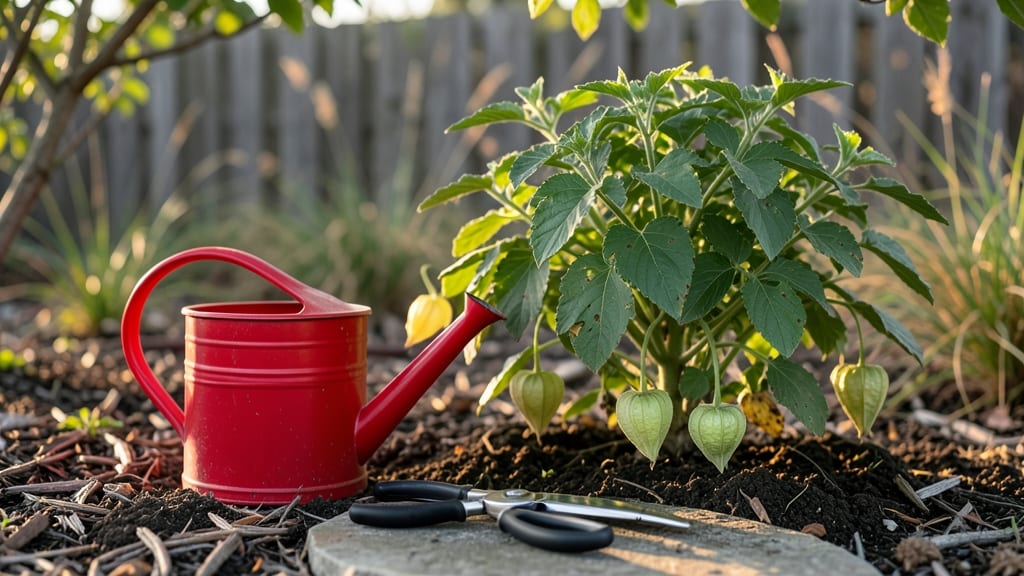
Tomatillo plant diseases can turn your harvest from tangy green pockets to sad, spotted husks before you know it. I’ve watched bacterial spot turn my tomatillos into a sad, crinkled mess—until I learned to spot the early signs and act fast.
The key is catching those first tiny brown specks or white powder before they spread. Most gardeners I know treat symptoms instead of stopping the problem at the source, and that’s where the real frustration starts.
These diseases thrive in warm, humid conditions—exactly when tomatillos are flowering and fruiting. Bacterial spot shows up as greasy brown spots with yellow halos, while powdery mildew coats leaves in a chalky white dust. The good news?
Organic fixes like neem oil, copper spray, and proper spacing can keep your plants fighting fit. I’ve used a simple mix of baking soda, water, and dish soap to stop mildew in its tracks, and it works faster than you’d think.
With the right prevention, you’ll end up with tomatillos that stay crisp, green, and full of flavor—no sad, shriveled husks in sight. Start with disease-resistant varieties, rotate crops yearly, and water at the base to keep leaves dry.
The payoff? A bumper crop of tomatillos that taste like summer in every salsa, not a sad, spotted disappointment.
Works for backyard gardens, container growers, and even those with limited space. Here’s how to keep your tomatillos thriving all season long.
Root Causes of Tomatillo Struggles
Tomatillo plants, with their delicate green husks and vibrant salsa potential, are surprisingly vulnerable to diseases that can turn your garden dreams sour. Understanding why these issues arise is the first step to prevention.
Below, we break down the key culprits—from microscopic invaders to environmental missteps—that weaken your tomatillos and invite trouble.
Fungal diseases like early blight (Alternaria solani) and gray mold (Botrytis cinerea) thrive when tomatillo leaves stay damp for too long. Here’s why:
- Poor air circulation: Dense planting or overcrowded foliage traps humidity, creating the perfect breeding ground for spores. Fungi spread via water droplets, splashing from soil to leaves during rain or overhead watering.
- Overwatering: Tomatillos prefer consistent moisture but not soggy soil. Excess water weakens roots, making plants more susceptible to fungal entry points like wounds or cracks in stems.
- Cool, wet weather: Temperatures between 60–75°F (15–24°C) with high humidity (above 70%) accelerate fungal growth. Nighttime dew or shaded areas worsen the problem.
💡 Pro Tip: Space plants 18–24 inches apart and water at the base in the morning to let foliage dry quickly. Mulch with straw to reduce soil splatter.
Bacterial diseases such as bacterial spot (Xanthomonas spp.) and bacterial canker exploit tiny openings in plant tissue. The triggers:
- Physical damage: Pruning tools, hail, or even insect bites create entry points. Bacteria hitchhike on contaminated tools or water, then multiply in warm (75–90°F / 24–32°C) and wet conditions.
- Poor sanitation: Infected plant debris left in soil or compost harbors bacteria year-round. Even wind or rain can spread them to healthy plants.
- Stress from extremes: Sudden temperature swings (e.g., hot days + cool nights) or drought stress weaken defenses, making tomatillos easier targets.
✨ Prevention Hack: Sterilize pruners with rubbing alcohol between cuts, and remove diseased leaves immediately (don’t compost them!). Avoid overhead irrigation.
Viruses like tomato mosaic virus (ToMV) or cucumber mosaic virus (CMV) don’t just appear—they hitch rides. The usual suspects:
- Sap-sucking insects: Aphids, whiteflies, and even beetles feed on infected plants, then transmit viruses to healthy ones via their mouthparts. One infected plant can ruin a whole patch.
- Contaminated tools/gardeners’ hands: Knives, gloves, or even your fingers can transfer viral particles from diseased to healthy plants if not cleaned properly.
- Seed-borne viruses: Some viruses (like ToMV) can lurk in seeds, emerging only when conditions are favorable (e.g., warm soil + high humidity).
🎯 Defense Strategy: Inspect new plants for mosaic patterns or stunted growth before transplanting. Use insect netting to block pests, and disinfect tools with a 10% bleach solution.
Tomatillos are tough, but they’re not drought-proof or heat-resistant. When conditions stray from their ideal range (65–85°F / 18–29°C), they become prime targets for diseases:
| Stressor | How It Weakens Plants | Disease Risk |
|---|---|---|
| Extreme heat (>95°F / 35°C) | Leaves scorch, roots dry out, and osmotic stress reduces nutrient uptake. | Fungal infections (e.g., Fusarium wilt) exploit weakened roots. |
| Prolonged drought | Stunted growth and cracked stems provide entry for bacteria/fungi. | Bacterial canker or Verticillium wilt spread faster. |
| Poor drainage | Waterlogged roots suffocate, leading to root rot (Phytophthora). | Fungi like Pythium thrive in anaerobic (oxygen-poor) soil. |
| Nutrient deficiencies (e.g., low calcium) | Weak cell walls make plants more vulnerable to pathogens. | Blossom-end rot and fungal infections increase. |
🔥 Fix It: Test soil pH (ideal: 6.0–7.0) and amend with compost. Use drip irrigation to avoid stress, and mulch to retain moisture without suffocating roots.
Now that you know the why, the next step is actionable fixes—but the best cure is always prevention! 🌱
Quick Fixes for Tomatillo Plant Troubles
When your tomatillos show signs of distress, acting fast can save your harvest! Below are practical, organic solutions tailored to the most common diseases, along with prevention tips to keep your plants thriving. Think of this as your emergency first-aid kit for tomatillo gardens—no fancy tools or chemicals required.
Fungal diseases like early blight, late blight, powdery mildew, and root rot thrive in damp, crowded conditions. Here’s how to stop the spread and revive your plants:
🔥 Treat Early Blight & Late Blight
- Prune the Problem Areas
- Use sterilized pruners (wipe with rubbing alcohol) to remove and destroy infected leaves and stems. Never compost them—burn or trash them instead.
- Focus on lower leaves first, as blight often starts there.
- Boost Airflow & Light
- Space plants 18–24 inches apart and stake them to prevent foliage from touching the soil.
- Thin out crowded vines to improve airflow—fungi love stagnant, humid air.
- Copper Spray (Organic Fungicide)
- Mix 1 tbsp baking soda + 1 tsp dish soap + 1 quart water or use a store-bought copper fungicide.
- Spray early in the morning on both sides of leaves, focusing on undersides where spores hide.
- Reapply every 7–10 days until new growth appears.
- Soil & Mulch Fix
- Remove old mulch (it traps moisture) and replace with straw or shredded leaves (keep 2–3 inches away from stems).
- Avoid overhead watering—use a drip irrigation system or water at the base in the early morning.
🌡️ Stop Powdery Mildew in Its Tracks 1. Neem Oil Spray (Best Organic Cure) - Mix 1 tbsp neem oil + 1 tsp mild castile soap + 1 quart water.
Shake well and spray until leaves glisten. - Apply in the evening to avoid burning plants in sunlight. - Repeat every 5–7 days until mildew disappears.
- Baking Soda Remedy (Cheap & Effective)
- 1 tbsp baking soda + 1 quart water + 1 tsp horticultural oil or soap.
- Spray directly on mildew spots—it raises the leaf pH, making it inhospitable for fungi.
- Prevent Future Outbreaks
- Plant resistant varieties like ‘Purple de Milpa’ if mildew is recurrent.
- Rotate crops—don’t plant tomatillos in the same spot year after year.
💡 Root Rot Rescue
- Drainage First!
- Check your pots or soil: If water pools after 30 minutes, you’ve got poor drainage.
- Amend soil with perlite, sand, or compost (50/50 mix) to improve aeration.
- For container plants, add extra drainage holes if needed.
- Trim the Damage
- Gently remove the plant from the soil and trim black, mushy roots with sterilized scissors.
- Dip healthy roots in a fungicide (like mycorrhizal powder) before replanting.
- Dry Out the Soil
- Pause watering for 3–5 days to let roots recover.
- Move potted plants to a shady spot until new roots form.
Tomatillos can also fall prey to bacterial spot, bacterial wilt, and sap-sucking pests like aphids and whiteflies. Here’s how to kick them out for good.
🍳 Bacterial Spot & Wilt Treatment
- Remove Infected Plants Immediately
- Pull up and destroy any plants showing yellowing, wilting, or oozing lesions—bacteria spread fast!
- Sterilize tools between cuts to avoid cross-contamination.
- Soil Sterilization
- Solarize the soil: Cover beds with clear plastic for 4–6 weeks in hot sun to kill bacteria.
- Add compost or aged manure to improve soil health and reduce bacterial buildup.
- Preventative Sprays
- Copper fungicide (same as for blight) can prevent bacterial spread—use as a preemptive measure in humid climates.
👨🍳 Pest Control: Aphids & Whiteflies
- Blast Them Off
- Spray plants with a strong jet of water (aphids hate this!) 2–3 times a week.
- Use a homemade insecticidal soap: 1 tbsp castile soap + 1 quart water. Spray directly on pests.
- Introduce Beneficial Insects
- Ladybugs, lacewings, or parasitic wasps (available at garden centers) devour aphids naturally.
- Plant companion crops like marigolds or basil to repel pests.
- Yellow Sticky Traps
- Hang yellow cards coated in petroleum jelly near plants to catch whiteflies and aphids.
Once you’ve treated the problem, stop it from coming back with these long-term strategies:
- 💡 Rotate Crops: Never plant tomatillos (or nightshades like peppers/tomatoes) in the same spot two years in a row.
- 🌡️ Water Wisely: Deep watering at the base (not overhead) reduces fungal spores in the air.
- ✨ Soil Health: Test your soil (pH 6.0–7.0 is ideal for tomatillos) and add compost yearly.
- 🎯 Resistant Varieties: Choose disease-resistant strains like ‘Green de Milpa’ if your area is prone to blight.
- 🔪 Clean Up Debris: Remove fallen leaves and fruit to eliminate hiding spots for pests and fungi.
Final Pro Tip: 🌿 Healthy plants fight disease better! Ensure your tomatillos get full sun (6+ hours/day), rich soil, and proper spacing—this cuts down on stress, making them less vulnerable to invaders.
Now grab your spray bottle and get those tomatillos back to their sassy, disease-free selves! 🌱💪
Frequently asked questions
What are the first signs of fungal infections on tomatillo plants?
Look for white powdery coatings (powdery mildew) or greasy brown spots with yellow halos (early blight). These often appear on lower leaves first, especially in humid conditions. Act fast by pruning infected areas and applying neem oil or copper spray.
Can I still harvest tomatillos from plants with bacterial spot?
No, you should remove and destroy infected plants immediately. Bacterial spot spreads rapidly, and contaminated fruit can harbor bacteria. Always sterilize tools between cuts to prevent cross-contamination to healthy plants.
How do I prevent root rot in container-grown tomatillos?
Ensure pots have drainage holes and use a well-draining soil mix (50% compost + 50% perlite). Water only when the top 1 inch of soil is dry, and avoid letting plants sit in saucers of water.
Are there disease-resistant tomatillo varieties?
Yes! Varieties like 'Purple de Milpa' or 'Green de Milpa' show better resistance to mildew and blight. Check seed packets for disease-resistant labels, especially if your area has a history of fungal issues.
What’s the best time of day to spray for pests or diseases?
Spray early morning (before 9 AM) or late evening (after 6 PM) to avoid burning leaves in direct sunlight. This also allows treatments to dry before humidity peaks, reducing fungal growth.