How To
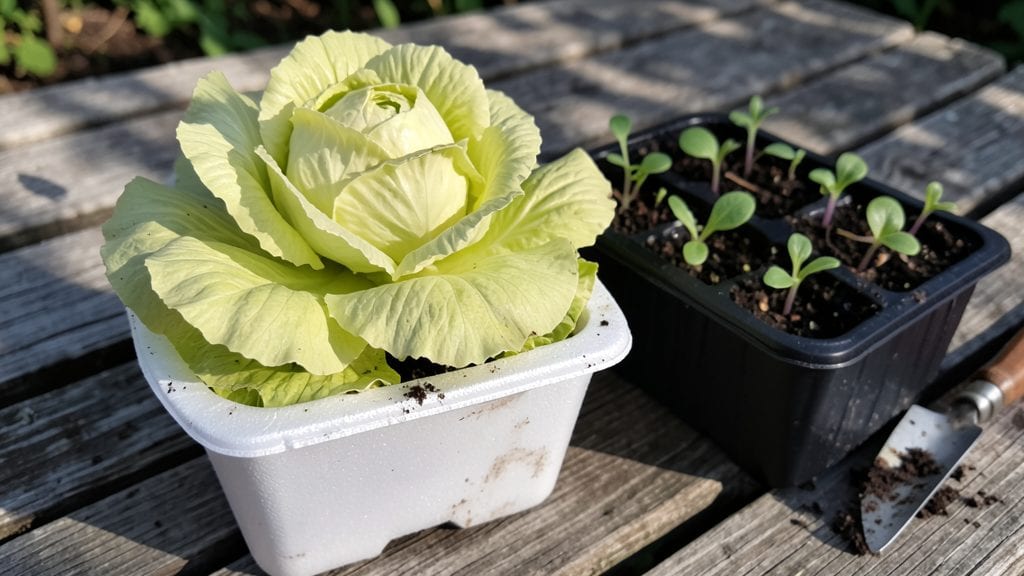
Using styrofoam for planting raises concerns due to its non-biodegradable nature and potential chemical leaching, though it can temporarily protect roots and retain moisture when no safer alternatives exist. Always opt for biodegradable pots or natural materials like coconut coir when possible.
Styrofoam containers might seem convenient for seedlings, but their long-term impact on soil health and ecosystems is a major drawback. 🌱 The material breaks down into microplastics that linger for centuries, and the styrene chemicals can seep into root zones, potentially harming plant growth over time.
While it does hold moisture well, safer options like coconut coir pots offer similar benefits without the environmental cost.
When choosing alternatives, consider your plants' needs and your sustainability goals. For instance, coconut coir pots decompose naturally and provide excellent aeration, while hemp fiber trays are durable and compostable. Even simple paper seedling trays work well for short-term use before transplanting.
💡 In This Article
- Risks of Styrofoam in Plant Growth
- Best Biodegradable Alternatives to Styrofoam
Risks of styrofoam in plant growth
Styrofoam, or polystyrene, takes 500 years or more to decompose in landfills, breaking down into toxic microplastics that contaminate soil and water systems. The material's chemical structure releases styrene—a known carcinogen—when exposed to heat or organic decomposition.
Studies show that even small amounts of styrene can inhibit root growth in plants by disrupting cellular respiration, reducing oxygen uptake by up to 30% in affected soil. 🌱
The moisture retention styrofoam provides comes at a cost: its closed-cell structure prevents proper drainage, leading to waterlogged roots and fungal growth.
While it holds 90-95% humidity for extended periods, safer alternatives like peat moss or hemp fiber achieve similar moisture levels (85-90%) while allowing excess water to escape. Peat moss, for example, maintains moisture through capillary action rather than trapping it, creating a healthier root environment.
Environmentally, styrofoam's breakdown releases harmful byproducts that persist in ecosystems. Microplastics from degraded styrofoam have been found in 90% of tested soil samples near urban areas, where they accumulate in plant tissues. This contamination enters the food chain when plants are harvested or consumed by animals.
The material also disrupts soil microbiomes by altering pH levels and nutrient availability, making it particularly damaging in organic gardening systems. 🌍
Health risks extend beyond the environment. Styrofoam's styrene leaching can contaminate edible plants grown in affected soil, posing risks to both humans and animals. The EPA classifies styrene as a likely human carcinogen, with long-term exposure linked to liver, kidney, and respiratory issues.
Unlike natural materials that decompose into harmless components, polystyrene leaves behind persistent chemical residues that can linger for generations.
Even when used for short-term seedling protection, styrofoam's drawbacks often outweigh its benefits. The material's poor insulation properties mean seedlings may experience temperature fluctuations that stress young roots.
In contrast, biodegradable pots like coconut coir maintain stable microclimates while providing the same protective barrier against physical damage during early growth stages. 🌿
Consider this comparison: a 3-inch styrofoam pot may cost $0.10 but contributes to 20 pounds of landfill waste per cubic yard. A comparable coconut coir pot costs $0.25 but decomposes completely in 3-6 months while enriching soil with potassium and magnesium.
The environmental trade-off becomes clear when scaled to large garden operations or community planting initiatives.