Plants
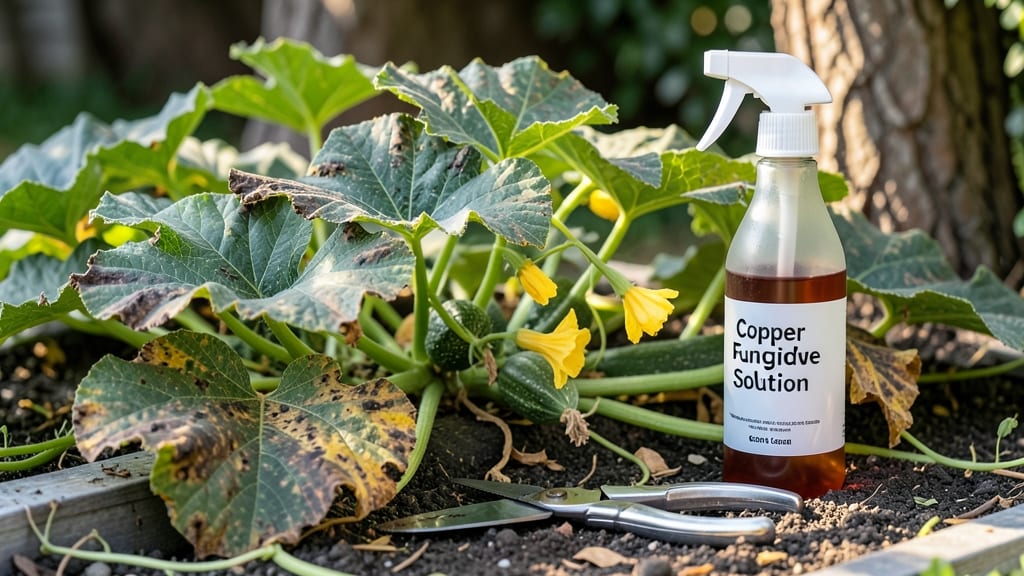
When your squash leaves start yellowing overnight and wilting like a sad houseplant, you're staring down squash plant blight—and the good news is, you can still save your crop if you act fast. 🌱 I've watched this fungal menace turn healthy vines into crispy messes, but I've also learned the exact steps to stop it in its tracks before it spreads.
The problem usually starts with too much moisture—either from overhead watering or poor air circulation—and fungal spores like Phytophthora or Pseudoperonospora move in like uninvited guests. You'll spot greasy yellow spots on leaves that turn brown and crispy, or a fuzzy white mold if the humidity's high.
The key is catching it early, before the blight reaches the fruit.
With the right mix of prevention (resistant varieties, proper spacing) and organic treatments (copper sprays, neem oil, or baking soda solutions), you can turn things around. I've revived plants that looked doomed in just a week by removing infected leaves and improving airflow.
The goal isn't just to treat the symptoms—it's to break the cycle so next season's squash stays blight-free.
This works for both zucchini and pumpkins, and the methods adapt to container gardens or large plots. Let's get those vines healthy again—your harvest depends on it.
Root Causes Of Plant Decay
Squash plant blight—whether caused by Phytophthora, Pseudomonas, or fungal pathogens—rarely strikes without warning. Understanding the why behind its onset is the first step to preventing it. Below, we break down the key triggers that turn a thriving squash patch into a battleground for disease.
Blight thrives in excess moisture, whether from heavy rain, poor drainage, or overhead watering. Fungal spores and waterborne bacteria like Phytophthora capsici (the culprit behind squash blight) need a damp environment to germinate and infect leaves, stems, and fruit.
- Why it happens: Prolonged leaf wetness (over 12 hours) creates the perfect breeding ground for pathogens. Poor air circulation in dense plantings traps humidity, accelerating infection.
- Actionable fix:
- Space plants 3–4 feet apart for airflow.
- Avoid watering in the evening; opt for drip irrigation at soil level.
- Use mulch (straw or shredded leaves) to absorb excess moisture while keeping roots dry.
Stressed squash plants—whether from nutrient deficiencies, physical damage, or transplant shock—are prime targets for blight. A healthy plant’s cuticle and natural defenses repel pathogens, but when compromised, infections take hold fast.
- Why it happens:
- Nitrogen deficiency weakens cell walls, making plants more susceptible to fungal entry.
- Herbicide drift or mechanical injury (e.g., rough handling during harvest) creates open wounds.
- Overcrowding competes for resources, stunting growth and reducing disease resistance.
- Actionable fix:
- Test soil pH (6.0–6.8) and amend with compost or balanced fertilizer (e.g., 5-5-5).
- Rotate crops annually to deplete pathogen buildup in the soil.
- Hardening off seedlings gradually before transplanting to reduce shock.
Blight pathogens persist in the soil for years, lying dormant until conditions favor their return. Reusing infested tools, compost, or planting in the same spot without rotation can reintroduce the problem season after season.
- Why it happens:
- Phytophthora spores survive in waterlogged soil for up to 5 years.
- Pruners, shovels, or gloves contaminated with infected plant debris spread pathogens to healthy plants.
- Using untreated manure or compost from infected plants can reintroduce pathogens.
- Actionable fix:
- Solarize soil in late summer (clear plastic sheets for 4–6 weeks) to kill pathogens.
- Disinfect tools with 10% bleach solution or 70% rubbing alcohol between uses.
- Plant resistant varieties (e.g., 'Defender' or 'Gold Rush') in affected beds.
Blight outbreaks often follow unpredictable weather shifts, such as sudden downpours after a dry spell or cool, damp mornings. These conditions disrupt the plant’s natural defenses and create ideal spore dispersal conditions.
- Why it happens:
- Temperature swings (60–85°F) weaken plant resilience, while high humidity (>75%) encourages spore germination.
- Wind or rain splashes spores from infected debris onto healthy foliage.
- Actionable fix:
- Monitor weather forecasts and cover plants with row fabric during rain if blight is active.
- Prune lower leaves to improve airflow and reduce humidity near the canopy.
- Plant early-season varieties to harvest before peak blight risk (late summer).
💡 Pro Tip: Keep a disease journal to track when and where blight appears. Note weather patterns, soil conditions, and plant responses to refine your prevention strategy year after year.
Quick Fixes for Fungal Foes
When your squash plants show signs of blight, acting fast is key to saving your harvest. Below are practical, organic solutions tailored to the most common causes—from fungal infections to environmental stress. Each fix includes step-by-step instructions and prevention tips to keep your squash thriving.
---
Cause: Phytophthora, downy mildew, or powdery mildew spreading via spores or contaminated tools.
How to Treat It: 1. 🔥 Remove Infected Leaves - Snip off yellowing, spotted, or wilting leaves with clean pruners (sterilize with rubbing alcohol between cuts). - Dispose of them in the trash (not compost)—fungal spores can survive in soil.
2. 🍳 Spray with Baking Soda Fungicide - Mix 1 tsp baking soda + 1 quart water + a few drops of dish soap (soapy water helps the solution stick). - Spray both sides of leaves in the early morning or evening (avoid direct sunlight, which can burn foliage). - Reapply every 7–10 days until new growth appears.
3. 👨🍳 Boost Airflow - Prune crowded vines to improve circulation—fungi thrive in damp, stagnant air. - Space plants 3–4 feet apart (if replanting) and stake vines to keep them off the ground.
💡 Prevention Tip: - Rotate crops—avoid planting squash (or cucurbits) in the same spot for 3+ years to break fungal cycles. - Mulch with straw, not wood chips (which can harbor moisture-loving pathogens).
---
Cause: Root rot or blight from soggy soil due to overwatering, poor drainage, or heavy rain.
How to Treat It: 1. ⏰ Pause Watering Immediately - Let the top 2 inches of soil dry out before watering again. - Water deeply but less often—squash prefers 1–1.5 inches per week (check with your finger).
2. 🔪 Improve Drainage - Amend soil with compost or perlite to loosen heavy clay. - Raise beds if your garden floods easily, or plant on mounds for better airflow to roots.
3. 🌧️ Protect from Rain - Use row covers during forecasted downpours to keep leaves dry. - Water at the base (not overhead) to reduce leaf wetness.
💡 Prevention Tip: - Test your soil’s drainage—dig a hole, fill it with water, and time how long it takes to drain. If it’s slower than 4–6 hours, amend the soil.
---
Cause: Weakened immunity from nutrient deficiencies, pests, or sudden temperature swings.
How to Treat It: 1. 💪 Feed with Organic Fertilizer - Use a balanced organic fertilizer (like 5-5-5) or compost tea to boost immunity. - Avoid nitrogen-heavy feeds (like fresh manure)—they promote leafy growth but weaken disease resistance.
2. 🍎 Combat Pests First - Handpick squash bugs (look for flat, brown eggs under leaves) or spray with neem oil (1 tbsp per gallon of water). - Encourage beneficial insects like ladybugs and lacewings by planting dill or marigolds nearby.
3. 🌡️ Adjust Growing Conditions - Squash loves warmth—plant after the last frost and use black plastic mulch to warm soil. - Avoid late-night watering—wet leaves overnight invite fungal growth.
💡 Prevention Tip: - Hardening off seedlings gradually (exposing them to outdoor conditions over 7–10 days) reduces shock when transplanting.
--- If blight persists, try these stronger organic remedies:
| Remedy | How to Use | Frequency | |--------------------------|---------------------------------------------------------------------------------|-----------------------------| | Copper Fungicide | Mix 1 tbsp copper sulfate per gallon of water (or use a ready-made spray). | Every 10–14 days | | Garlic & Chili Spray | Blend 2 garlic cloves + 1 tbsp cayenne pepper + 1 quart water, strain, and spray. | Every 5–7 days | | Hydrogen Peroxide | Use 1 tbsp 3% H₂O₂ per quart of water (test on a small leaf first). | Every 7 days |
⚠️ Warning: Always test sprays on a few leaves first to avoid burning tender foliage.
--- To prevent future outbreaks, combine these habits: - Crop rotation (never plant squash in the same spot yearly). - Solarize soil in late summer (cover with clear plastic for 4–6 weeks to kill pathogens). - Choose resistant varieties like ‘Butternut’ or ‘Acorn’ squash, which tolerate blight better.
--- Remember: Early action is your best tool. Check plants weekly for spots or wilting, and act at the first sign—most blights are easier to stop than to cure! 🚀
Frequently asked questions about squash plant decay
What do early signs of squash blight look like?
Start by checking for yellowing leaves with greasy, brown spots that spread quickly. You might also see a fuzzy white or gray mold on the undersides of leaves, especially in humid conditions. The key is to act fast—once the disease reaches the stems or fruit, recovery becomes much harder.
Can I still harvest squash if the leaves have blight?
Yes, but only if the fruit itself is healthy. Remove all infected leaves immediately and dispose of them in the trash (not compost). The plant can still produce edible squash as long as the vines and fruit show no signs of decay. Focus on improving airflow and reducing moisture to protect future growth.
How often should I spray organic fungicides for blight prevention?
For best results, apply baking soda or neem oil sprays every 7–10 days during peak growing season (spring to early fall). Start treatments when plants are young and healthy to build resistance. Copper fungicides can be used every 10–14 days if blight is already present, but always test on a small leaf first to avoid burning.
Will crop rotation really help stop squash blight?
Rotating crops—especially avoiding squash family plants (like pumpkins or cucumbers) in the same spot for 3+ years—breaks the fungal cycle. Pathogens like Phytophthora survive in soil for years, so this simple step can drastically reduce future outbreaks. Pair it with solarizing your soil in late summer for even better results.
What’s the fastest way to dry out soggy soil if my squash is rotting?
Stop watering immediately and let the top 2 inches of soil dry completely before resuming. Use a soil probe or your finger to check moisture levels. Improve drainage by amending the soil with compost or perlite, and consider raising beds or planting on mounds if your garden floods easily.