Plants
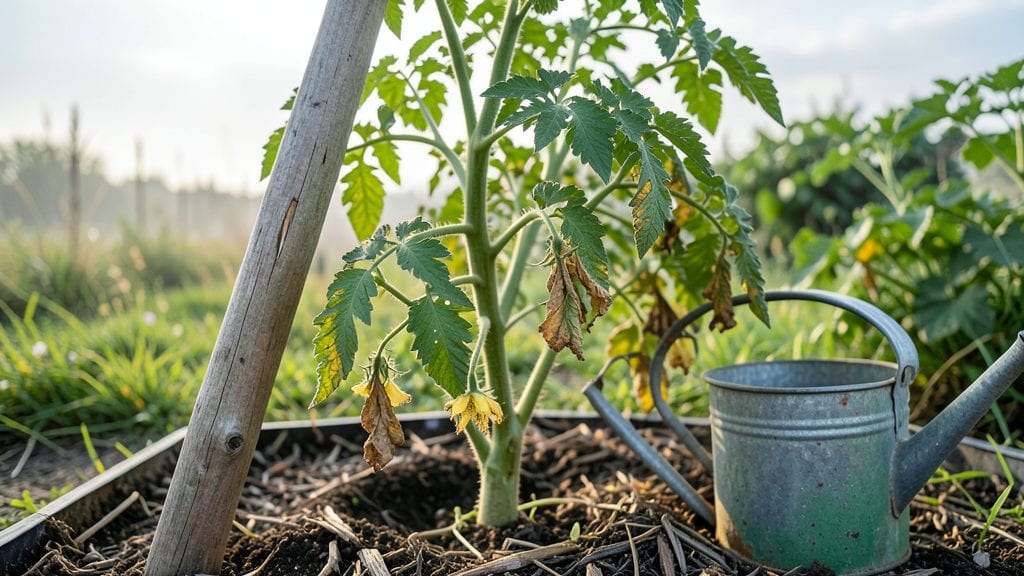
Your sad tomato plant might just need a few targeted fixes to bounce back stronger. 🌱 I’ve nursed back more than my share of droopy, yellowing, or fruitless tomato plants—and the key is always root health first.
Whether it’s underwatering, disease, or nutrient starvation, the solution starts with understanding what’s really going wrong below the soil line.
The most common culprits are easy to spot once you know what to look for: crispy leaves mean thirsty roots, while mushy stems signal rot. Nutrient deficiencies show up as yellowing between veins (nitrogen) or purple stems (phosphorus), and pests like aphids or whiteflies leave sticky residue.
The good news? Each problem has a specific fix—from adjusting watering routines to applying targeted fertilizers or organic sprays.
By the end of this, your tomato plant won’t just survive—it’ll thrive with deep green leaves, strong stems, and heavy fruit sets. The best part?
You’ll catch early warning signs next time and prevent another sad plant crisis. Let’s turn that wilting mess into a productive powerhouse before the season’s over.
Works for container tomatoes, in-ground plants, and even balcony growers—no fancy tools required. Here’s how to diagnose and revive yours in under 30 minutes.
Root Causes of a Wilted Tomato
When your tomato plant looks sad—droopy, yellowing, or stunted—it’s often a cry for help from its roots. Understanding the why behind the wilting is the first step to revival.
Below, we break down the most common culprits, backed by science, so you can diagnose and fix the issue before it’s too late.
Tomatoes thrive on consistency, but too much love in the form of water can drown their roots. Overwatering suffocates roots by cutting off oxygen, leading to root rot (often caused by Phytophthora or Pythium fungi).
Poor drainage—whether from compacted soil, clay pots, or no drainage holes—traps excess moisture, creating the perfect breeding ground for rot.
How to spot it:
- Yellowing leaves (especially lower ones)
- Mushy, black, or foul-smelling roots
- Wilting that doesn’t improve even after watering
Science behind it: Roots need aeration to absorb water and nutrients efficiently. When soil stays soggy for more than 24–48 hours, roots suffocate, and beneficial microbes die off. The plant can’t uptake water, so leaves wilt despite wet soil.
On the flip side, tomatoes are drought-tolerant but hate consistent dryness. When soil dries out completely, roots shrink and pull away from the soil, reducing their ability to absorb water. High temperatures (above 90°F/32°C) also cause transpiration stress, where leaves lose water faster than roots can replenish it.
How to spot it:
- Crispy, brown leaf edges
- Wilting that worsens in the afternoon
- Soil pulling away from pot edges (in containers)
Science behind it: Tomatoes have a shallow root system that relies on capillary action to pull moisture upward. When the top inch of soil dries out, roots struggle to keep up, leading to physiological drought. Heat accelerates this by increasing evaporation rates.
Tomatoes are heavy feeders, and a lack of key nutrients—especially nitrogen, potassium, or magnesium—can leave them looking sad. Deficiencies weaken roots, reducing their ability to support the plant. Over-fertilizing (especially with synthetic salts) can also burn roots, making them unable to absorb water.
How to spot it:
| Nutrient Deficiency | Symptoms | Root Impact |
|---|---|---|
| Nitrogen (N) | Yellowing lower leaves (oldest first) | Weak root growth, stunted development |
| Potassium (K) | Brown leaf edges, weak stems | Reduced root vigor, susceptibility to disease |
| Magnesium (Mg) | Interveinal yellowing (between veins) | Impaired nutrient uptake, root stress |
| Phosphorus (P) | Purple stems/leaves, slow growth | Poor root development, delayed recovery |
Science behind it: Roots absorb nutrients through active transport, a process that requires energy. Deficiencies disrupt this, leading to secondary stress. Over-fertilizing, however, increases soil salinity, which osmotically stresses roots, making it harder for them to absorb water.
Hidden pests like root-knot nematodes, Fusarium wilt fungi, or even aphids feeding on roots can cripple your tomato’s ability to uptake water. Nematodes create galls on roots, reducing surface area for absorption, while fungal infections block water-conducting vessels (xylem).
How to spot it:
- Stunted growth despite proper care
- Roots with knots, lesions, or discoloration
- Wilting that spreads rapidly (especially in fungal infections)
Science behind it: Nematodes and fungi physically damage root cells, disrupting the plant’s hydraulic conductivity. Even a small infection can reduce water absorption by 50% or more, causing wilting even when soil is moist.
Tomatoes prefer warm but not scorching conditions (60–85°F/15–29°C). Extreme heat or cold shocks roots, slowing nutrient uptake. Similarly, soil pH outside the ideal range (6.0–6.8) locks out essential nutrients like phosphorus and iron, starving roots.
How to spot it:
- Wilting after sudden temperature drops (e.g., overnight frost)
- Slow recovery even after adjusting water
- Yellowing leaves with green veins (pH-related deficiency)
Science behind it: Roots rely on enzymatic activity to absorb nutrients, which slows in cold soil (<40°F/4°C) or extreme heat (>95°F/35°C). pH affects nutrient solubility—too acidic (<5.5) or alkaline (>7.5) makes nutrients unavailable, leading to hidden hunger.
Revive Your Tomato Plant Now
A drooping tomato plant can feel like a heartbreaking setback, but with the right care, you can often bring it back to life. The key is identifying the root cause (literally and figuratively!) and taking targeted action.
Below, we’ve mapped out practical solutions for the most common issues—plus prevention tips to keep your plants thriving long-term.
Fix: Tomatoes are thirsty but hate soggy roots. If your plant looks limp and the soil feels muddy or bone-dry, adjust your watering habits immediately.
- 🔥 Drain the Damage: If overwatered, stop watering for 3–5 days to let the soil dry out.
Place the pot in a shallow tray of water for 10–15 minutes to rehydrate roots gently if underwatered. - 👨🍳 Improve Drainage: Add perlite or coarse sand to heavy soil to prevent compaction.
Ensure pots have drainage holes. - 🥘 Water Wisely: Water deeply at the base (not the leaves) in the morning, and aim for 1–1.5 inches of water per week. Mulch with straw to retain moisture.
💡 Prevention Tip: Use your finger to check soil moisture 1–2 inches down—if it’s damp, wait. If it’s dry, water. Consistency is key!
Fix: Yellowing leaves or crispy edges? Your tomatoes might be getting too much sun, especially in scorching afternoons.
- 🌡️ Shade Relief: Move potted plants to partial shade (4–6 hours of sun) during peak heat (11 AM–3 PM). Use shade cloth (30–50%) for garden plants. - 🎯 Hydrate Heavily: Water more frequently during heatwaves, focusing on the roots.
A 5-gallon bucket of water per plant can help. - 🥗 Protect Leaves: Avoid overhead watering to prevent sunburn. Prune lower leaves to improve airflow and reduce heat exposure.
💡 Prevention Tip: Hardening off seedlings gradually (exposing them to sunlight in stages) prevents shock when transitioning to full sun.
Fix: Dark spots, mushy stems, or white fuzz? Fungal diseases like blight or bacterial infections can spread quickly.
- ✨ Clean Up Act: Remove infected leaves/stems immediately with sterilized pruners (wipe with rubbing alcohol). Dispose of debris in the trash, not compost. - 🔪 Fungicide Boost: Spray with a mix of 1 tsp baking soda + 1 quart water + a few drops of dish soap (reapply weekly).
For severe cases, use a copper-based fungicide. - 🌿 Improve Airflow: Prune crowded foliage and space plants 18–24 inches apart. Avoid overhead watering.
💡 Prevention Tip: Rotate crops yearly and practice 3-year plant family rotation to prevent soil-borne diseases.
Fix: Yellowing leaves (especially lower ones) or stunted growth? Your tomatoes might be hungry or suffocating in poor soil.
- 📊 Soil Test: Grab a DIY soil test kit (or send a sample to a local extension office) to check pH (ideal: 6.0–6.8) and nutrient levels. - 💪 Fertilize Right: Use a balanced fertilizer (10-10-10) at planting, then switch to a low-nitrogen, high-phosphorus (5-10-10) formula when flowers appear.
Avoid high-nitrogen feeds—they promote leaves over fruit! - 🍎 Boost Organic Matter: Mix in compost or worm castings (1–2 inches) around the base. For potted plants, repot with fresh, well-draining potting mix.
💡 Prevention Tip: Side-dress with compost mid-season (when plants are 12 inches tall) for a slow-release nutrient boost.
Fix: If your potted tomato plant is wilting despite proper watering, its roots may have outgrown the container.
- 🔪 Upgrade the Pot: Choose a container 2–3 inches larger in diameter with drainage holes.
Gently remove the plant, loosen roots, and repot in fresh soil. - 🌿 Root Pruning: If roots are circling, trim the outer 1–2 inches to encourage outward growth. - 🥘 Feed After Repotting: Wait 1–2 weeks before fertilizing to avoid root burn.
💡 Prevention Tip: Repot every 1–2 years or when roots emerge from drainage holes.
With these targeted fixes, your tomato plant should perk up within 3–7 days. Monitor progress and adjust care as needed—patience and consistency are your best tools! For persistent issues, consider consulting a local gardening expert or extension service.
Frequently asked questions about reviving your tomato plant
Why do my tomato leaves turn yellow first on the lower stems?
Yellowing lower leaves usually signal nitrogen deficiency or root stress. Since older leaves use up nutrients first, they yellow when the plant can't supply enough. Check if your soil is too wet (root rot) or too dry (underwatering). A balanced fertilizer or compost can help restore green growth within 1-2 weeks.
Can I save a tomato plant with black, mushy stems?
Black, mushy stems indicate bacterial or fungal wilt, often from overwatering or poor drainage. Unfortunately, these infections are usually fatal. Remove the plant immediately to prevent spreading. For future plants, use sterilized soil and ensure pots have drainage holes. Copper fungicide can prevent spread in nearby plants.
How often should I water my tomato plant in hot weather?
In heatwaves, water deeply every 2-3 days (1-1.5 inches total) rather than daily shallow watering. Check soil moisture 1-2 inches down—if dry, water thoroughly. Mulch with straw to retain moisture and prevent soil temperature spikes. Avoid wetting leaves to reduce disease risk.
What's the best fertilizer for reviving a sad tomato plant?
Use a low-nitrogen, high-phosphorus (5-10-10) fertilizer to encourage root recovery and flowering. For organic options, try compost tea or fish emulsion. Apply only after watering to prevent root burn. Stop fertilizing if you see new yellowing—this may indicate overfeeding.
Is it too late to revive a tomato plant with no leaves?
If the stems are still firm and green, there's hope! Prune back any dead growth and focus on root health. Water consistently, improve drainage, and apply a balanced fertilizer. New leaves may appear in 2-4 weeks. If stems are hollow or black, the plant is likely beyond saving.