Diseases
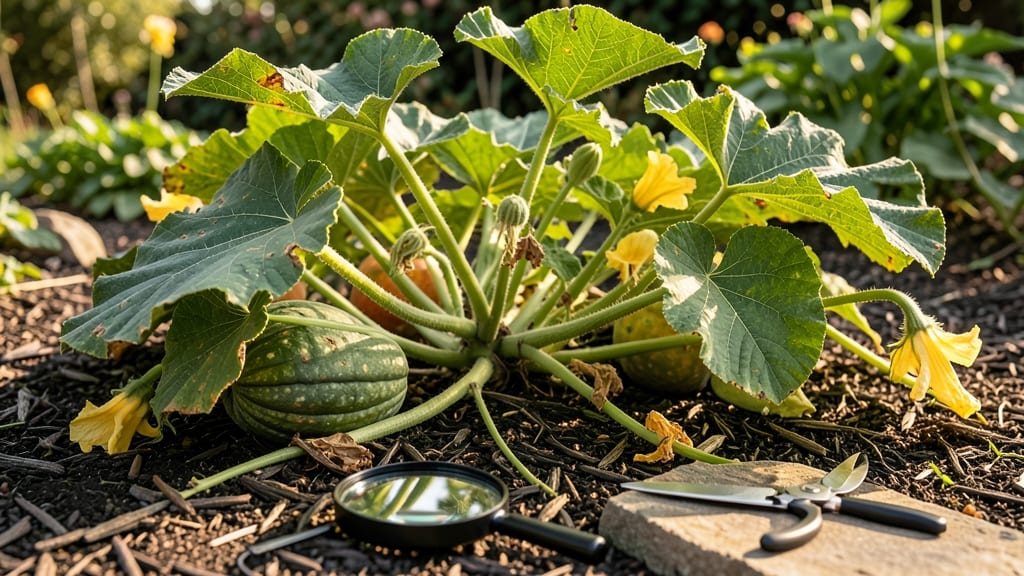
Pumpkin plant diseases can turn your lush vines into a sad, wilted mess before you even see the fruit. 🌱 I’ve lost entire patches to fungal infections, and the worst part?
Most of these threats start with tiny, easy-to-miss signs—until it’s too late. The key is catching them early, when a simple spray or tweak in care can save your harvest.
Powdery mildew, downy mildew, and bacterial wilt are the usual suspects, each leaving behind telltale clues like white fuzzy patches, yellowing leaves, or oozing stems. These diseases thrive in warm, humid conditions, so spacing plants properly and watering at the base (not overhead) cuts their chances in half.
I’ve found that copper fungicide sprays work like magic on early-stage infections—just mix it with water and apply when the first spots appear.
With the right prevention, you’ll keep your pumpkins thriving until harvest. Healthy plants develop thick, disease-resistant leaves, and the vines stay strong enough to support those 20-pound gourds.
The secret? Rotate crops yearly, remove infected leaves immediately, and choose resistant varieties like ‘Howden’ or ‘Jackpot’ if your area is prone to outbreaks.
Even experienced growers miss the early warnings—so don’t wait until the leaves are crispy. A quick check every few days during humid weather can mean the difference between a bumper crop and a total loss. Let’s get your pumpkins back on track before the season slips away.
Root Causes Of Pumpkin Plant Diseases
Pumpkin plant diseases don’t just appear out of thin air—they’re usually the result of a mix of environmental stress, poor growing conditions, and microbial invaders. Understanding why these diseases take hold is the first step to preventing them.
Let’s break down the key factors that create the perfect storm for fungal infections in your pumpkin patch.
Fungal pathogens like Phytophthora and Fusarium thrive in warm, damp environments—think of them as the pumpkin plant’s worst nightmare. When temperatures hover between 70–85°F (21–29°C) and humidity stays high (especially above 80%), spores germinate rapidly.
- Why it happens:
- Excess moisture on leaves (from rain, dew, or poor airflow) creates a breeding ground for fungi.
- Slow-drying foliage (common in dense plantings) traps water, giving pathogens direct access to plant tissues.
- Heat stress weakens pumpkin vines, making them more susceptible to infection.
Actionable fix: 💡 Space plants 3–5 feet apart to improve airflow. 💡 Water at soil level (avoid overhead sprinkling) and early in the day so leaves dry quickly. 💡 Use row covers during rainy spells to shield plants without suffocating them.
Pumpkins need consistent moisture, but overwatering or irregular watering can drown roots or create stress cracks—both of which invite fungal invaders like Pythium or Powdery Mildew.
- Why it happens:
- Waterlogged soil cuts off oxygen to roots, weakening the plant’s immune response.
- Fluctuating moisture levels cause cracked stems (entry points for Alternaria or Cercospora).
- Splashing water from heavy rain or poor irrigation spreads spores from soil to leaves.
Actionable fix: 💡 Install drip irrigation to deliver water directly to roots without wetting foliage. 💡 Test soil drainage—amend clay soil with compost or sand to prevent soggy conditions. 💡 Mulch with straw (2–3 inches deep) to retain even moisture and block spore splash.
Fungal spores can survive in soil for years, lying dormant until conditions are right. If you’ve grown pumpkins (or other cucurbits like squash or melons) in the same spot repeatedly, you’re rolling the dice with soil-borne diseases like Phytophthora blight or Fusarium wilt.
- Why it happens:
- Leftover plant matter (vines, leaves) rots in the soil, releasing spores back into the environment.
- Poor crop rotation leaves pathogens unchecked, as they target the same family (Cucurbitaceae).
- Infected compost or manure can introduce spores if not properly sterilized.
Actionable fix: 💡 Rotate crops—wait 3–4 years before planting pumpkins in the same spot. 💡 Solarize soil in late summer: Cover beds with clear plastic for 4–6 weeks to kill pathogens. 💡 Use disease-free seeds and sterilized potting mix if starting indoors.
A pumpkin plant that’s starving for nitrogen, potassium, or magnesium can’t fight off infections. Deficiencies stress the plant, making it an easy target for fungal attacks like Downy Mildew or White Mold.
- Why it happens:
- Nitrogen deficiency (yellowing leaves) reduces chlorophyll, weakening the plant’s defenses.
- Potassium deficiency (brown leaf edges) impairs cell wall strength, making tissues more vulnerable.
- Over-fertilizing with phosphorus can disrupt the soil microbiome, favoring harmful fungi.
Actionable fix: 💡 Test soil pH (aim for 6.0–6.8)—fungi thrive in acidic or alkaline extremes. 💡 Feed with balanced fertilizer (e.g., 10-10-10) at planting, then side-dress with compost mid-season. 💡 Avoid fresh manure near harvest—it can introduce pathogens and burn roots.
Insects like cucumber beetles, squash vine borers, or aphids don’t just eat pumpkin leaves—they chew wounds that serve as perfect entry points for fungi. Powdery Mildew, for example, often follows aphid infestations.
- Why it happens:
- Beetle feeding disrupts the waxy cuticle, making leaves prone to infection.
- Borer larvae tunnel into stems, creating internal rot pathways for Fusarium.
- Aphid honeydew (sticky residue) promotes sooty mold, which blocks sunlight and stresses plants.
Actionable fix: 💡 Handpick beetles early in the morning and drop them in soapy water. 💡 Use row covers to block adult beetles before they lay eggs. 💡 Apply neem oil (mixed with insecticidal soap) to deter pests without harming pollinators.
Sudden temperature drops, frost, or heavy winds can shock pumpkin plants, lowering their resistance. Fungi like Alternaria capitalize on this weakened state, causing leaf spots or stem rot.
- Why it happens:
- Cold nights + warm days create condensation, prolonging leaf wetness.
- Wind damage tears leaves, exposing fresh tissue to spores.
- Early frost kills vines abruptly, leaving decaying matter to harbor pathogens.
Actionable fix: 💡 Choose disease-resistant varieties (e.g., ‘Howden’, ‘Jackpot’) for your climate. 💡 Use frost cloth in fall to protect young plants from sudden chills. 💡 Harvest before first frost—don’t let overripe pumpkins rot in the field.
Quick Fixes for Fungal Foes
Fungal diseases can turn your thriving pumpkin patch into a sad, spotted mess—but don’t panic! With the right approach, you can save your plants and prevent future outbreaks. Below, we’ve mapped out practical solutions for each common fungal threat, from immediate fixes to long-term prevention.
Think of this as your pumpkin plant first-aid kit—ready to tackle issues before they spread.
**🔥 Cause: White, powdery fungus on leaves (usually from humidity + poor airflow). 👨🍳 Fix It Fast: - Prune infected leaves (wear gloves!) and dispose of them in the trash (not compost—fungus survives!).
Use sterilized pruners (wipe with rubbing alcohol between cuts). - Boost airflow by spacing plants 3–4 feet apart and thinning vines if they’re crowded.
If growing in containers, elevate pots to improve drainage. - Spray with a baking soda solution (1 tsp baking soda + 1 quart water + a few drops of dish soap) every 7–10 days.
For stubborn cases, switch to neem oil (1 tbsp per gallon of water) or sulfur-based fungicides (follow label instructions).
💡 Prevent Relapse:
- Water at the base (never overhead) and water early in the day so leaves dry quickly.
- Rotate crops—don’t plant pumpkins in the same spot next year (wait 3 years if possible).
- Choose resistant varieties like ‘Howden’ or ‘Waltham Butternut’ if mildew is a recurring issue.
🔥 Cause: Yellow spots on top leaves, fuzzy purple growth underneath (loves wet, cool weather). 🍳 Fix It Fast:
- Remove and destroy infected leaves immediately—this disease spreads fast via spores.
- Apply copper fungicide (like Bordeaux mixture or copper soap) at the first sign of yellowing. Reapply every 7–10 days or after rain.
- Improve drainage—downy mildew thrives in soggy soil. Raise beds or add compost to heavy clay soil.
💡 Prevent Relapse:
- Avoid overhead watering—use drip irrigation or a soaker hose.
- Plant mildew-resistant varieties like ‘Cinderella’ or ‘Jack Be Little’.
- Rotate crops and clean up debris in fall (fungus overwinters in old plant matter).
🔥 Cause: Dark brown/black spots with yellow halos (spreads in hot, humid weather). 👨🍳 Fix It Fast:
- Burn or trash infected leaves (do not compost)—this disease overwinters in plant debris.
- Prune for airflow: Thin vines and remove lower leaves touching the ground.
- Spray with a fungicide like chlorothalonil (follow label) or a homemade mix (1 tbsp vegetable oil + 1 tsp baking soda + 1 quart water).
💡 Prevent Relapse:
- Water in the morning and avoid wetting leaves.
- Use mulch (straw or grass clippings) to keep soil moist (dry soil stress = more susceptibility).
- Crop rotation is a must—don’t plant cucurbits (pumpkins, squash, melons) in the same spot for 3+ years.
🔥 Cause: Wilting, brown stems, and sudden collapse (soil-borne fungus in waterlogged conditions). 🥘 Fix It Fast:
- Stop watering immediately—this fungus needs soggy soil to thrive. Drain the area if possible (e.g., dig trenches or add sand to clay soil).
- Remove infected plants (including roots!) and disinfect tools with bleach or rubbing alcohol.
- Apply a fungicide like fosetyl-aluminum (for severe cases) or hydrogen peroxide spray (3% solution, spray foliage).
💡 Prevent Relapse:
- Test your soil—aim for well-draining mixes (add perlite or compost).
- Elevate beds or use raised containers if your garden floods easily.
- Avoid planting in low spots where water pools.
🔥 Cause: Yellowing leaves, wilting (even in healthy-looking plants)—soil-borne and incurable once infected. 🔪 Fix It Fast:
- Remove and destroy infected plants (do not compost). Solarize the soil (cover with clear plastic for 4–6 weeks in summer) to kill fungus.
- Disinfect garden tools and avoid working in the bed until next season.
- Plant resistant varieties (e.g., ‘Muskettee’ pumpkins) if you’re in a high-risk area.
💡 Prevent Relapse:
- Rotate crops aggressively—wait 4+ years before planting cucurbits again.
- Use disease-free seeds/transplants from reputable sources.
- Improve soil health with compost and mycorrhizal fungi to boost plant resilience.
- Act fast—fungus spreads within days, so don’t wait!
- Water wisely—morning watering + drip irrigation is your best defense.
- Clean up—remove debris, sterilize tools, and rotate crops.
- Boost plant health—balanced fertilizer (10-10-10) and compost help pumpkins fight off stress.
🎯 Pro Tip: Keep a fungicide spray bottle handy and inspect plants weekly—early detection = easier fixes! With these strategies, your pumpkin patch can bounce back stronger** than ever. 🚜💪
Frequently asked questions about pumpkin plant diseases
How do I tell if my pumpkin leaves have powdery mildew vs. downy mildew?
Powdery mildew appears as a white, powdery coating on both sides of leaves, while downy mildew shows yellow spots on the top and fuzzy purple-gray growth on the undersides. Check the leaf undersides first—this is your key clue! Powdery mildew thrives in dry heat, while downy mildew loves cool, damp conditions.
Can I still harvest pumpkins if the leaves have fungal spots?
Yes, but only if the fruit itself is healthy! Fungal diseases usually attack leaves first, leaving the pumpkins unharmed. Just remove infected leaves immediately to prevent spread. If the vines look weak or stems are rotting, harvest quickly before the disease reaches the fruit.
Why does my pumpkin plant keep getting diseases even after I treat it?
This usually means spores are lingering in your soil or you're not rotating crops. Fungal pathogens like Phytophthora can survive for years—wait 3-4 years before replanting pumpkins in the same spot. Also check your watering habits: overhead sprinklers spread spores, while drip irrigation keeps leaves dry.
What's the fastest home remedy for fungal infections on pumpkin plants?
For immediate relief, mix 1 tablespoon baking soda with 1 quart water and a few drops of dish soap—spray this on leaves every 7-10 days. For stubborn cases, try neem oil (1 tbsp per gallon of water) or copper fungicide. Always apply in the morning so leaves dry quickly.
Are some pumpkin varieties more disease-resistant than others?
Varieties like 'Howden', 'Jackpot', and 'Muskettee' are bred to resist common fungal diseases. Check seed packets for "disease-resistant" labels—these can save you hours of spraying. For humid climates, look for powdery mildew-resistant varieties specifically.