Pruning
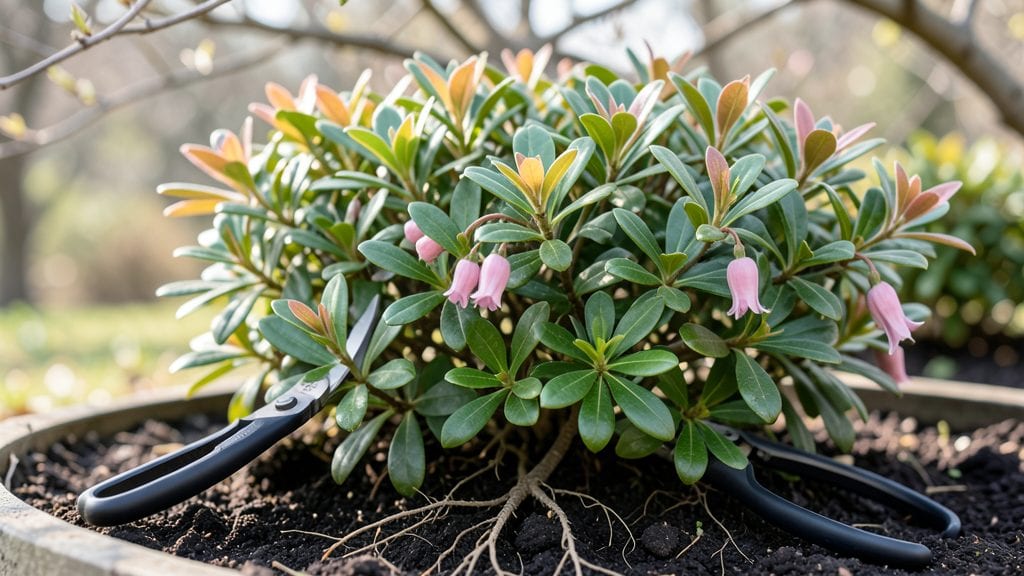
Pruning your Pieris plant 🌿 keeps it blooming beautifully and prevents it from looking like a tangled mess.
Pieris plants—with their stunning cascades of white or pink flowers—can become unruly without proper pruning, but mastering the art of shaping them year-round ensures vibrant blooms and a tidy appearance. Whether you're a seasoned gardener or a beginner, these pruning secrets will transform your Pieris into a showstopper.
Most people wait until spring to prune, but the best time is actually right after flowering, when you can shape the plant without cutting off next year’s buds.
I’ll walk you through the exact steps, from when to trim to how to avoid common mistakes that leave your Pieris looking sad.
By the end, your Pieris will be healthier, fuller, and ready to steal the show in your garden every spring. Let’s get started!

When and how to prune Pieris for optimal flowering
Pieris plants thrive with the right pruning approach, but timing matters more than you might think. These evergreen shrubs bloom on old wood, meaning last year's growth produces this year's flowers.
If you prune too late or too aggressively, you risk sacrificing those stunning white or pink blossoms. The key is a seasonal schedule that balances shape, health, and flowering potential.
Start by understanding your Pieris' growth cycle. Most varieties bloom in early spring (March-April), so your pruning should work around this timeline. The goal is to remove dead or diseased branches while encouraging new growth without cutting back flower buds.
Let's break down the best practices for each season to keep your Pieris looking its best year-round.
| Season | Pruning Task | When to Do It | Why It Matters |
|---|---|---|---|
| Spring (March-April) | Light shaping after blooms fade | Right after flowering | Encourages new growth without cutting flower buds |
| Summer (June-August) | Remove dead/diseased branches | Throughout growing season | Maintains plant health and air circulation |
| Late Summer (September) | Minimal trimming for shape | Early September | Prepares plant for winter dormancy |
| Winter (October-February) | No pruning (dormant season) | Avoid winter pruning | Prevents frost damage to fresh cuts |
| Early Spring (March) | Remove crossing branches | Before bud break | Improves airflow and plant structure |
Spring pruning is your most critical window. After the flowering season ends (typically April), give your Pieris a light haircut to shape it while preserving next year's blooms. Focus on removing spent flower clusters and any branches that are rubbing together, which can cause wounds.
Use clean, sharp pruning shears and cut just above a leaf bud at a 45-degree angle to encourage new growth.
During summer, your Pieris will show you what needs attention. Keep an eye out for dead or diseased branches—these should be removed immediately to prevent spread. You can also do light shaping pruning to maintain the desired form, but avoid heavy cuts that could reduce next year's flowers.
Summer is also the time to thin out dense areas to improve air circulation and reduce pest risks.
Fall pruning should be minimal. By late September, your Pieris is preparing for winter dormancy, and heavy cuts could stimulate new growth that won't harden off before frost. Instead, focus on removing any weak or damaged branches and tidying up the overall shape.
Avoid pruning in October or later, as fresh cuts won't heal properly before winter sets in.
Winter is the only time you should avoid pruning entirely. Pieris plants are evergreen, and cutting into the wood during cold months can expose the plant to frost damage and disease.
Instead, use this time to observe your plant's structure and plan your spring pruning strategy. If you notice any dead branches in winter, mark them for removal in early spring.
One common mistake is pruning too late in spring, which can remove next year's flower buds. Always wait until after the flowering season has completely finished. Another pitfall is over-pruning, which can leave your Pieris looking bare and stressed.
Remember, these shrubs bloom on old wood, so less is often more when it comes to cutting back.
For young Pieris plants (under 3 years old), focus on establishing a strong structure. Remove any competing central leaders to encourage a bushier shape. Mature plants (over 5 years) can handle slightly more aggressive shaping, but always prioritize flower bud preservation.
With the right seasonal approach, your Pieris will reward you with vibrant blooms year after year.
Pro tip: Use a 10x magnification lens to inspect branches for hidden pests or diseases before pruning. Healthy growth starts with clean cuts and a watchful eye. Happy pruning!
Step-by-step Pieris pruning techniques for different growth stages
Pruning your Pieris plant correctly depends entirely on its growth stage. Young plants need gentle shaping to establish structure, while mature shrubs require strategic cuts to maintain flowering potential and airflow.
The key is balancing rejuvenation with preservation—never prune more than one-third of the plant at once, or you risk stunting future blooms. I’ve pruned my own Pieris japonica for years, and this method keeps them lush without sacrificing those iconic spring flowers.
Timing matters just as much as technique. For young Pieris (under 3 years old), focus on light shaping in late winter or early spring before new growth begins.
Mature plants, on the other hand, benefit from a two-step pruning approach: a light trim after flowering to tidy up, followed by a rejuvenation cut in late summer to encourage fresh wood. This dual strategy ensures your shrub stays compact and blooms abundantly year after year.
🌿 Young Pieris (Under 3 Years Old)
- Step 1: Remove dead or crossing branches first—these compete for nutrients and weaken the plant.
- Step 2: Trim tips of leggy stems by 1/3 to encourage bushier growth and a fuller shape.
- Step 3: Use clean, sharp pruners to make cuts just above a leaf node or outward-facing bud.
- Step 4: Avoid heavy pruning—focus on shaping, not rejuvenation—to prevent stress on young roots.
🌳 Mature Pieris (3+ Years Old)
- Step 1: After flowering, trim spent blooms and tidy up ragged branches to maintain a neat appearance.
- Step 2: In late summer, remove older, woody stems at the base to stimulate new growth from the center.
- Step 3: Thin out dense interior branches to improve air circulation and reduce disease risk.
- Step 4: Never prune more than 1/3 of the plant in one season—this can delay flowering or stress the shrub.
One of my biggest mistakes early on was over-pruning mature Pieris in winter. I thought it would encourage faster growth, but it actually delayed blooming by a full season. Now, I wait until late summer to do any heavy cuts—this gives the plant time to harden off before winter.
If you’re unsure about a cut, err on the side of caution and leave it for next year’s pruning session.
For shaping, I recommend using a hand pruner for small branches and loppers for thicker stems. Always sterilize your tools with rubbing alcohol between cuts to prevent bacterial spread. Pieris plants are susceptible to fire blight, so keeping tools clean is non-negotiable.
I also like to water deeply after pruning to help the plant recover faster—think of it as a post-surgery recovery drink for your shrub.
If your Pieris looks woody and sparse at the center, it’s time for a rejuvenation prune. This involves cutting back older stems by half their height in stages over 2-3 years. Start with the oldest stems first, then work your way inward.
This method tricks the plant into producing fresh, flowering wood from the base. Patience is key—don’t rush this process, or you’ll end up with a bare shrub for a season or two.
Finally, mulch around the base after pruning to retain moisture and regulate soil temperature. I use a 2-3 inch layer of organic mulch like pine bark or shredded leaves. This helps protect the roots from temperature swings and keeps weeds at bay.
With consistent pruning and care, your Pieris will reward you with vibrant blooms and a neat, manicured look for decades.