Watering
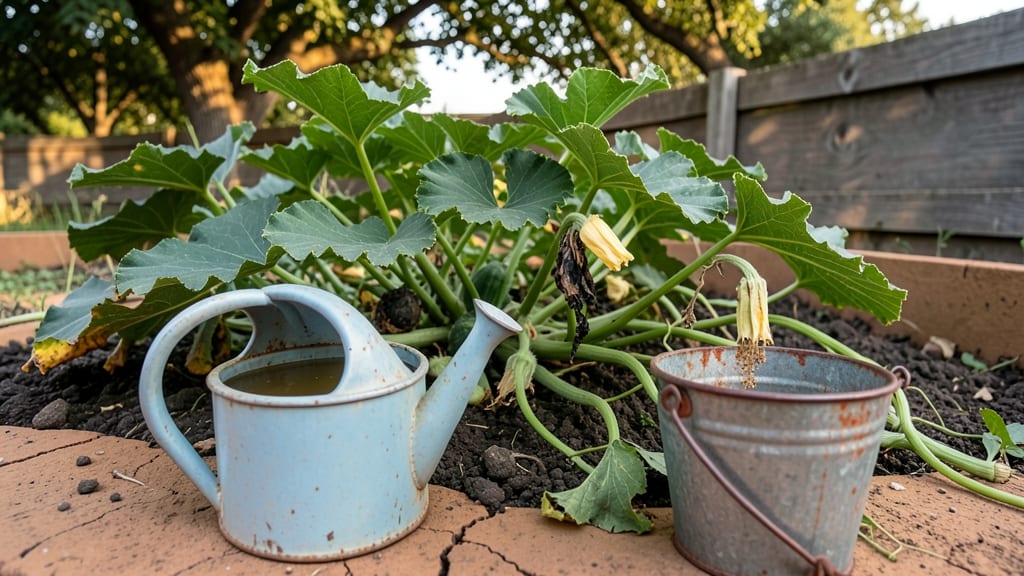
Overwatering squash plants turns your garden into a swamp, and those sad, yellowing leaves are a dead giveaway. I’ve watched my own squash vines go from thriving to drowning in just a few days—until I learned the three simple fixes that bring them back.
The key isn’t just cutting back on water; it’s about giving roots room to breathe and stopping fungal infections before they take over.
Most people overwater because they think squash plants need constant moisture, but these heavy feeders actually prefer deep, infrequent drinks. Start by checking the soil—if it’s soggy two inches down, you’ve overdone it.
Then, improve drainage by mixing in compost or sand, and consider raised beds if your yard stays waterlogged. Even a slight slope helps excess water run off instead of pooling around roots.
Within a week of adjusting watering, you’ll see new growth pushing through. The leaves will perk up, and those telltale yellow patches will fade as the plant focuses energy on recovery.
Prune any mushy or blackened foliage to redirect nutrients, and avoid watering until the top inch of soil feels dry. It’s a slow turnaround, but worth it for that first crisp zucchini or sweet pumpkin.
Prevention is easier than cleanup: water in the morning so foliage dries by night, mulch to slow evaporation, and always check the soil before reaching for the hose. Squash plants are tough—they’ll bounce back if you act fast. Now let’s get those roots breathing again.
Why Too Much Water Stresses Squash
Squash plants may seem tough, but they’re actually delicate when it comes to moisture balance. Overwatering isn’t just about soggy soil—it’s a cascade of physiological and environmental stressors that can stifle growth, invite pests, and even kill your plants. Here’s why your squash might be drowning in its own care:
Squash thrives in well-draining soil, but heavy clay, compacted loam, or amended soil with too much organic matter can act like a sponge, holding onto water long after the roots have had their fill. When soil stays saturated, oxygen levels plummet, suffocating roots and triggering:
- Root rot: Fungal pathogens like Phytophthora or Pythium thrive in waterlogged conditions, attacking root tissues and cutting off nutrient uptake. 💡 Pro tip: Test your soil’s drainage by digging a 6-inch hole, filling it with water, and timing how long it takes to drain. If it’s slower than 4 hours, amend with perlite or coarse sand.
- Anaerobic stress: Without oxygen, roots switch to inefficient fermentation for energy, weakening the plant and making it susceptible to wilting—even if the soil looks moist.
Squash plants are warm-season lovers, and cool temperatures slow their metabolic processes. When combined with overwatering:
- Cold soil delays evaporation: In temperatures below 60°F (15°C), water evaporates slowly, prolonging saturation. Roots in chilly soil also absorb less efficiently, leading to nutrient deficiencies (like potassium or magnesium) that mimic drought stress.
- Fungal blooms accelerate: Cool, damp conditions create the perfect petri dish for Botrytis (gray mold) or Alternaria, which can rot leaves and fruit. ✨ Watch for: Yellowing edges on leaves or a fuzzy gray growth—signs your plant is fighting an infection.
Squash plants hate inconsistency. A sudden deep watering after a dry spell can shock the roots, while frequent light waterings keep the topsoil damp without addressing deeper layers. This creates:
- Shallow root systems: When only the surface stays wet, roots grow horizontally to access moisture, leaving them vulnerable to wind or heat stress. 💡 Fix it: Water deeply (1–2 inches per week) but less frequently to encourage roots to grow downward.
- Salt buildup: Overwatering flushes minerals to the surface, where they crystallize. Excess salts disrupt the plant’s ability to absorb water, causing leaf scorch or stunted growth.
Overwatered squash isn’t just a problem for the plant—it’s an open invitation for unwanted guests. Excess moisture creates the ideal environment for:
- Slugs and snails: These pests thrive in humid, shaded conditions, feasting on young squash leaves and vines. Look for silvery slime trails or ragged holes in foliage.
- Powdery mildew: While it sounds like a dry-weather issue, fungal spores spread faster in damp air. Overwatering keeps humidity high, giving mildew a foothold. 🔥 Spot it: White, powdery patches on upper leaf surfaces.
- Root-knot nematodes: Microscopic worms in waterlogged soil burrow into roots, forming galls that block nutrient flow. Infected plants may wilt despite wet soil.
Understanding these triggers is the first step to correcting the damage. Next, we’ll tackle how to rescue your squash—without repeating the same mistakes.
Revive Your Squash Plants Fast
Now that you know the signs and causes of overwatering, it’s time to take action! The good news is that squash plants are resilient—with the right steps, you can nurse them back to health and even prevent future issues.
Below, we’ll break down practical fixes based on the most common causes of overwatering, along with prevention tips to keep your plants thriving.
Problem: Heavy, soggy soil suffocates roots, cutting off oxygen and nutrients.
How to Fix It:
- Stop Watering Immediately 🚰
- Let the soil dry out completely for at least 2–3 days. Check moisture by sticking your finger 1–2 inches deep—if it’s damp, wait longer.
- Loosen the Soil 🪴
- Gently fork or hand-dig around the base of the plant (avoid damaging roots) to improve drainage. Add coarse sand or perlite (1 part to 3 parts soil) to break up compaction.
- Raise the Plant (If Needed) 🏗️
- If the soil is chronically waterlogged (e.g., in a low-lying area), mound extra soil or use a raised bed to elevate the plant.
Prevention Tip: 💡 Test your soil’s drainage before planting. Fill a hole with water—if it drains in under an hour, you’re good. If not, amend the soil with compost or organic matter.
Problem: Overwatering leads to fungal root rot, which turns leaves yellow and mushy.
How to Fix It:
- Trim Damaged Roots ✂️
- Carefully remove the plant and prune any black, slimy, or soft roots with sterilized scissors. Healthy roots should be firm and white.
- Repot in Fresh Soil 🌿
- Plant in a well-draining potting mix (avoid garden soil if it’s heavy). If in the ground, replace the top 6 inches of soil with a 50/50 mix of compost and perlite.
- Adjust Watering Habits 💧
- Water only when the top 1–2 inches of soil are dry. Use a soaker hose or drip irrigation to deliver water directly to roots (not leaves).
Prevention Tip: 🌡️ Avoid watering at night—cool, damp conditions encourage fungal growth. Morning watering gives foliage time to dry.
Problem: Waterlogged roots can’t absorb oxygen, causing wilting even when soil is wet.
How to Fix It:
- Create Air Pockets 🌬️
- Mix vermiculite or coconut coir into the soil to improve aeration. This helps roots breathe while retaining moisture.
- Use Mulch (But Not Too Much!) 🍂
- Apply a 1–2 inch layer of straw or wood chips around the plant (keep it 2 inches away from the stem). Mulch slows evaporation but don’t smother the plant—leave space for airflow.
- Try the “Finger Test” 👆
- Before watering, check soil moisture at root level (2–3 inches deep). If it’s damp, hold off!
Prevention Tip: ✨ Plant squash in hills (mound soil around the base) to encourage root growth upward, away from soggy soil.
If your squash plant is completely limp, with black stems or no signs of life, try this last-resort method:
- Prune Back Dead Growth ⏰
- Cut away all mushy, blackened leaves and stems with clean shears. This reduces the plant’s energy drain.
- Soak in a Hydrogen Peroxide Bath 🧴 (Optional but effective)
- Mix 1 tablespoon of 3% hydrogen peroxide per gallon of water and let the roots soak for 10 minutes. This can kill harmful bacteria and stimulate regrowth.
- Move to a Sunnier Spot ☀️
- Place the plant in bright, indirect light (avoid harsh afternoon sun). A grow light can help if natural light is weak.
Prevention Tip: 🎯 Rotate crops—never plant squash (or other heavy feeders like cucumbers) in the same spot year after year. This prevents soil-borne diseases.
Once your squash plant recovers, maintain these habits to avoid overwatering again:
- Water deeply but infrequently—aim for 1–1.5 inches per week, including rainfall.
- Use a moisture meter 📊 for precision (especially in pots).
- Choose the right container—if growing in pots, ensure they have drainage holes and are at least 12 inches deep.
- Monitor weather—adjust watering during heavy rains or humidity spikes.
Final Thought: ⏳ Patience is key! Reviving an overwatered squash plant takes time, but with these steps, you’ll see new growth in 1–2 weeks. And once your plant bounces back, you’ll be rewarded with vibrant flowers and delicious squash—worth every drop of effort! 🎉
Frequently asked questions about soggy squash plants
Why do my squash leaves turn yellow when I water them?
Yellowing leaves are a classic sign of overwatering because soggy soil blocks oxygen, causing root suffocation. The plant can't absorb nutrients, so older leaves yellow first. Check soil moisture—if it's damp 2+ inches down, you're watering too much. Let the soil dry between waterings to revive your plant.
How often should I water squash plants to avoid drowning them?
Squash thrives on deep but infrequent watering—aim for 1-1.5 inches per week, including rain. Stick your finger 2 inches deep; if dry, water thoroughly until it drains from the bottom. Morning watering prevents fungal growth from overnight dampness.
Can I save a squash plant with black, mushy stems?
If stems are black and mushy, fungal root rot has likely set in. Cut away all damaged growth, repot in fresh well-draining soil, and soak roots in 1 tbsp hydrogen peroxide per gallon of water for 10 minutes. Move to bright light and reduce watering—new growth may appear in 1-2 weeks.
What's the best soil mix to prevent overwatering?
Use a 50/50 blend of compost and perlite/sand for ideal drainage. Avoid heavy clay soil—it holds water like a sponge. For containers, ensure pots have drainage holes and elevate them to prevent water pooling. Raised beds also work wonders for soggy garden spots.