Container Gardens
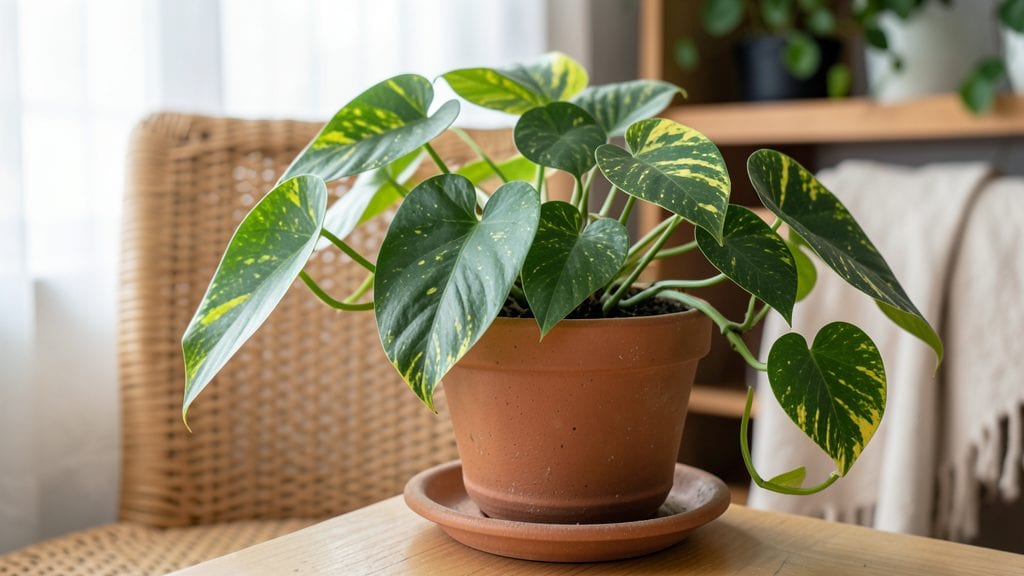
House plants containers can turn even the tiniest corner into a thriving green oasis—no matter how limited your space. I’ve filled my own 400-square-foot apartment with lush foliage using nothing but repurposed mugs, stacked terracotta pots, and a few well-placed hanging macramé holders.
The key isn’t expensive decor; it’s matching the right container to each plant’s needs while keeping things functional.
Start with size: small plants like succulents thrive in 3-5 inch pots, while trailing vines need 8-12 inch hanging containers to show off their growth. Materials matter too—terracotta wicks away moisture (great for moisture-sensitive plants), while ceramic keeps soil damp longer (ideal for tropicals).
For a budget-friendly twist, try DIY options like painted tin cans or woven baskets lined with moss.
Arrange containers vertically to save floor space—wall-mounted shelves, ladder-style planters, or even a pegboard with hooks for hanging pots. Pair fast-growing plants like pothos or string of pearls with taller, slower-growing varieties like snake plants to create dynamic layers.
The result? A living room that feels alive, not cluttered, with every inch working for you.
This approach works whether you’re in a studio apartment or a sprawling home with limited sunny spots. The same principles apply: choose containers that complement your decor while meeting your plants’ needs. Let’s get those green thumbs working in any space—no square footage off limits.
Poor Drainage Causes Root Rot
When your houseplants thrive in containers, one of the biggest threats to their health is poor drainage. Without proper drainage, excess water pools at the roots, cutting off oxygen and creating the perfect environment for root rot—a fungal infection that can kill plants quickly.
Let’s break down why this happens and how container design plays a role.
Most plant containers sold for houseplants come with drainage holes, but some decorative or stylish pots lack them. If you’re using a cachepot (a decorative outer pot) without a drainage hole in the inner container, water has nowhere to escape.
Even if the inner pot drains, the outer pot can trap moisture against the roots, especially if the soil stays soggy for days.
Why it’s a problem: Roots need oxygen to breathe. When submerged in water, they suffocate, weaken, and become susceptible to rot-causing fungi like Phytophthora or Pythium. Over time, the plant’s leaves may yellow, wilt, or drop off as the roots decay.
Actionable fix:
- Always use containers with drainage holes—or place the pot inside a cachepot with a saucer underneath to catch excess water.
- If repotting, choose containers made of terracotta, ceramic, or plastic with pre-drilled holes.
- For cachepots, ensure the inner pot sits slightly above the bottom of the outer pot to allow airflow.
Some potting mixes are dense or lack organic matter, which restricts water flow and air circulation. If the soil doesn’t have enough perlite, vermiculite, or bark chips, it compacts easily, trapping moisture like a sponge.
Container-grown plants are especially vulnerable because their root systems are confined to a small space, leaving no room for water to evaporate naturally.
Why it’s a problem: Compacted soil reduces aeration, meaning roots can’t access oxygen efficiently. Anaerobic conditions (low oxygen) encourage harmful bacteria and fungi to thrive. Additionally, waterlogged soil leaches nutrients faster, starving the plant even as it drowns.
Actionable fix:
- Use a high-quality well-draining potting mix formulated for houseplants (avoid garden soil—it compacts too much).
- Amend your mix with 20-30% perlite, pumice, or orchid bark to improve aeration.
- Gently fluff the soil after repotting to avoid compaction.
- For heavy soil, consider raised containers or fabric grow bags, which allow excess water to drain through the sides.
Containers dry out faster than garden beds, but some plant owners overcompensate by watering on a rigid schedule—even when the soil is still damp. Without proper recovery time, the roots never get a chance to dry out between waterings, leading to chronic sogginess.
Why it’s a problem: Most houseplants (like snake plants, pothos, or succulents) prefer the “soak-and-dry” method. Overwatering disrupts this cycle, causing roots to rot within 24-48 hours of prolonged saturation. Signs include mushy stems, foul-smelling soil, and leaves that feel limp even when the soil is wet.
Actionable fix:
- Check moisture with your finger: Stick it 1-2 inches deep—if it’s damp, wait.
- Use the “thumb press test”: Press your thumb into the soil; if water squirts out, it’s too wet.
- Water only when the top 50% of the soil feels dry (adjust for humidity levels).
- For thirsty plants (like ferns), use containers with larger drainage holes to speed up drying.
Containers can trap heat or cold, especially if placed near windows, radiators, or drafty spots. Extreme temperatures alter soil evaporation rates, leading to either over-saturation or under-drainage.
High humidity (common in bathrooms or kitchens) also slows soil drying, while dry air (like near AC vents) can cause soil to crust over, blocking drainage.
Why it’s a problem:
- Cold soil (below 60°F) slows microbial activity, preventing roots from breaking down excess water.
- Hot soil (above 85°F) speeds up evaporation but can also bake the roots if the container lacks insulation.
- High humidity reduces evaporation, keeping soil damp longer and promoting rot.
Actionable fix:
- Place containers in moderate-temperature zones (65-75°F) away from direct heat or cold drafts.
- Use self-watering containers with insulation (like coconut coir liners) to regulate moisture.
- In humid climates, opt for terracotta pots (they breathe better than plastic).
- For dry environments, mist the soil lightly or use a humidity tray with pebbles and water.
Pro tip: 🌡️ If you notice your plant’s leaves wilting even after watering, it’s often a sign of root rot—not thirst. Gently remove the plant from its container to check: healthy roots are firm and white; rotten roots are mushy and brown/black.
Fixing Common Container Issues
Containers for house plants are a game-changer for small spaces, but they come with their own set of challenges—like drainage woes, root-bound struggles, or pests sneaking in. The good news?
Most problems have simple, practical fixes. Below, we’ll tackle the most common container issues with step-by-step solutions and prevention tips to keep your green friends thriving.
Cause: Poor drainage leads to soggy soil, root rot, and unhappy plants. If your container lacks drainage holes or you’re using heavy, water-retentive soil, excess moisture becomes a nightmare.
How to Fix It: 🔥 Add Drainage Holes (If Missing)
- Use a power drill (with a small bit) to create holes in the bottom of plastic or ceramic containers. For decorative pots without holes, place them on elevated trays or saucers filled with pebbles to catch runoff.
- Pro Tip: 💡 Cover holes with landscape fabric or coffee filters to keep soil in while allowing water to escape.
🍳 Upgrade Your Soil Mix
- Replace heavy garden soil with a well-draining potting mix (look for blends labeled "for containers" or "cactus/succulent mix" for extra airflow).
- Amend clay-heavy soil with perlite, vermiculite, or orchid bark (10-20% of the mix) to improve drainage.
👨🍳 Repot with a Drainage Layer
- When repotting, add a 1-inch layer of gravel, hydroponic clay pebbles, or broken pottery at the bottom before adding soil. This creates a buffer zone for excess water.
Prevention Tips: ✔ Water wisely—stick your finger in the soil before watering. If the top 1-2 inches are dry, it’s time. ✔ Choose containers with built-in saucers or use self-watering pots to control moisture. ✔ Monitor plants like ferns, calatheas, or peace lilies—they’re drainage-sensitive divas!
Cause: Plants outgrow their pots, circling roots strangle themselves, and growth stalls. Signs include roots sprouting from drainage holes or soil drying out too fast.
How to Fix It: 🔪 Repot into a Larger Container
- Choose a pot 2-3 inches wider than the current one (bigger jumps can shock roots).
- Loosen roots gently with your fingers or a chopstick before transferring to fresh soil.
- Pro Tip: 🌡️ Spring or early fall is the best time to repot—avoid extreme heat or cold.
🥘 Refresh the Soil
- Remove 20-30% of old soil and mix in compost or worm castings for nutrients. Avoid compacting the soil too tightly.
- For epiphytes (like orchids), use chunky bark mix to prevent root suffocation.
⏰ Prune Damaged Roots
- If roots are black, mushy, or circling tightly, trim them with sterilized scissors before repotting.
Prevention Tips: ✔ Repot every 1-2 years (annually for fast growers like pothos or spider plants). ✔ Use self-watering or modular containers (like grow bags) to delay repotting. ✔ Choose containers with room to grow—opt for stackable or expandable designs for small spaces.
Cause: Tiny pests like fungus gnats, mealybugs, or spider mites hitch a ride on plants or lurk in damp soil. Overwatering and poor airflow make containers a buffet.
How to Fix It: 💡 Isolate and Inspect
- Quarantine the affected plant away from others to prevent spreading.
- Wipe leaves with a soapy water cloth (1 tsp mild dish soap + 1 quart water) to remove visible pests.
🔥 Treat with Natural Remedies
- Fungus gnats? Let the soil dry out between waterings and top-dress with sand or cinnamon to deter eggs.
- Mealybugs? Dab them with 70% isopropyl alcohol or spray with neem oil solution (1 tsp neem oil + 1 quart water).
- Spider mites? Blast them off with a strong water spray or use insecticidal soap.
🍳 Adjust Care Routine
- Reduce watering and improve airflow by spacing plants apart or using a small fan.
- Replace the top 1-2 inches of soil if pests are deep-rooted.
Prevention Tips: ✔ Quarantine new plants for 2-4 weeks before introducing them to your collection. ✔ Use beneficial insects like lacewings or ladybugs for long-term pest control. ✔ Keep containers clean—wipe down pots and saucers regularly with vinegar water (1:1 ratio).
- No drainage holes? Use hanging planters or wall-mounted pots to let excess water drip away naturally.
- Limited sunlight? Opt for reflective containers (like glossy ceramic) to maximize light exposure.
- Space constraints? Try vertical planters or stackable pots to grow more in less room.
With these fixes, your house plants will thrive in their containers—no drama, just lush greenery! 🌿✨
Frequently asked questions
What’s the best material for house plant containers?
Terracotta is ideal for moisture-sensitive plants like succulents—it breathes and prevents overwatering. Ceramic keeps soil damp longer, perfect for tropicals like ferns. For humidity control, plastic traps moisture (great for humid climates), while woven baskets (lined with moss) add rustic charm while allowing airflow. Always prioritize drainage compatibility!
How do I choose the right size container for my plant?
Start with a pot 1-2 inches wider than the root ball for most plants. For trailing vines (like pothos), opt for 8-12 inch hanging containers to accommodate growth. Small plants (succulents, air plants) thrive in 3-5 inch pots, while large plants (monstera, fiddle-leaf fig) need 12+ inch containers. Overpotting causes soil to stay wet too long—stick to the "goldilocks" rule!
Can I reuse non-plant containers (like mugs or cans) for houseplants?
Clean, food-safe containers work great—just ensure they have drainage. Drill holes in the bottom of plastic cups or tin cans, then line them with landscape fabric. For decorative mugs, place them on saucers with pebbles to catch excess water. Avoid glass without drainage (it traps moisture) and metal that can heat up too quickly.
How often should I repot my houseplants in containers?
Repot every 1-2 years or when roots circle the pot’s bottom. Fast growers (like spider plants) need annual repotting, while slow growers (snake plants) can stay 2-3 years. Spring or early fall is best—avoid winter (stressful for plants) or summer (heat shock). Choose a pot just 2-3 inches wider to avoid overpotting, which causes soggy soil.
What’s the deal with cachepots—do they harm my plants?
Cachepots (decorative outer pots) are safe if the inner pot has drainage! The key is airflow—never nestle the inner pot directly against the cachepot’s bottom. Elevate it with pebbles or a stand to prevent trapped moisture. For extra safety, use self-watering cachepots with built-in saucers to monitor drainage.