How To
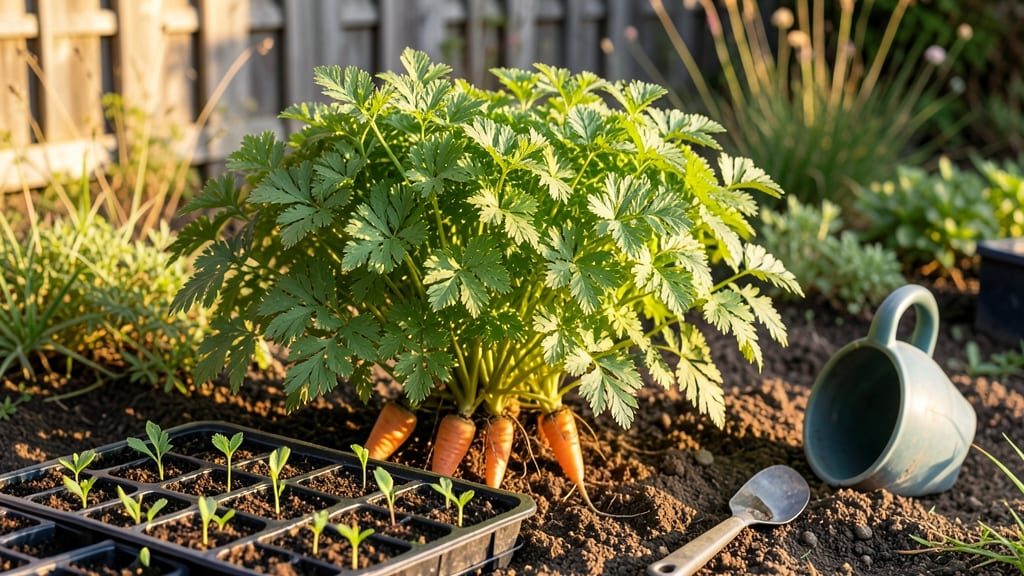
A carrot planting calendar 🥕 is your secret weapon for crisp, sweet roots all season—no more guessing when to sow or risking frost-nipped seedlings.
Timing is everything when growing carrots—plant too early, and frost ruins your crop; too late, and you’ll miss the sweetest harvest. This month-by-month guide ensures you get perfect timing for your USDA Zone 6a garden (or adjust for your climate).
Whether you’re aiming for spring harvests in June or fall storage carrots by November, the right schedule makes all the difference. I’ll walk you through the best months to plant, soil prep tricks to avoid forking, and how to stretch your growing season for two harvests a year.
Skip the trial-and-error: with this calendar, you’ll know exactly when to sow, thin, and harvest for flavorful, straight carrots every time.
Carrot planting calendar by month: when to sow seeds for best yields
Carrots thrive when planted at the right time—too early and frost stunts growth, too late and you’ll miss peak flavor. My month-by-month carrot planting calendar aligns with USDA hardiness zones 3-10, ensuring you maximize your harvest window.
For example, in Zone 5, spring plantings start in early April, while Zone 9 gardeners can sow year-round with minimal frost risk. The key is matching soil temperatures (50-85°F) and frost-free days to your region.
Most gardeners focus on spring and fall plantings for optimal yields. Spring carrots need 70-90 days to mature, while fall varieties benefit from cooler temps that prevent bolting. In warmer zones (7-10), you can even plant winter carrots that store well in cold soil.
Always check your last frost date—planting 2-3 weeks before ensures seedlings emerge before chilly nights set in.
Pro Tip: Use a planting calendar app or local extension service to confirm your zone’s exact frost dates. For instance, Zone 3 gardeners should wait until mid-May for spring plantings, while Zone 10 can sow in January for early harvests. Timing isn’t just about months—it’s about soil warmth and daylight hours.
Here’s my summary-table breaking down planting windows by zone, including ideal soil temps and frost guidelines:
For Zone 5-6 gardeners, my favorite strategy is succession planting—sow seeds every 2-3 weeks from April to July for a continuous harvest. This works because carrots mature in 60-80 days, so staggered plantings keep your kitchen stocked.
In warmer zones (7-10), I recommend fall plantings in June for winter harvests—these carrots develop sweeter flavors in cooler weather.
One common mistake is planting too deeply or closely, which causes forked or stunted carrots. Always sow seeds ¼ inch deep and thin seedlings to 2-3 inches apart.
In sandy soil, add compost to improve moisture retention, while clay soil benefits from sand amendments to prevent compaction. Test your soil’s pH (6.0-7.0 ideal)—carrots struggle in acidic or alkaline conditions.
If you’re in a short-season zone (3-4), opt for fast-maturing varieties like 'Paris Market' (50 days) or 'Little Finger' (60 days). These handle cooler temps better than long-season types.
For longer growing seasons (7-10), try 'Danvers' or 'Chantenay'—they store well and resist cracking. Always check seed packets for days to maturity and adjust your planting schedule accordingly.
In summer months (June-August), focus on shade cloth if temps exceed 85°F—carrots bolt (flower prematurely) in heat. Mulch with straw or grass clippings to keep soil cool and moist.
For fall plantings, aim to harvest before hard frost—even cold-hardy varieties like 'Purple Haze' lose quality if frozen. In Zone 9-10, you can plant winter carrots in October for harvests in December-January.
My final tip: Mark your calendar with harvest dates, not planting dates. Carrots take 70-90 days to mature, so work backward from your first frost.
For example, if frost hits October 30 in Zone 5, plant your last fall batch by July 15 to ensure a harvest before cold sets in. With this calendar, you’ll enjoy crisp, sweet carrots from spring through winter—no matter your zone!
Soil preparation and carrot seed planting tips for success
Great carrots start with the right soil preparation. Carrots are finicky about their growing conditions—rocky soil or compacted earth will cause forked roots, while loose, fertile soil produces those perfect straight, tender roots we all crave.
The key is to create an environment where roots can grow deep and unobstructed.
Before planting, test your soil pH—carrots thrive in neutral to slightly acidic soil (pH 6.0–7.0).
If your soil is too alkaline, amend it with peat moss or compost to lower the pH. Remove any rocks, debris, or clumps from the planting area, as these will disrupt root growth and lead to misshapen carrots.
⚠️ Carrot Planting Calendar Warning
Timing matters! Planting too early in cold soil (below 50°F) slows germination, while planting too late risks bolting before harvest. Use this month-by-month guide for your zone:
- Zones 3-5: Start seeds indoors 6-8 weeks before last frost; transplant after soil warms to 55°F+.
- Zones 6-8: Direct-sow 2-3 weeks before last frost (typically March-April) and again in July-August for fall harvest.
- Zones 9-10: Plant fall/winter (Sept-Nov) for cool-season growth; avoid summer heat.
Pro Tip: Cover seeds with row fabric if night temps dip below 40°F to protect young sprouts.
Once your soil is prepped, it’s time to plant carrot seeds. Unlike many vegetables, carrot seeds are tiny and slow to germinate—don’t be surprised if it takes 2-3 weeks to see sprouts.
Plant seeds 1/4 inch deep in rows spaced 12-15 inches apart. For even spacing, mix seeds with sand before sowing or use a seed tape for precision.
Thinning is a critical step most gardeners overlook. Once seedlings reach 2 inches tall, thin them to stand 2-3 inches apart for standard varieties or 1-2 inches apart for smaller types like 'Paris Market'.
Use sharp scissors to avoid disturbing roots, and harvest the thinned seedlings as baby carrots for salads!
After thinning, keep the soil consistently moist—never soggy—to prevent cracked or woody roots. Mulch with straw or grass clippings to retain moisture and suppress weeds, which compete for nutrients. Avoid heavy nitrogen-rich fertilizers, as they encourage leafy growth at the expense of root development.
With the right soil prep and planting techniques, you’ll be rewarded with straight, sweet carrots all season long. And remember: patience is key—carrots take time to grow, but the effort is worth it for that first crisp bite from your garden! 🥕