Diseases
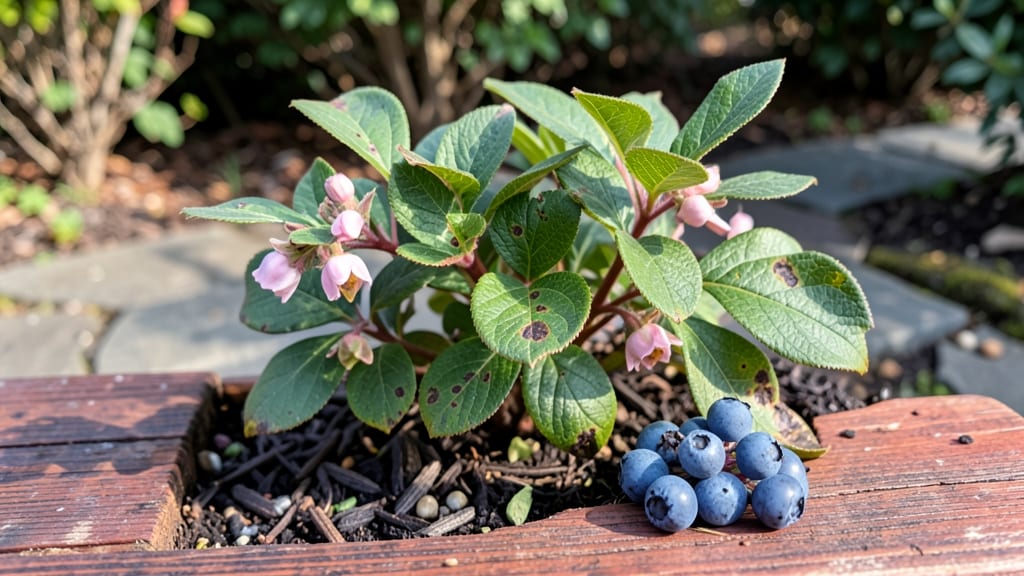
Blueberry plant diseases pictures reveal the hidden battles your bushes fight before you even notice. I’ve seen my own plants turn from vibrant green to splotchy and sad—until I learned to spot these early warnings. The key is catching problems fast, before they spread like wildfire through your entire patch.
Most fungal threats start with tiny specks on leaves or stems—think powdery white dust, dark brown spots, or weird orange fuzz. These aren’t just cosmetic; they steal nutrients and block sunlight, leaving your bushes weak and fruitless.
The good news? A few simple checks (like inspecting leaves or checking for moldy berries) can save your harvest before the season’s over.
Once you recognize the patterns, fixing them is straightforward: prune infected branches, apply the right fungicide, and adjust watering habits. My bushes now stay healthy through summer because I act at the first sign of trouble.
You’ll learn exactly what to look for and how to stop it before it takes root.
This guide covers the most common diseases, with clear descriptions that match real-life symptoms. Whether you’re dealing with mold, blight, or mildew, you’ll know exactly what’s wrong—and how to fix it—before your blueberries suffer. Let’s get your bushes back to their best.
Root Causes Behind Blueberry Ailments
Blueberry bushes may seem resilient, but they’re vulnerable to a variety of diseases—often due to environmental stress, poor cultural practices, or microbial invaders. Understanding the why behind these issues is the first step to prevention.
Below, we break down the key factors that turn your thriving blueberry plants into disease magnets.
🍄 The silent invaders
Blueberries are particularly susceptible to fungal diseases like botrytis blight, powdery mildew, and anthracnose because fungi thrive in moist, humid conditions. Here’s how it happens:
- Overhead Watering 💦 Fungal spores splash onto leaves and fruit when water droplets linger. Unlike direct irrigation (which wets roots), overhead sprinklers create the perfect breeding ground for pathogens.
- Poor Air Circulation ⛈️ Dense foliage or crowded plants trap humidity, slowing evaporation and allowing fungal spores to germinate. Fungi like Botrytis cinerea (botrytis blight) spread rapidly in these conditions.
- Warm, Wet Weather ☀️ + 🌧️ Temperatures between 60–80°F (15–27°C) with high humidity (70%+) accelerate fungal growth. Anthracnose, for example, flourishes in these conditions, causing dark lesions on leaves and fruit.
- Weakened Plant Defenses 🛡️❌ Stressed bushes (from drought, nutrient deficiencies, or transplant shock) have lower resistance to fungal attacks. A healthy plant’s cuticle acts as a barrier—compromised, it’s an open invitation.
🦠 The fast-acting troublemakers
Bacterial diseases like bacterial leaf scorch or canker often strike when wounds or sap-sucking pests create entry points. Key triggers include:
- Injured Plant Tissue ⚔️ Pruning cuts, hail damage, or insect bites (e.g., from Japanese beetles) provide gateway wounds for bacteria like Pseudomonas syringae. Always sterilize tools with 70% isopropyl alcohol to prevent cross-contamination.
- Excess Nitrogen Fertilizer 🌱💥 Over-fertilizing with nitrogen promotes lush, soft growth—but at the cost of structural weakness. Weak stems snap easily, and bacteria seize the opportunity to infect.
- Splashing Water or Wind 🌪️💧 Unlike fungi, bacteria often hitch rides on rain splashes or windborne droplets. They colonize leaves, clogging xylem vessels and disrupting water transport (leading to scorch symptoms).
🦠🔄 The invisible saboteurs
Viruses like blueberry shock virus (BlSV) or raspberry bushy dwarf virus are spread by insect vectors (e.g., aphids) or contaminated tools. They’re tricky because: - No Cure Exists – Once infected, a plant stays infected.
Prevention is critical. - Symptoms Appear Late – Stunted growth, yellowing, or poor fruit set may not show until 1–2 years post-infection. - Infected Propagation Material 🌱🚫 Using cuttings or nursery stock from infected plants spreads viruses silently. Always source from certified disease-free suppliers.
🌡️💨 When nature turns against your bushes
Blueberries are adapted to acidic, well-drained soils—but environmental mismatches trigger disease susceptibility:
- Poor Drainage 🚰💦 Waterlogged roots suffocate the plant, making it vulnerable to root rot (Phytophthora spp.). Amend soil with compost or sand to improve aeration.
- Extreme pH Levels 📉📈 Soil pH outside 4.5–5.5 stresses bushes, weakening their immune response. Test soil annually and adjust with elemental sulfur (to lower pH) or lime (to raise pH).
- Nutrient Imbalances 🍽️⚖️ Deficiencies in magnesium (Mg), calcium (Ca), or potassium (K) reduce disease resistance. Yellowing leaves (Mg deficiency) or weak stems (Ca deficiency) signal trouble.
🐜🐛 The uninvited helpers
Insects don’t just damage plants—they carry pathogens or create wounds that invite disease:
- Aphids & Scale Insects 🐞 These sap-suckers weaken plants and excrete honeydew, a sticky substrate for sooty mold (a secondary fungal infection).
- Japanese Beetles 🐞💥 Their feeding creates entry points for bacterial and fungal infections. Handpick adults or use neem oil as a deterrent.
- Birds & Wildlife 🦅🍇 Overripe or fallen fruit can harbor botrytis spores, which birds may spread to healthy bushes when perching.
👨🌾🚫 Mistakes that backfire
Even well-intentioned gardening can create disease hotspots:
- Ignoring Sanitation 🧼❌ Reusing contaminated pruners, mulch, or pots spreads pathogens. Sterilize tools between cuts and remove infected debris promptly.
- Overhead Irrigation at Night 🌙💦 Leaves stay wet overnight, ideal for fungal spores. Water in the morning to allow foliage to dry quickly.
- Planting in Shade 🌳🌑 Poor airflow from nearby trees or structures traps moisture, promoting mildew. Blueberries need 6–8 hours of sunlight daily.
Diseases in blueberry bushes rarely strike in isolation—they’re the result of a perfect storm of environmental conditions, poor practices, and microbial opportunists. By addressing moisture control, plant health, and sanitation, you can disrupt the cycle before it starts. 🚀
(Next: How to Identify Symptoms by Visual Clues)
Quick Fixes for Common Blueberry Ailments
When your blueberry bushes start showing signs of distress, acting fast can mean the difference between a thriving harvest and a sad, shriveled disappointment. 🌱💔 Below, we’ve broken down the most effective ways to tackle the most common blueberry plant diseases—plus some pro tips to keep your bushes healthy long-term.
🔥 Treat Powdery Mildew
Powdery mildew turns leaves into fuzzy white blankets, but you can banish it with these steps:
- 🍳 Spray with Baking Soda Solution Mix 1 teaspoon baking soda + 1 quart water + a few drops of dish soap (helps it stick). Spray both sides of leaves every 7–10 days until symptoms fade. Why it works: Baking soda raises leaf pH, making it inhospitable for fungi.
- 👨🍳 Prune & Improve Airflow Remove heavily infected leaves and thin out crowded branches. Space plants 3–4 feet apart to let air circulate.
- 🌡️ Boost Fungicide Power For stubborn cases, use neem oil (1 tbsp per gallon of water) or a copper fungicide (follow label rates). Apply in the evening to avoid burning leaves.
💡 Prevention Pro Tip: Plant resistant varieties like ‘Duke’ or ‘Bluecrop’ and avoid overhead watering.
🍅 Combat Botrytis Blight (Gray Mold)
This fuzzy gray menace thrives in damp conditions. Here’s how to outsmart it:
- ⏰ Remove Infected Fruit & Debris Pick off mummified berries and dead flowers immediately. Drop them in a sealed bag (not the compost!) to prevent spores from spreading.
- 🔪 Thin Canopies for Sunlight Botrytis loves shade and moisture. Prune to open up the bush so sunlight dries leaves faster.
- 🥘 Use a Preventative Spray Apply potassium bicarbonate (2–3 tbsp per gallon of water) every 2 weeks during rainy seasons. For organic growers, hydrogen peroxide (3%) works too—spray at 1:10 dilution.
🌡️ Prevention Hack: Space mulch 3 inches away from stems to reduce humidity near the base.
🐞 Stop Anthracnose Before It Spreads
This disease causes dark sunken spots on leaves and fruit. Act now:
- 🍳 Copper Spray Schedule Use a fixed copper fungicide (like Cupric Hydroxide) at the first sign of rain and repeat every 10–14 days. Timing is key: Start spraying in early spring before buds swell.
- 🌱 Soil Sterilization Anthracnose lurks in soil. Solarize the bed (cover with clear plastic for 4–6 weeks in summer) or apply composted manure to improve soil health and suppress spores.
- 🎯 Resistant Varieties Save the Day Switch to ‘Jersey’ or ‘Patriot’ blueberries, which are bred to resist anthracnose.
💡 Prevention Tip: Avoid wetting leaves—use drip irrigation instead of sprinklers.
🦟 Beat Bacterial Leaf Spot
Small, water-soaked spots? That’s bacterial leaf spot. No cure, but you can control it:
- 🔪 Prune & Destroy Infected Parts Cut out spotted leaves and stems and sterilize pruners with rubbing alcohol between cuts.
- 🥘 Sanitize Everything Disinfect tools, containers, and even your gloves with a 10% bleach solution (1 part bleach to 9 parts water).
- 🌡️ Soil & Water Management Test soil pH—bacterial leaf spot thrives in acidic soil (pH < 4.5). Aim for 4.5–5.5. Also, water at the base (never overhead).
✨ Last Resort: If the bush is heavily infected, dig it up and replace it with a new, disease-free plant.
Prevention is your best defense! Follow these easy habits to keep your blueberries happy and healthy:
- 💡 Mulch Right Use pine needles or wood chips (2–3 inches deep) to lower soil acidity naturally and deter fungal spores.
- 🌡️ Monitor Moisture Blueberries hate wet feet. Ensure well-draining soil and avoid overhead watering after dark.
- 🔄 Rotate Plant Locations If diseases persist, move bushes every 3–5 years to break the disease cycle.
- 🍎 Boost Plant Immunity Feed with balanced fertilizer (10-10-10) in early spring and acid-loving plant food in late summer. Epsom salt (1 tbsp/gallon)** can also help with magnesium deficiencies that stress plants.
With these practical fixes, your blueberry bushes will bounce back faster—and stay resilient against future threats. 🚀🌿 Remember: The key is early action and consistent care. Happy growing!
Frequently asked questions about blueberry plant diseases
What are the most common blueberry plant diseases I should watch for?
Look for powdery mildew (white fuzzy patches), botrytis blight (gray mold on fruit), anthracnose (dark sunken spots), and bacterial leaf spot (water-soaked lesions). These appear most often in warm, humid conditions or after heavy rain. Early identification is key to saving your harvest.
How can I tell if my blueberry leaves have powdery mildew?
Powdery mildew shows up as a white, powdery coating on leaf surfaces, often starting on the undersides. The affected leaves may yellow and curl over time. Check both sides of leaves and stems—if you see this fuzzy film, it’s mildew. Act fast with baking soda sprays or neem oil.
Can I save my blueberries if they already have gray mold (botrytis blight)?
You can stop further spread but may lose infected fruit. Remove all moldy berries immediately and dispose of them in sealed bags (not compost). Prune for better airflow and apply potassium bicarbonate spray. For next season, avoid overhead watering and thin canopies to reduce humidity. Prevention is easier than cleanup!
Why do some blueberry varieties seem more disease-resistant than others?
Breeders develop varieties like ‘Jersey’ or ‘Patriot’ with genetic resistance to common diseases. These bushes produce stronger natural defenses against fungi and bacteria. Always check variety descriptions when buying—resistant types require fewer chemical treatments and less maintenance. Start with disease-resistant stock for long-term success.
What’s the fastest way to sterilize pruning tools to prevent spreading disease?
Use 70% isopropyl alcohol or a 10% bleach solution (1 part bleach to 9 parts water). Wipe tools between cuts or soak for 30 seconds before moving to a new plant. For heavy-duty cleaning, boil tools in water for 10 minutes. This prevents cross-contamination between healthy and infected bushes. Sterilization saves your entire garden!