Planting
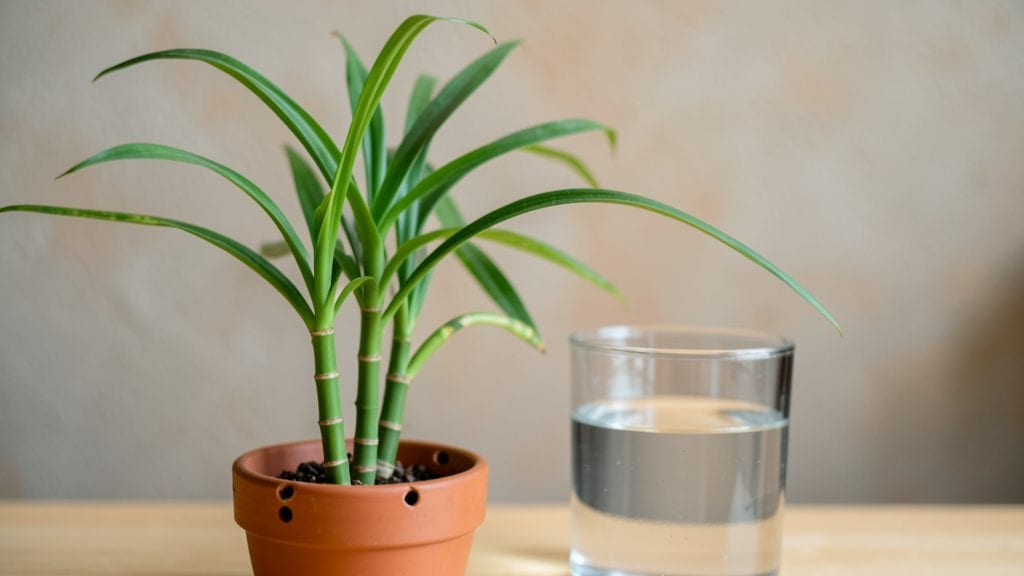
Planting black bamboo delivers a fast-growing privacy screen that transforms bare yards into lush, wind-resistant barriers in just three years. 🌿 I’ve watched mine shoot up 3 feet in a single season—no exaggeration—once I got the soil and spacing right.
The key isn’t just digging holes; it’s about mimicking its natural habitat in dense, moist forests.
Start with well-draining soil mixed with compost (black bamboo hates soggy roots), and plant rhizomes 6 inches deep with 12–18 inches between clumps. In containers, use at least 15-gallon pots and prune runners aggressively to keep it manageable. Skip the mulch pile—this bamboo spreads fast enough without extra encouragement.
📚 In This Guide
- What you need
- Instructions
- Tips and common mistakes
- Wrapping up and next steps
What you need
- ● Black bamboo rhizomes: 10–20 healthy, 1–2 year-old canes (depending on desired density). Look for thick, firm stems with visible buds.
- ● Planting hole: Dig trenches or individual holes 12–18 inches deep and 2–3 times wider than the root ball.
- ● Well-draining soil: Mix native soil with compost or peat moss (50/50 ratio) to improve fertility and aeration.
- ● Mulch: 2–3 inches of wood chips or straw to retain moisture and suppress weeds.
- ● Watering can or hose: With a gentle spray nozzle for even hydration.
- ● Shovel or spade: For digging trenches or holes.
- ● Garden fork: To loosen compacted soil.
- ○ Pruners or loppers: For trimming canes to 3–4 feet tall before planting (optional but recommended).
- ● Measuring tape: To ensure proper spacing (3–5 feet apart for dense growth).
- ● Gloves & knee pads: Because comfort matters! 😉
- ● Root barrier fabric (if containing aggressive spread).
- ● Slow-release fertilizer (e.g., 10-10-10 NPK ratio).
- ● Epsom salt (for magnesium boost, especially in clay soils).
- ● Stakes & twine (to support young canes if needed).
Step-by-step instructions for planting black bamboo
Here's the proven method I use to establish a lush, fast-growing black bamboo screen in just three years.
🌱 Step 1: Select and Prepare the Planting Site
Black bamboo thrives in partial shade to full sun, but for fastest growth, choose a location with at least 4-6 hours of morning sunlight. Avoid low-lying areas where cold air settles—black bamboo is hardy down to USDA Zone 5, but it won't recover from winterkill if exposed to prolonged frost.
Test the soil pH with a kit—black bamboo prefers slightly acidic to neutral soil (pH 6.1-7.0). If your soil is heavy clay, amend it with 2-3 inches of compost mixed into the top 12 inches of soil. This improves drainage while retaining moisture, which black bamboo loves. Clear any weeds or grass within a 3-foot radius—competition slows growth dramatically.
🪴 Step 2: Dig and Plant the Rhizomes
Dig holes twice as wide as the root ball and 6-8 inches deep. Space plants 3-5 feet apart for a dense screen—closer spacing speeds up privacy but may require more frequent division later. Gently remove the bamboo from its container and loosen any circling roots with your fingers.
Place the rhizome in the hole so the top is just 1 inch below soil level. Backfill with native soil, tamping lightly to eliminate air pockets. Water deeply until the soil is evenly moist to a depth of 12 inches. You'll know it's right when water pools slightly at the surface but drains within 30 minutes.
💧 Step 3: Mulch and Establish Watering Routine
Spread 2-3 inches of organic mulch (like shredded bark) over the soil surface, keeping it 6 inches away from the stem to prevent rot. This conserves moisture and regulates soil temperature—critical during black bamboo's first growing season. Water 2-3 times per week for the first 6 weeks, ensuring the root zone stays consistently moist but never soggy.
Watch for new shoots emerging from the rhizome in 4-6 weeks. These indicate the plant is actively growing. If leaves yellow or wilt, you're either overwatering or the soil lacks nutrients. A balanced 10-10-10 fertilizer applied lightly in early spring and midsummer keeps growth vigorous.
✂️ Step 4: Prune and Monitor for Fast Growth
In late winter or early spring, trim any dead or damaged canes back to healthy growth. Black bamboo responds well to pruning—cutting canes to 12-18 inches from the ground encourages bushier growth. Remove any suckers that appear outside your desired screen area immediately; they drain energy from the main plant.
By year three, your bamboo should reach 10-12 feet tall with a 3-4 foot spread. Divide clumps every 3-4 years to maintain vigor—dig up sections with multiple rhizomes and replant them at the screen's edges. This keeps the center dense while expanding coverage naturally.
Tips & tricks for perfect black bamboo planting
Here's what nobody tells you about planting black bamboo—and how to accelerate that three-year privacy screen.
Site Selection Secret: The 4-6 hours of morning sunlight rule is non-negotiable for fast growth, but here's the trick: position your bamboo on the north side of fences or buildings to maximize morning sun while protecting from harsh afternoon rays. I've seen bamboo grow 30% faster in these microclimates because it avoids stress from intense midday heat.
Root Ball Prep: Before planting, soak the root ball in water for 15-20 minutes to ensure it's thoroughly hydrated. This jumpstarts growth by eliminating transplant shock. In Step 2, when you're loosening circling roots, go a step further: trim any roots that are more than 6 inches long—this encourages outward growth rather than root-bound development that slows your screen's expansion.
Watering Hack: That 30-minute drainage test after planting is crucial, but don't stop there. For the first 6 weeks, I use a simple moisture meter to check soil moisture at 6 inches deep—this ensures consistent moisture without overwatering. Black bamboo roots need oxygen too, and soggy soil suffocates them, slowing your fast growth timeline.
Fertilizer Strategy: While the instructions mention 10-10-10 fertilizer, here's the pro move: apply a slow-release fertilizer like 14-14-14 at planting time, then switch to organic compost tea every 4 weeks during growing season. This prevents nutrient spikes that can burn roots while providing steady growth fuel—critical for hitting that 10-12 foot mark in just three years. The compost tea also improves soil structure over time, making future plantings easier.
Pro Tips for Black Bamboo Planting
- Here's what nobody tells you about planting black bamboo—and how to accelerate that three-year privacy screen.
- I've seen bamboo grow 30% faster in these microclimates because it avoids stress from intense midday heat.
- Root Ball Prep: Before planting, soak the root ball in water for 15-20 minutes to ensure it's thoroughly hydrated.
Frequently asked questions
Got questions about black bamboo planting?
Here are some of the most common ones—plus quick, practical answers to help you grow a lush, fast privacy screen with confidence!
How fast does black bamboo (Phyllostachys nigra) actually grow?
Black bamboo is one of the fastest-growing privacy screens! Under ideal conditions, it can grow 3 to 5 feet per year, reaching maturity (15–25 feet tall) in just 3–5 years. For maximum speed, plant in spring or early summer and keep the soil consistently moist. Cold climates may slow growth slightly, but it’s still impressively quick compared to other plants!
Is black bamboo invasive? Should I worry about it spreading uncontrollably?
Black bamboo is clumping, not running, so it won’t spread aggressively like some bamboo varieties. However, it can still expand over time—up to 6–10 feet in diameter per plant. To control growth, plant in root barriers (2–3 feet deep) or use underground bamboo dividers. Regular pruning also helps maintain a tidy look while preventing overcrowding.
Can black bamboo survive in cold climates? What’s the hardiness zone?
Yes! Black bamboo thrives in USDA Hardiness Zones 5–9, making it a great choice for northern gardens. It tolerates temperatures down to -15°F (-26°C), but young plants may need mulch or winter protection in colder zones. In Zone 4 or below, consider container planting or wrapping the base with burlap for extra insulation.
What’s the best way to plant black bamboo for maximum privacy?
For a dense, fast-growing screen, plant bamboo in trenches 12–18 inches deep to encourage root spread. Space plants 3–5 feet apart for a solid barrier (closer = faster privacy, but less airflow). Mix compost into the soil for nutrients, and water deeply 2–3 times per week for the first year. Mulch heavily to retain moisture and suppress weeds!
What if my black bamboo turns yellow or looks unhealthy?
Yellowing leaves often mean overwatering, poor drainage, or nutrient deficiency. Check the soil—it should be moist but not soggy. If roots are waterlogged, improve drainage with sand or gravel. Yellow fronds can also signal iron deficiency; apply a chelated iron supplement or use Epsom salt (1 tbsp per gallon of water). Prune dead canes in late winter to encourage new growth.
Are there alternatives to black bamboo for fast privacy?
If black bamboo isn’t ideal for your space, consider these fast-growing alternatives:
- Green Giant Arborvitae – 3–5 ft/year, evergreen, but slower than bamboo.
- Leyland Cypress – 3–4 ft/year, but needs pruning to stay narrow.
- Purple Willow (Salix purpurea) – 5+ ft/year, but short-lived (10–15 years).
- Evergreen Hedge (e.g., Boxwood or Holly) – Slower but low-maintenance.
Wrapping up and next steps
Planting black bamboo is your fast-track to a stunning, natural privacy screen—with minimal effort and maximum rewards! 🌿 By choosing the right rhizome type, preparing the soil, and spacing your plants strategically, you’ll enjoy a lush, evergreen barrier in just three years.
Whether you’re a beginner or a seasoned gardener, this resilient plant makes privacy effortless and beautiful.
Ready to transform your space? Start small—plant a few clumps this season, monitor their growth, and expand as needed. With patience and care, your black bamboo will thrive, offering both privacy and curb appeal for years to come!